Conference ·
Use of AI in MS prediction
How AI could support earlier diagnosis, phenotyping, prognosis and monitoring across the MS pathway.
ECTRIMS 2024 · Bella Center Copenhagen
- Delivered
- Event
- ECTRIMS 2024
- Place
- Bella Center Copenhagen
- Format
- Conference
- Published deck
- 13 slides
From the slides
Deck notes
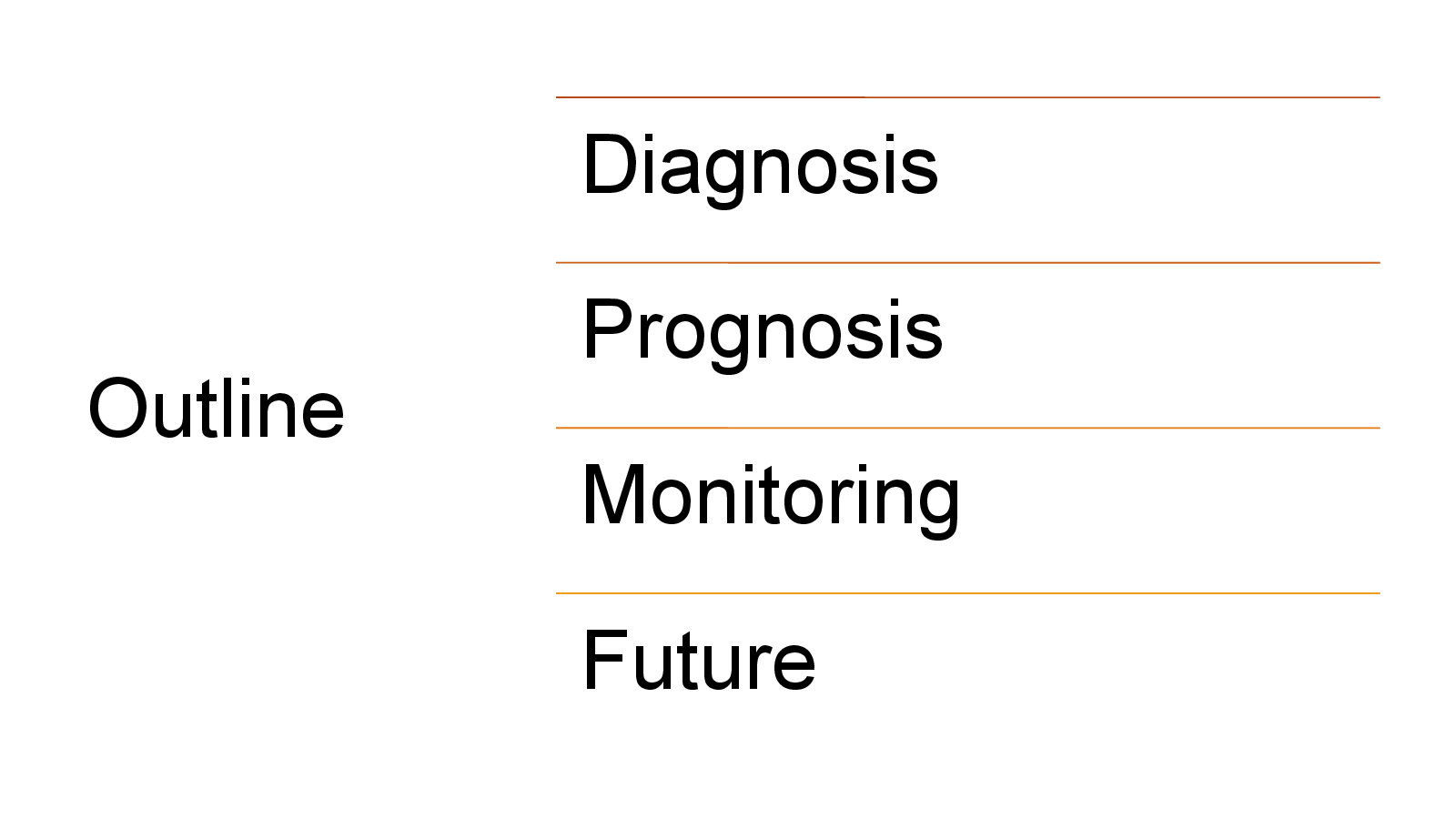
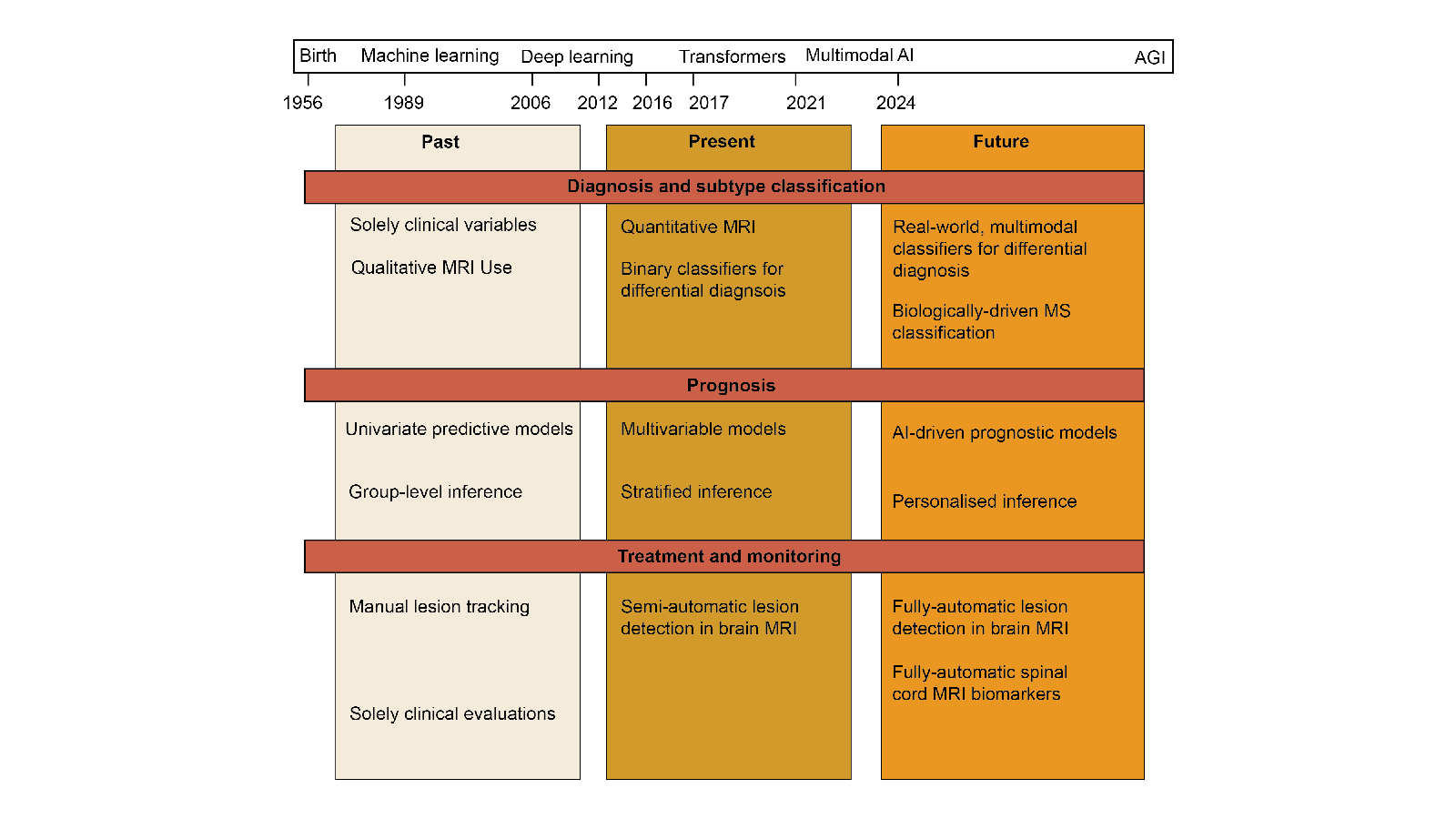
This talk organised AI prediction in multiple sclerosis around a sequence of clinical questions. It moved from early recognition and diagnosis to phenotyping, prognosis and monitoring.
The question
Where can AI-derived predictions add useful information across the MS pathway, rather than treating prediction as a single task?
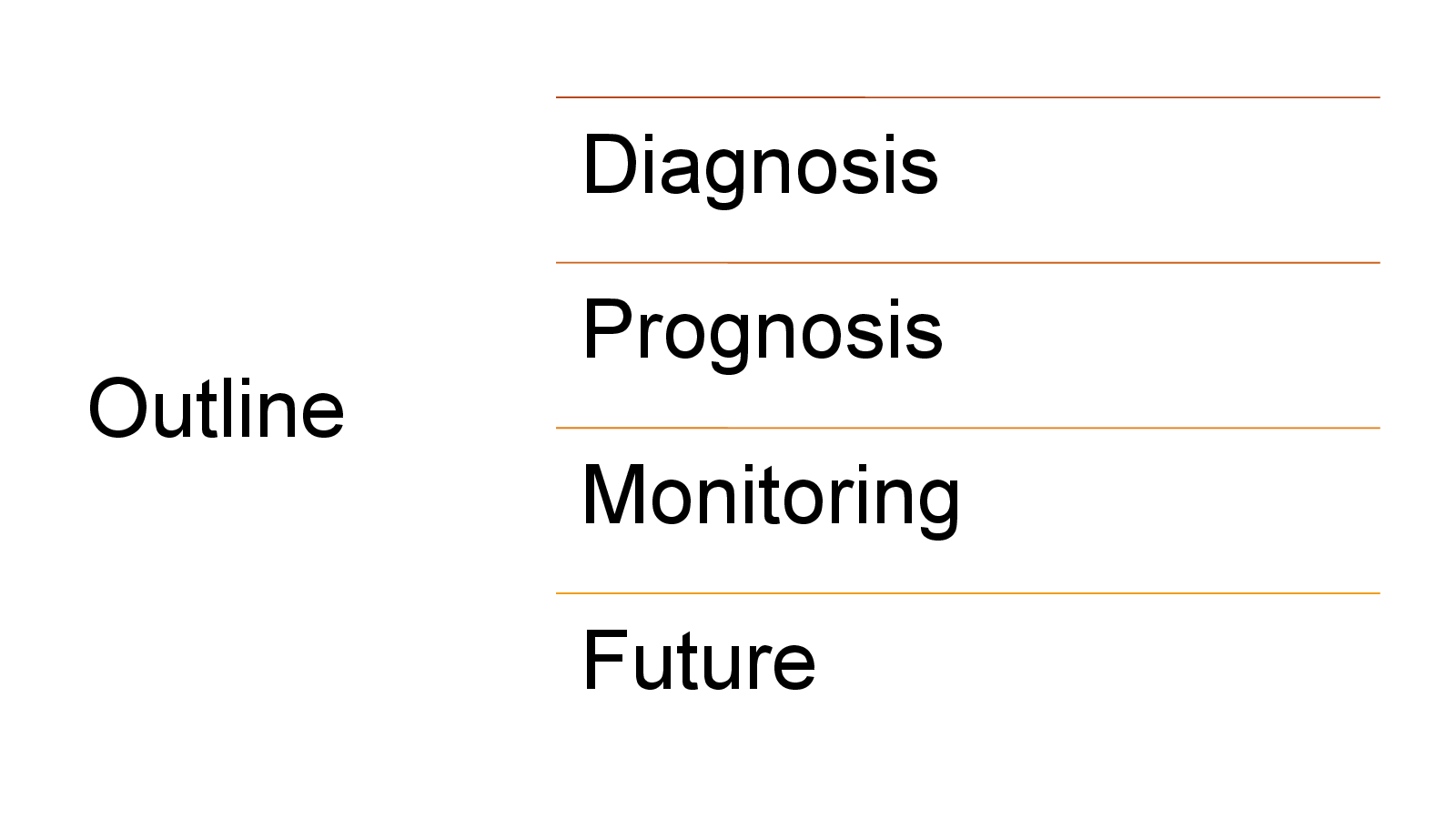
Deck outline
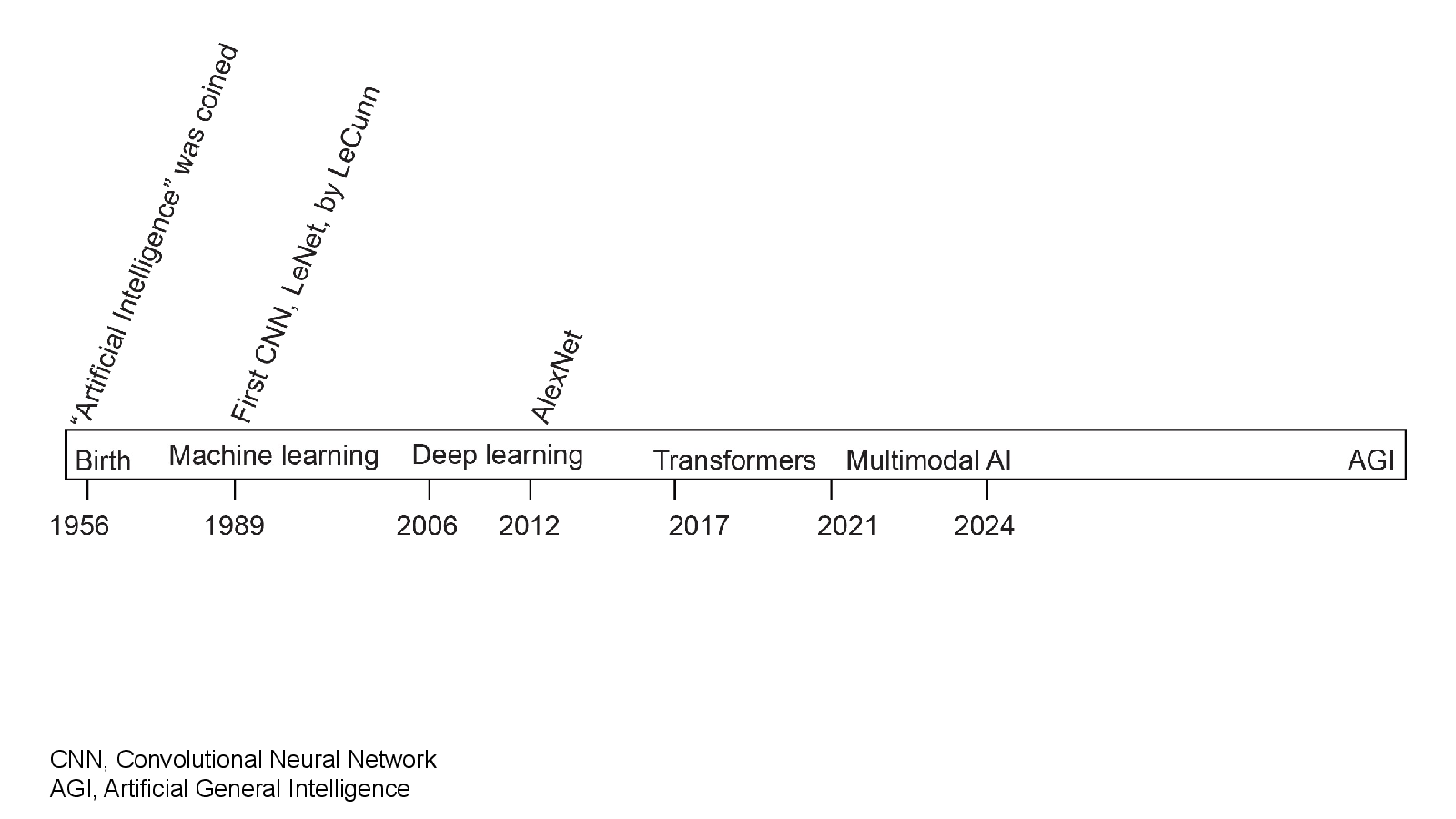
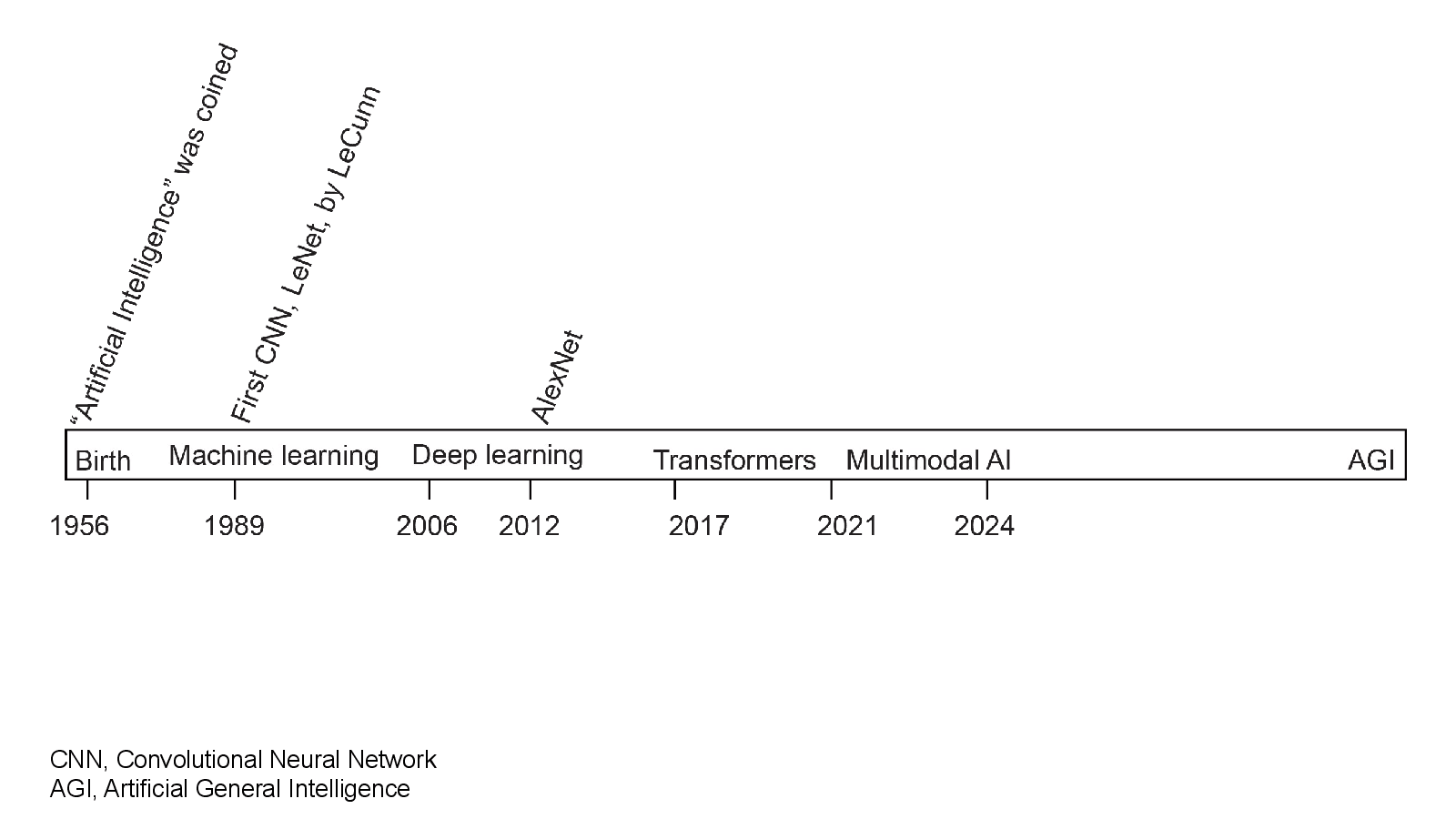
- The terminology used in contemporary AI systems
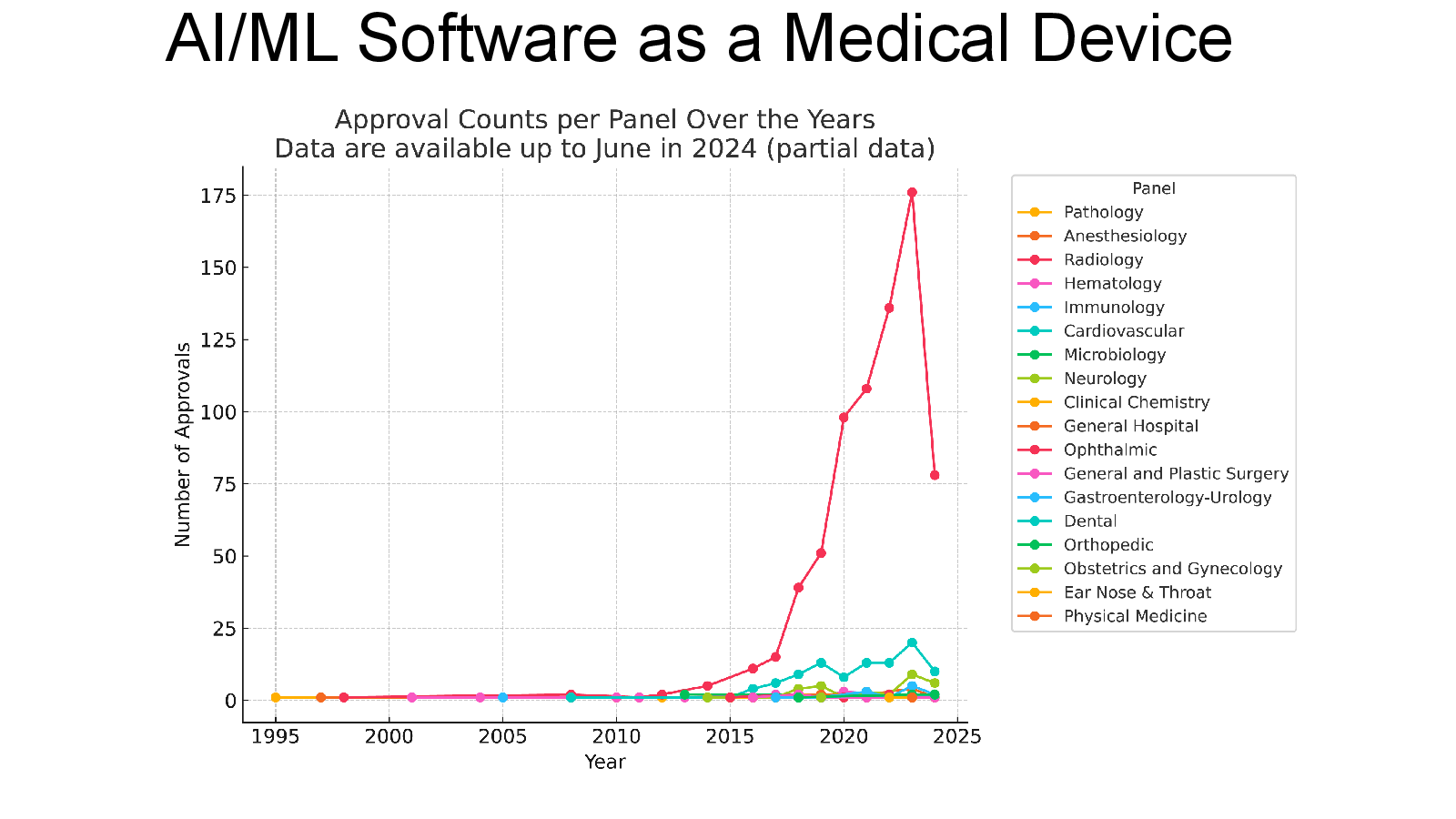
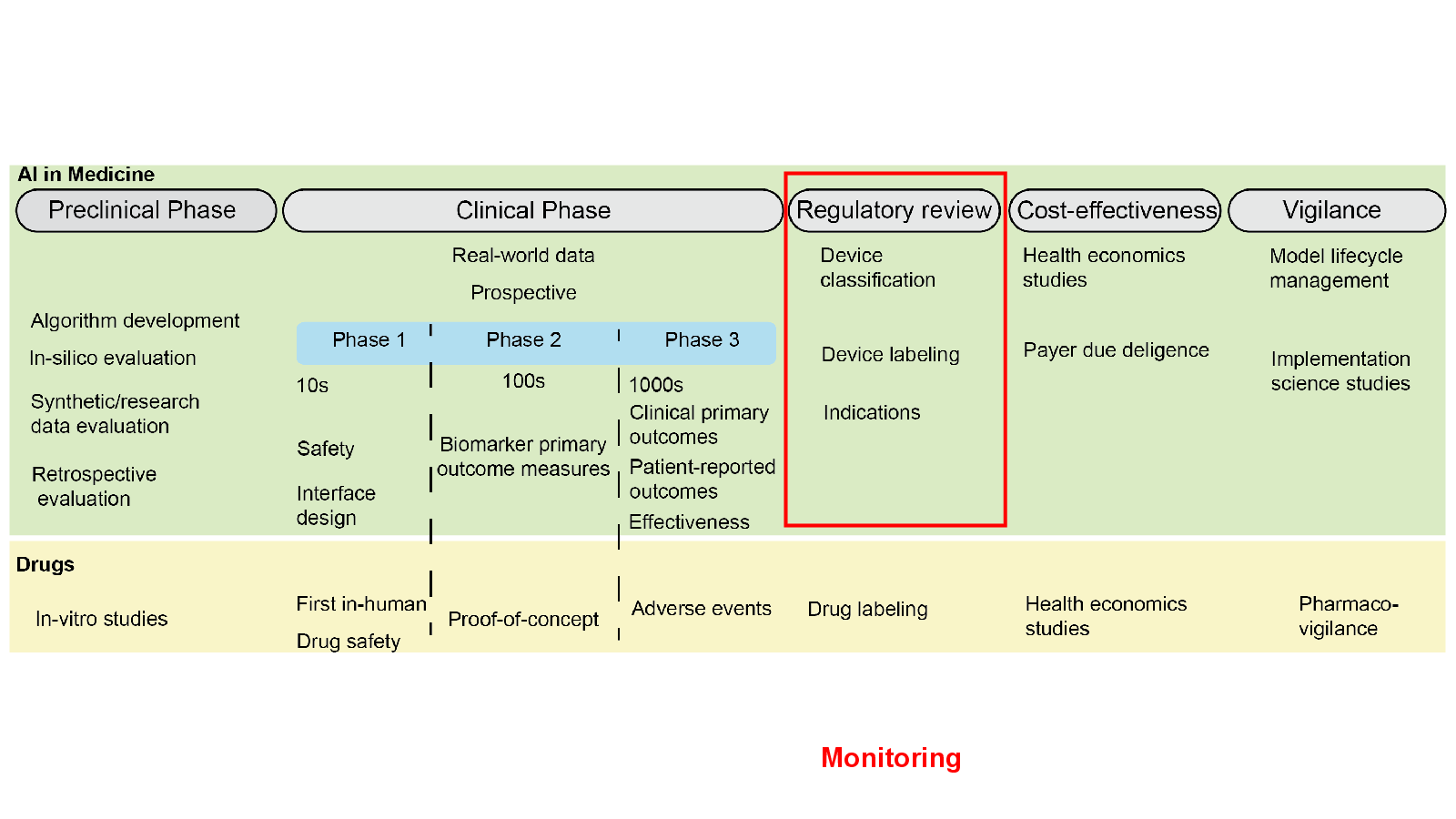
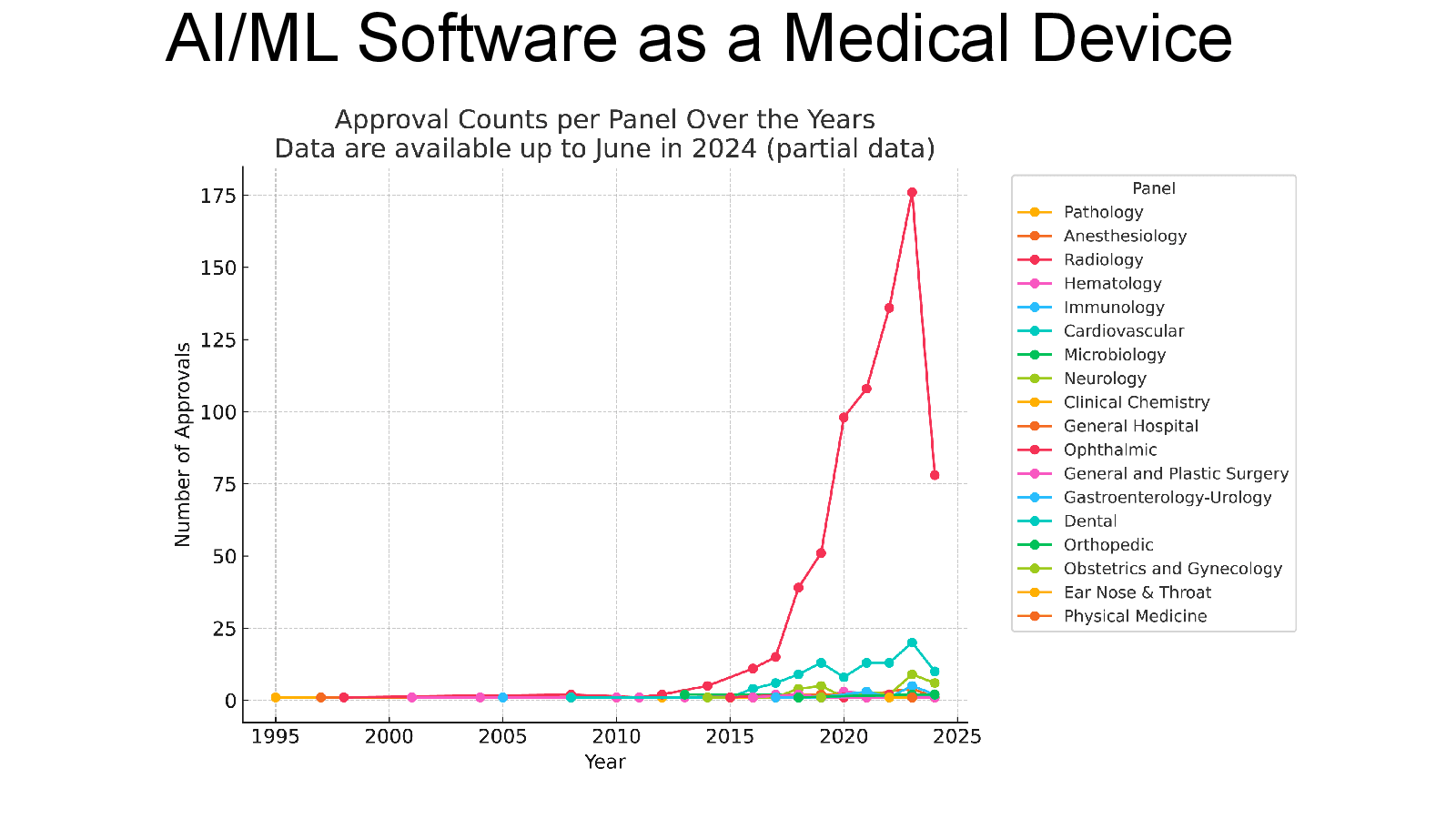
- The landscape of AI-based medical software
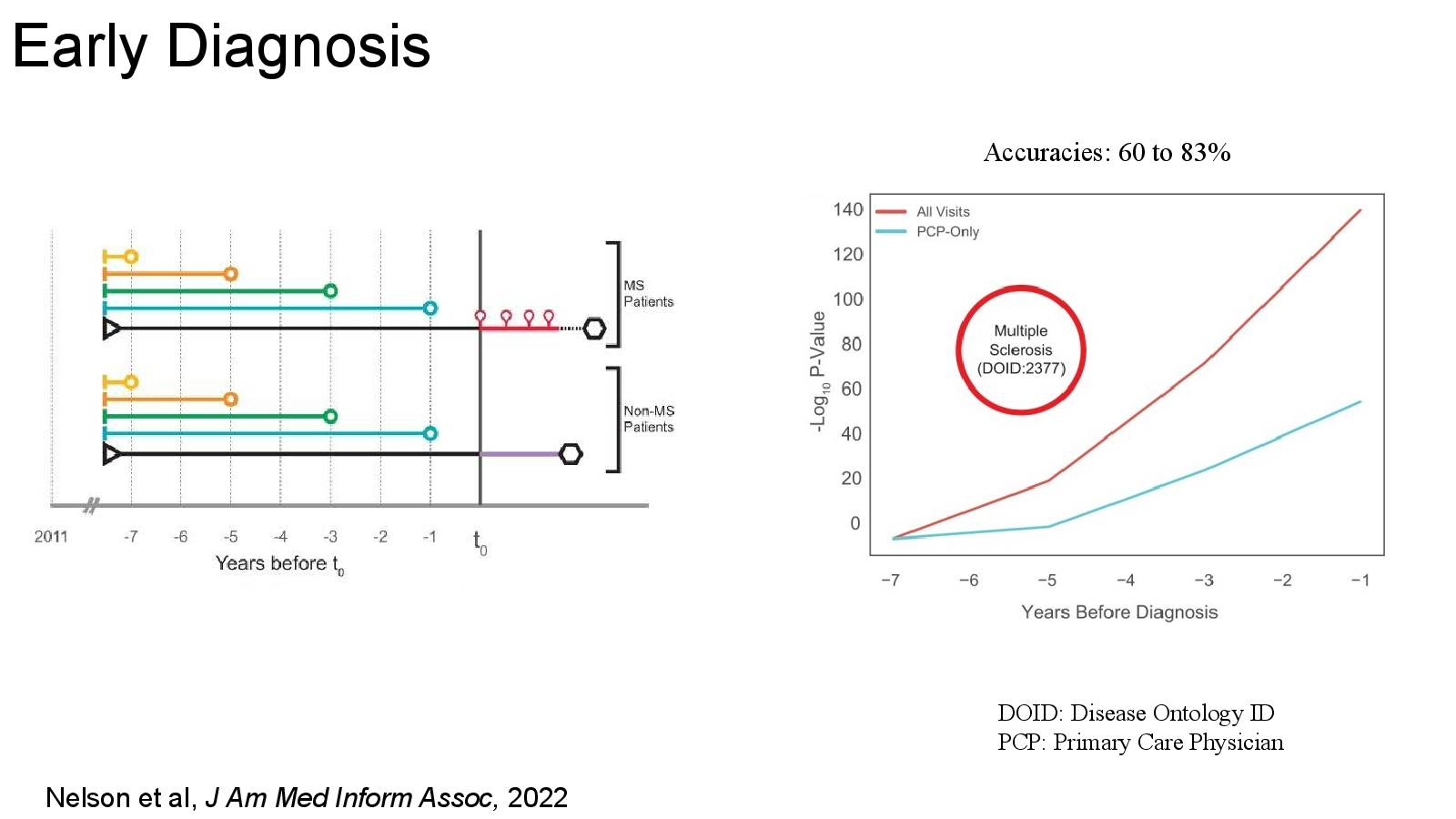
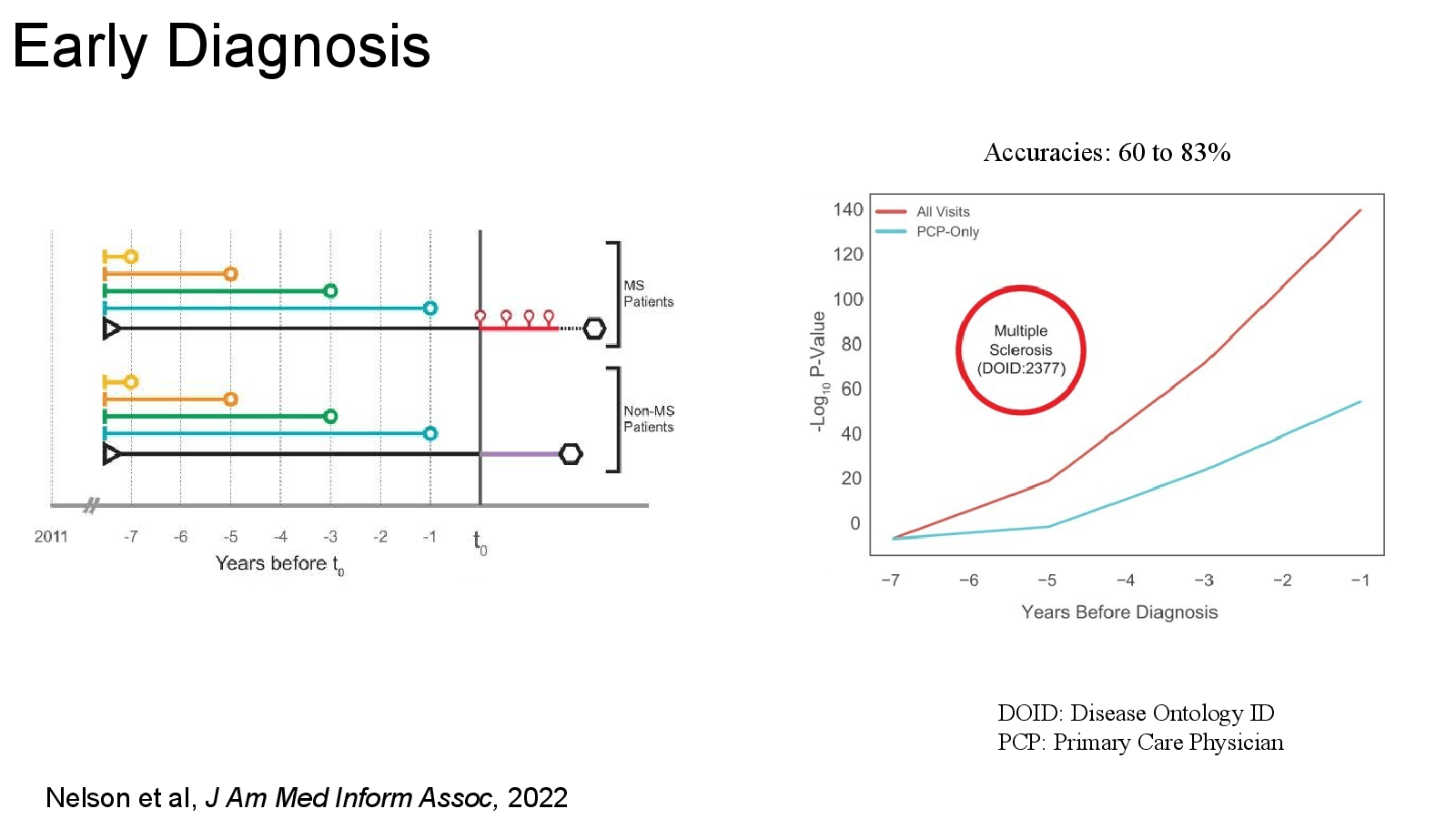
- Early recognition using routinely collected health data
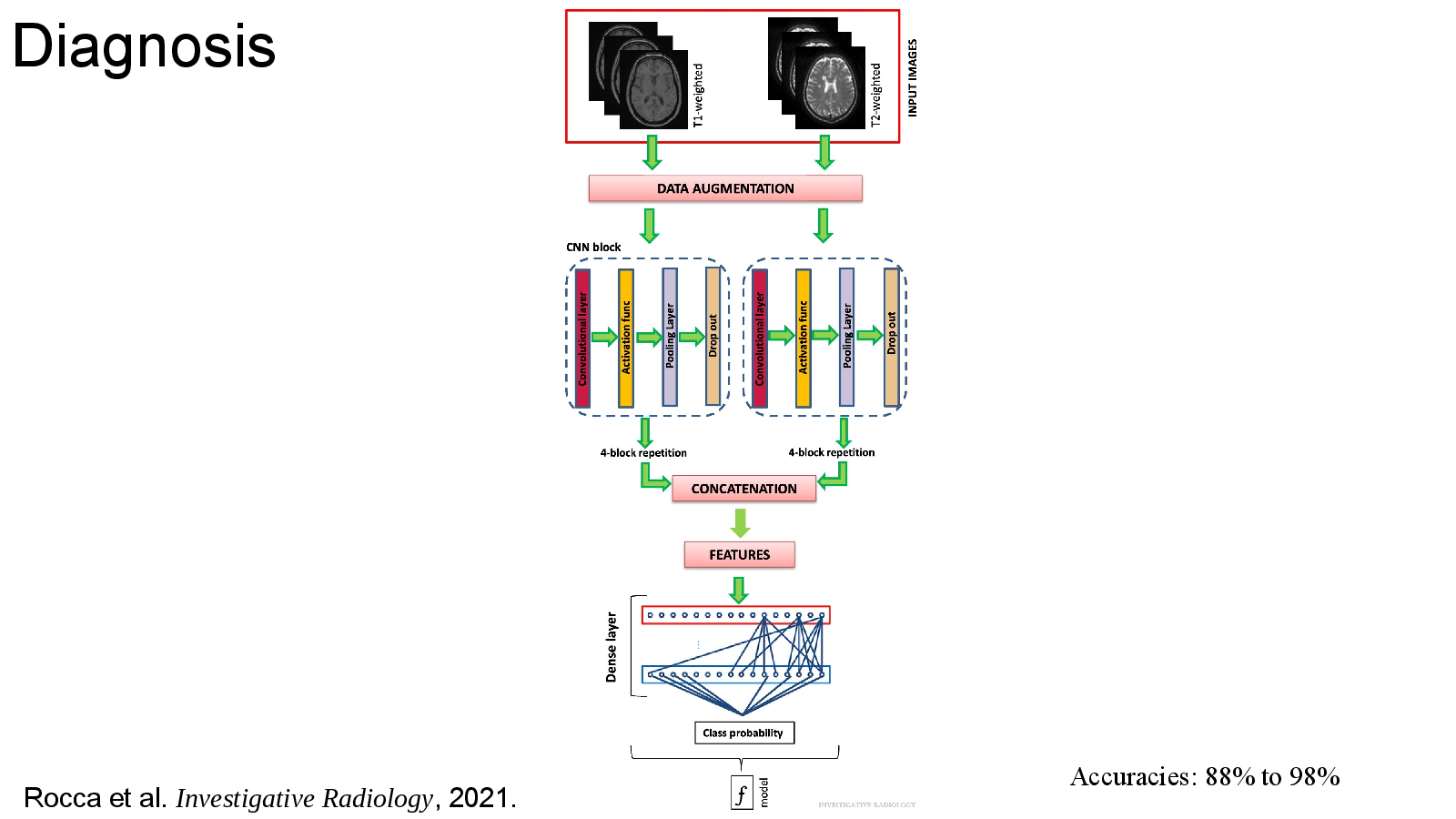
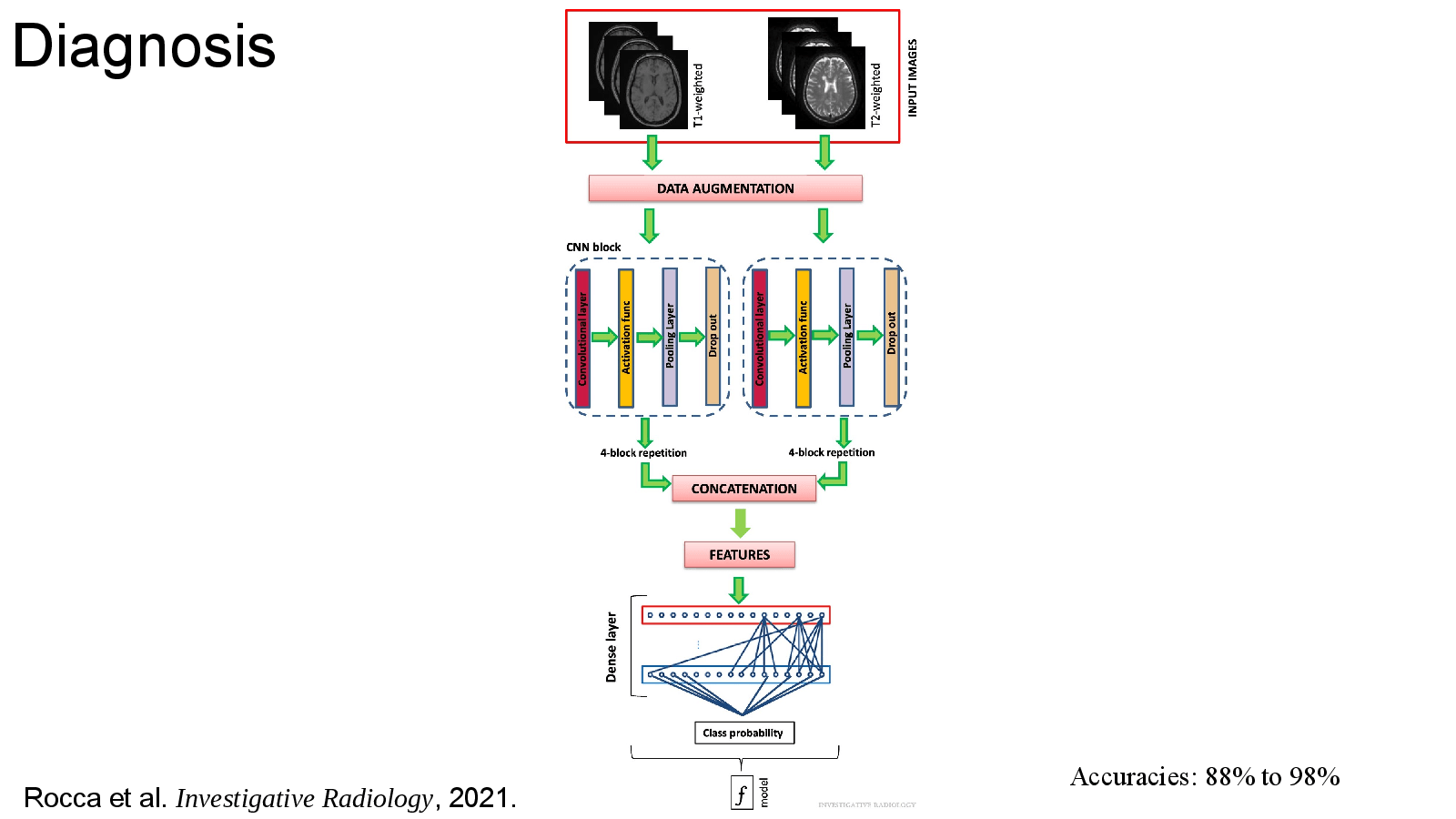
- MRI-supported diagnosis
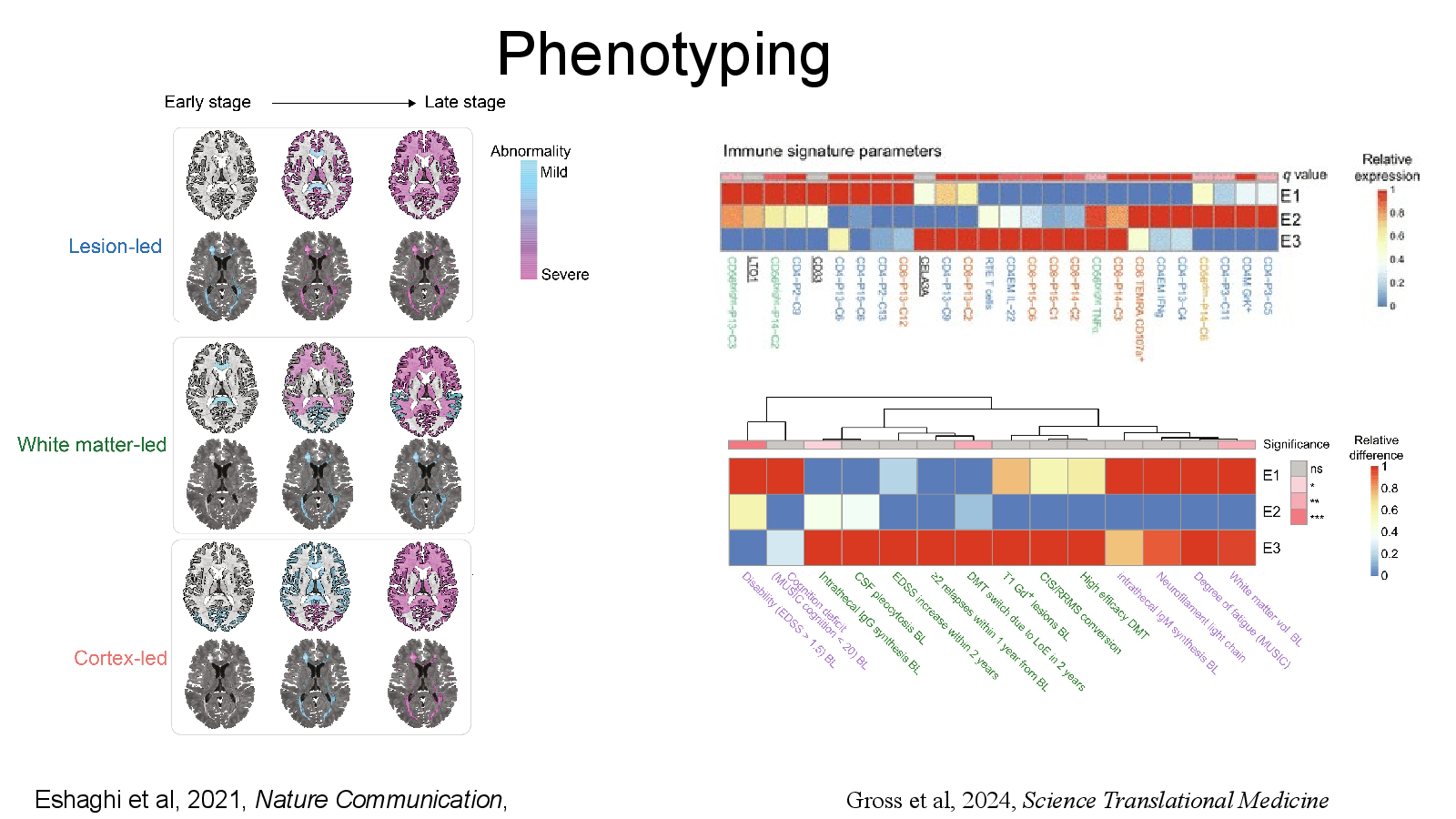
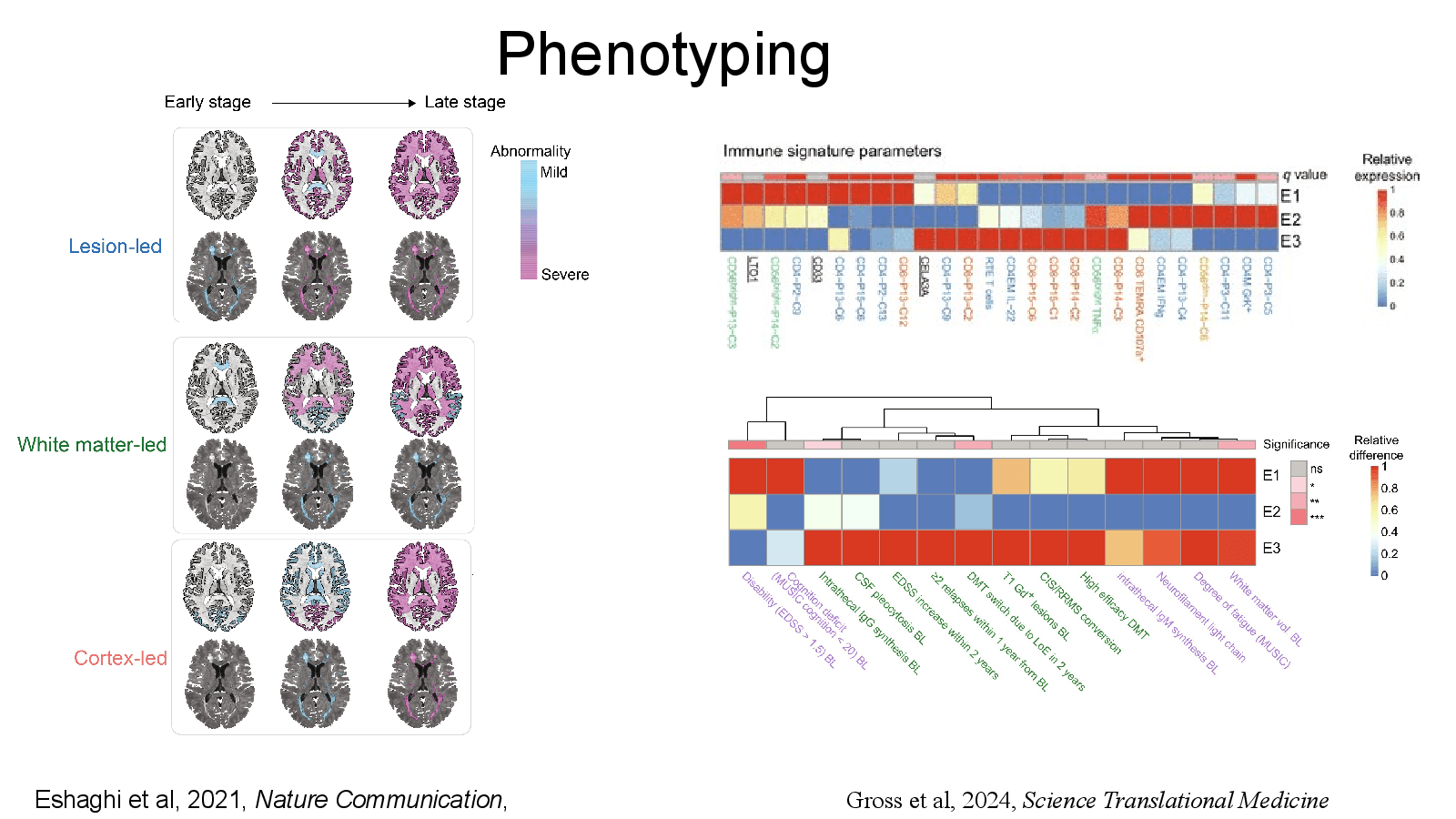
- Data-driven phenotyping of multiple sclerosis
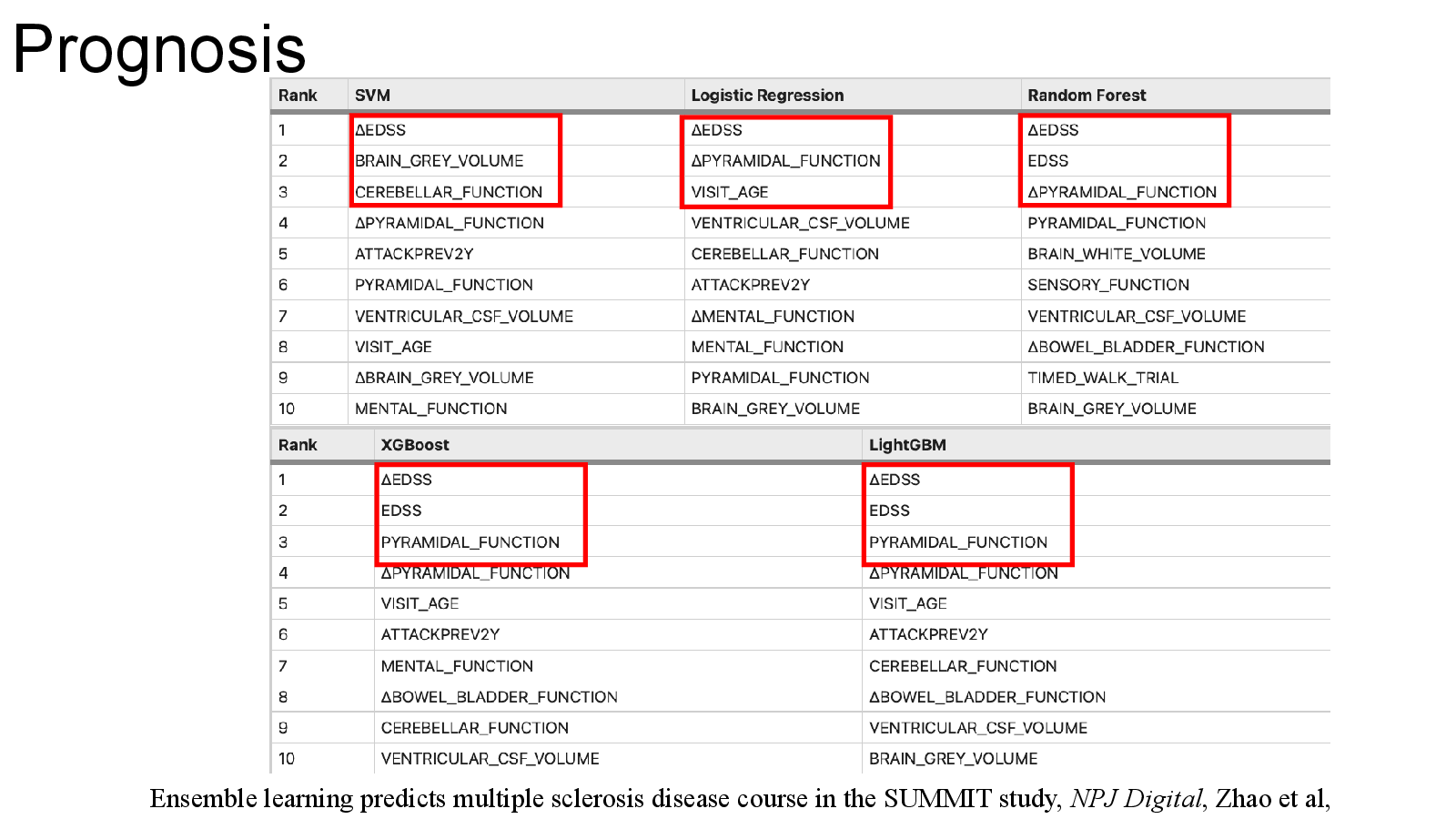
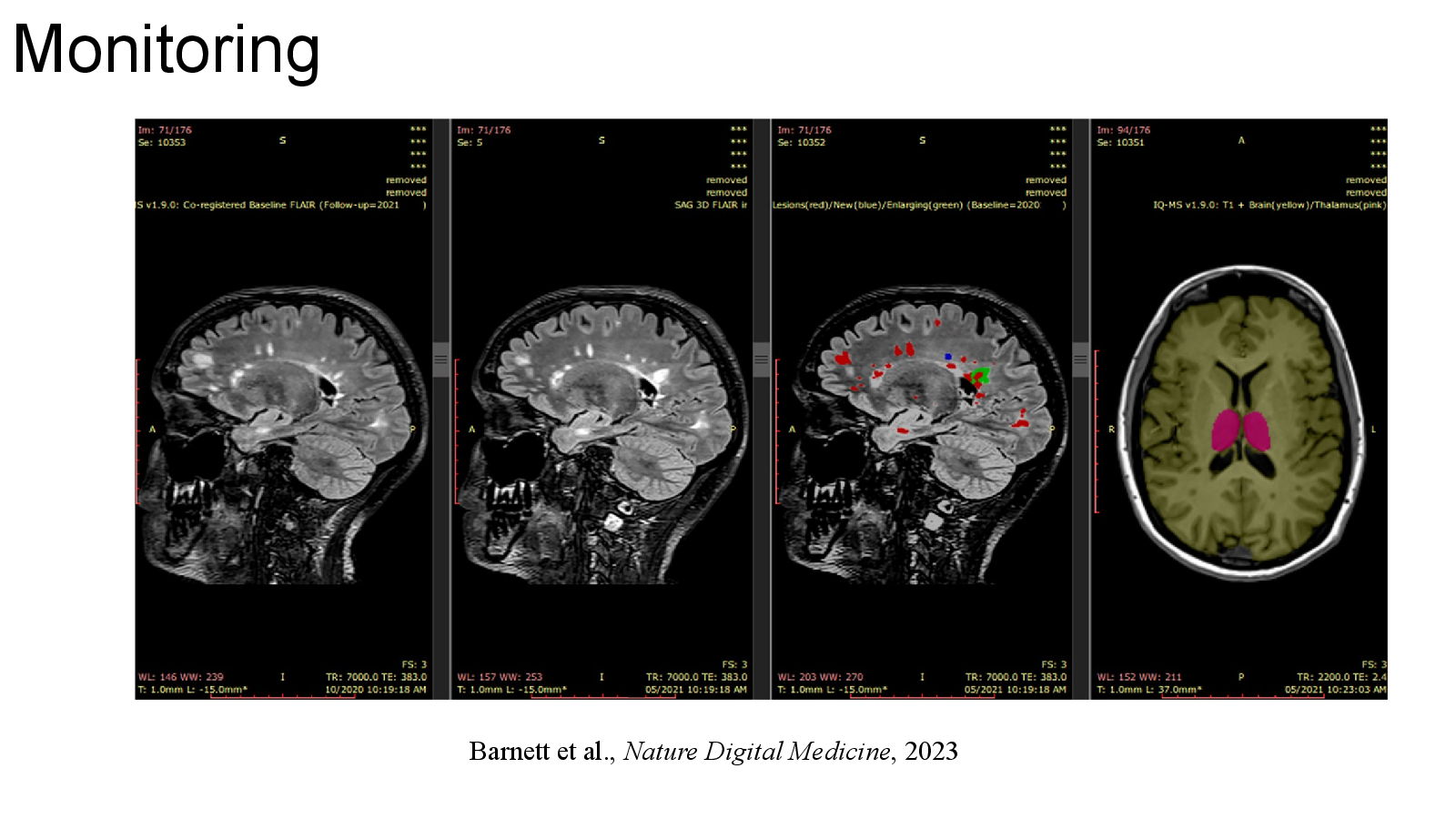
- Prognosis and longitudinal monitoring
Take-away
Prediction in MS covers several different decisions, each with its own data and evaluation needs. A useful system must be judged against the clinical question it is intended to support.
Original deck
Slide by slide
Read the 13-slide presentation in order, or use the index to jump.
Slide 01
Use of AI in MS Prediction
Slide 02
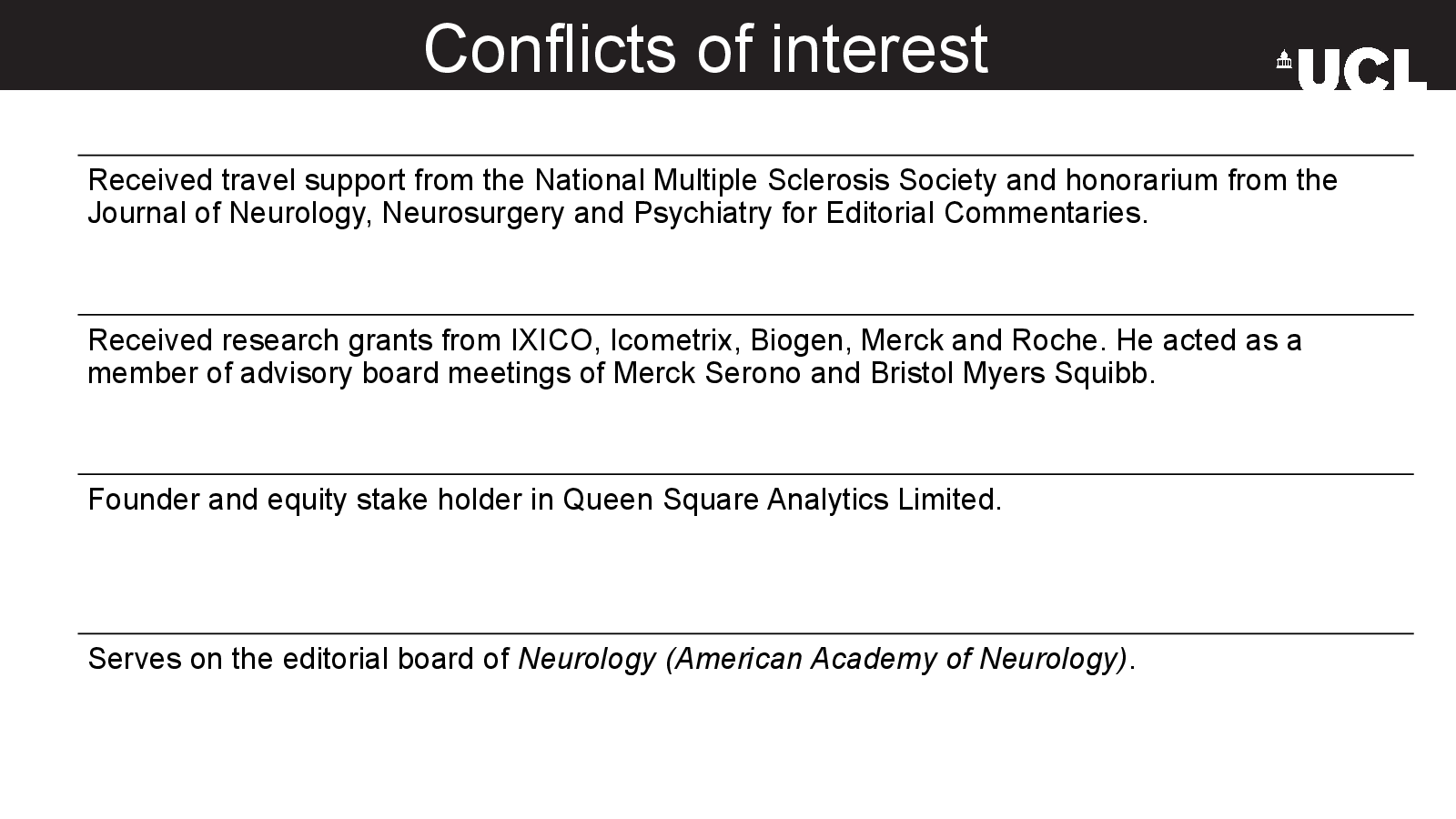
Conflicts of interest
Slide 03
Outline
Slide 04
AGI, Artificial General Intelligence
Slide 05
AI/ML Software as a Medical Device
Slide 06
Nelson et al, J Am Med Inform Assoc, 2022
Slide 07
Rocca et al. Investigative Radiology, 2021.
Slide 08
Gross et al, 2024, Science Translational Medicine
Slide 09
Ensemble learning predicts multiple sclerosis disease course in the SUMMIT study, NPJ Digital, Zhao et al, 2020
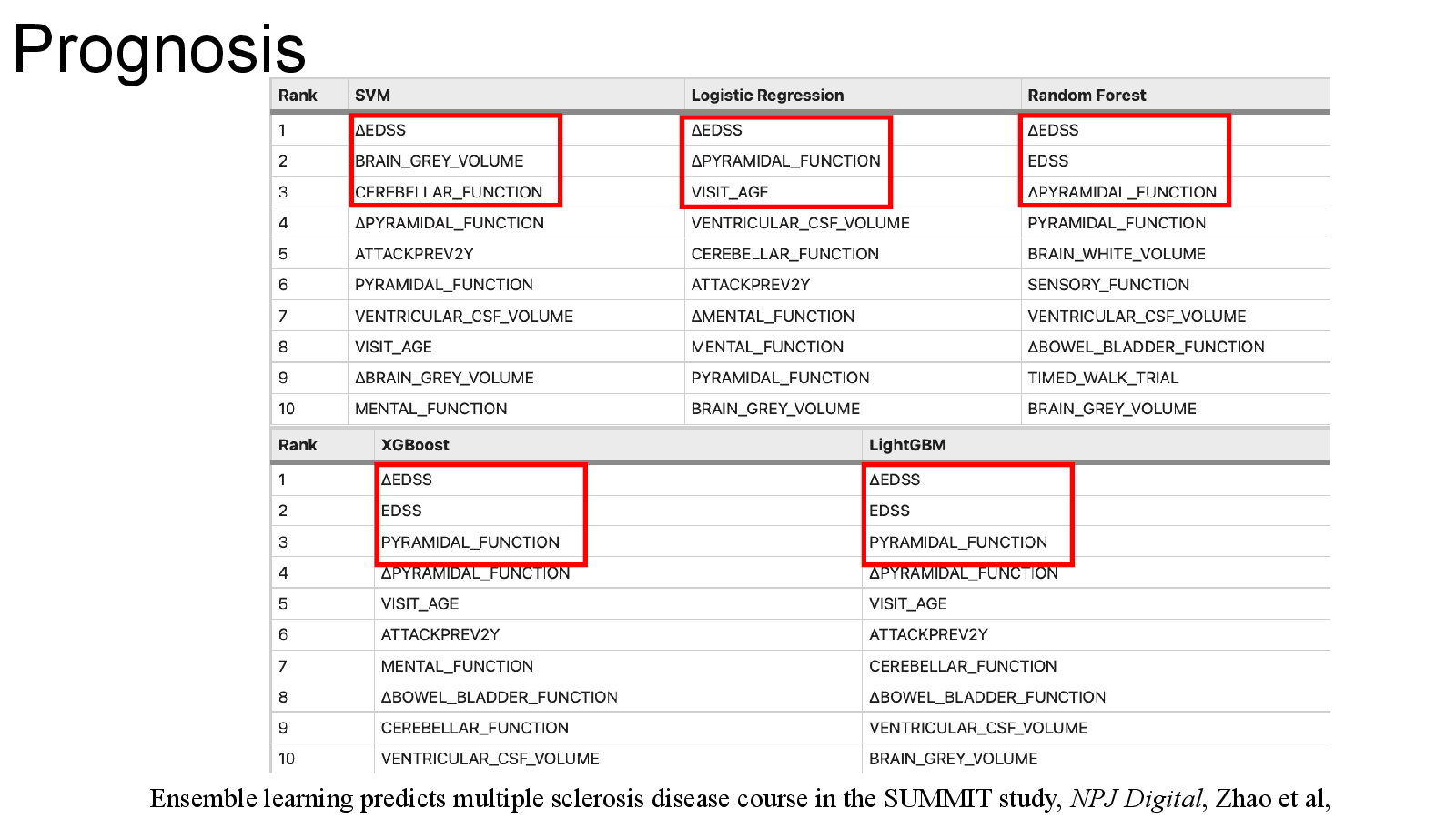
Slide 10
Barnett et al., Nature Digital Medicine, 2023
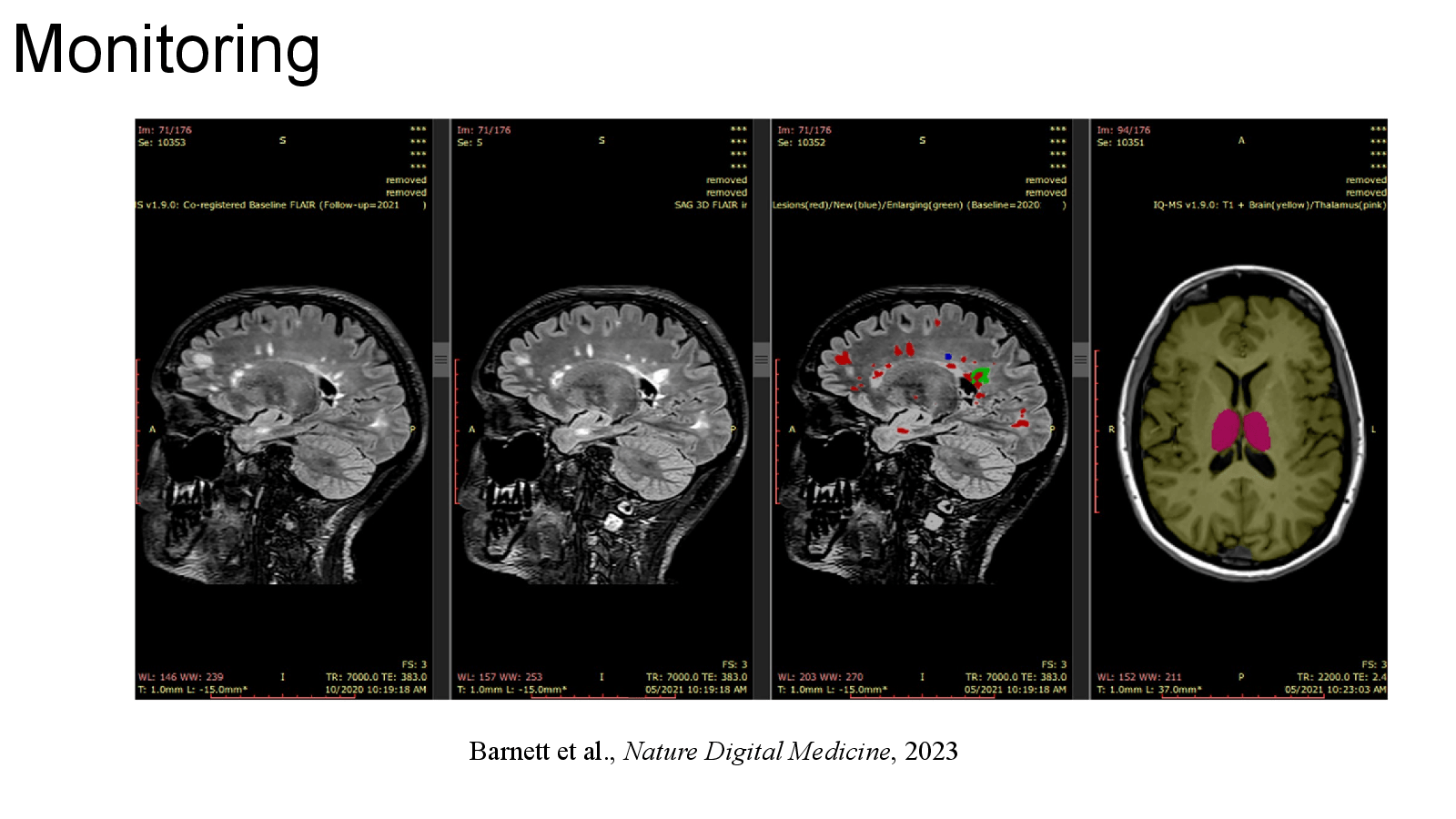
Slide 11
Slide 11
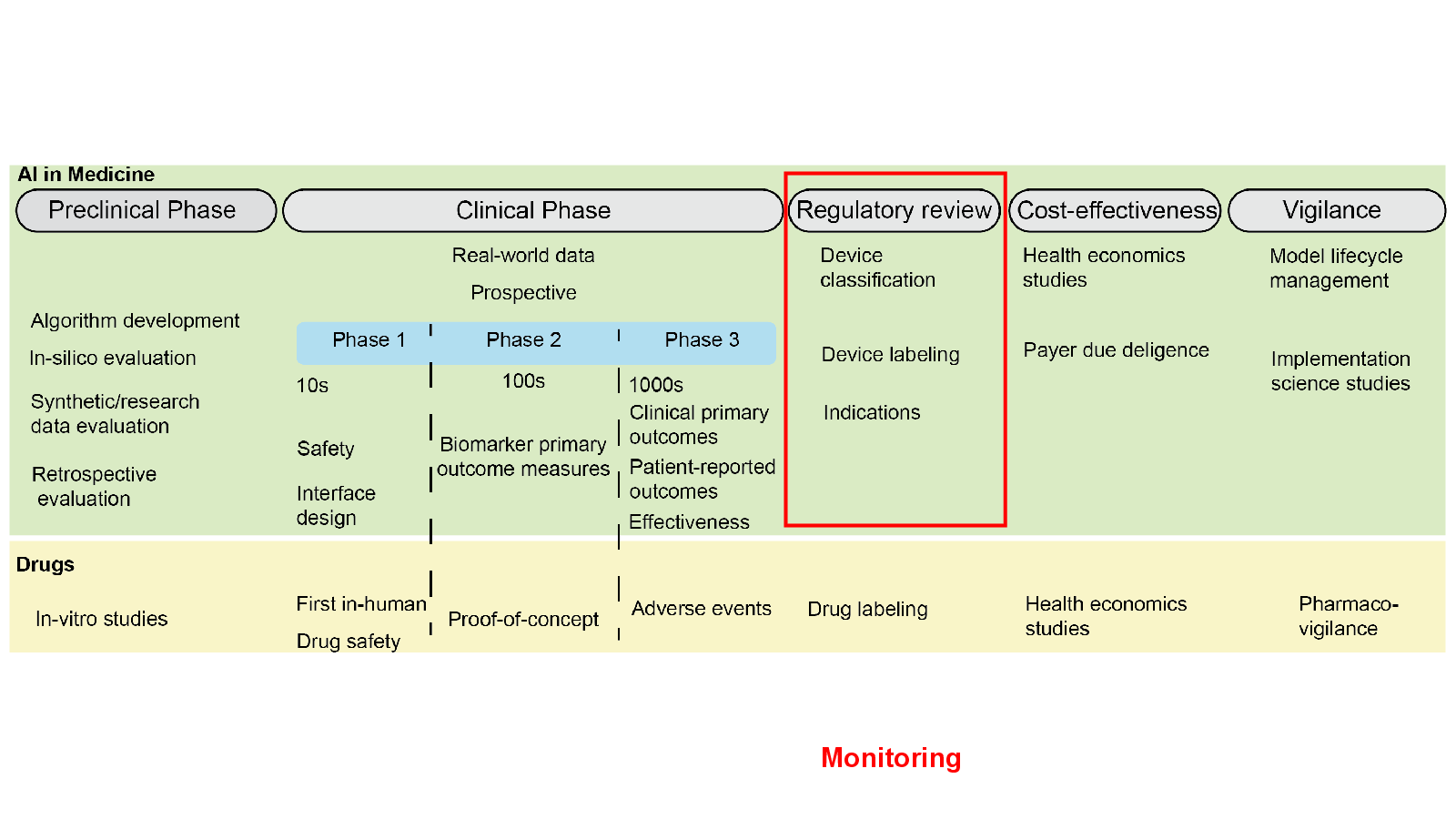
Slide 12
Slide 12
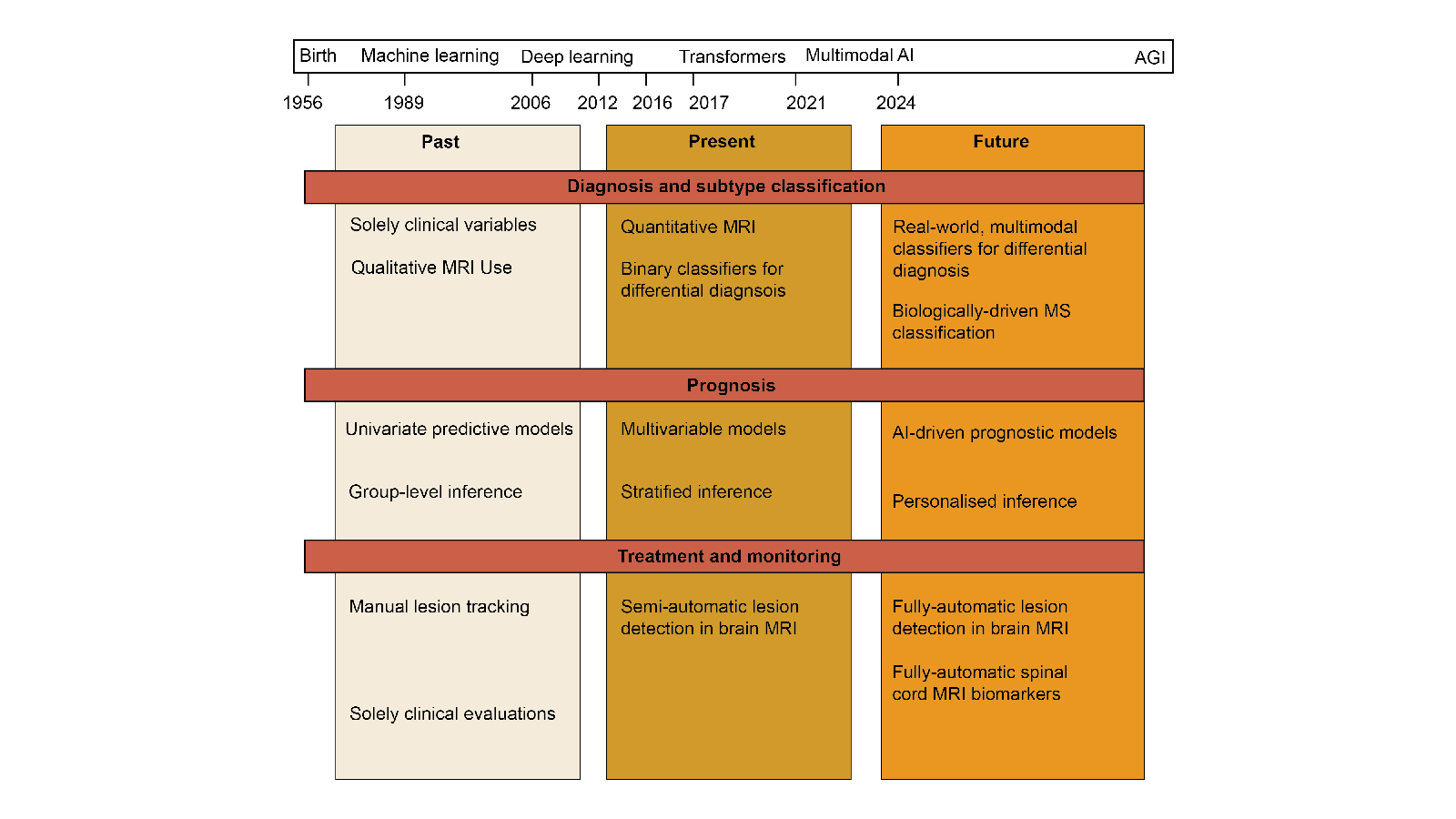
Slide 13
Slide 13