Input 01
Electronic health records
Medications, characteristics and the clinical history of people living with MS — the record of what was actually prescribed, and what happened next.
MS-PINPOINT · Running now
MS-PINPOINT is a multi-center project developing advanced artificial intelligence tools to choose the right treatment for the right person at the right time, to delay disability, improve the quality of life of those living with MS and their families, and eventually save costs for the healthcare systems (including the NHS in the UK).
The brief
Multiple sclerosis is incurable and disabling, and costs the UK approximately £3 billion annually. The treatments we have can only moderately slow disability worsening — and choosing the right one for the right patient at the right time is so difficult that most people with MS will switch treatment at some point.
NHS hospitals have gathered large data sets over the past few decades, which are used for patient care but not for research to help patients. MS-PINPOINT goes back to those archives so the tools we build are exposed to the full diversity of people living with MS, including under-represented patients.
What the study uses
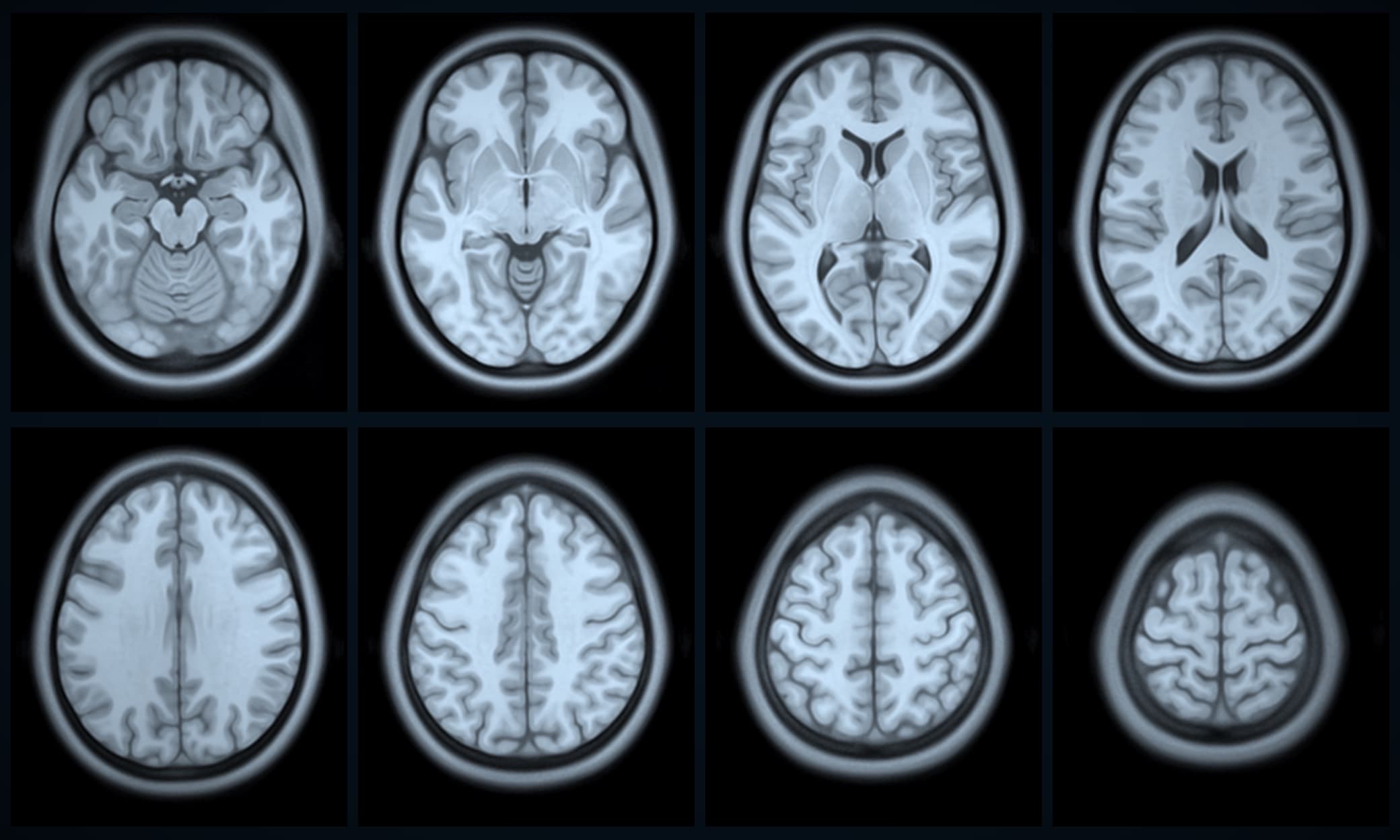
We are using electronic health records and pictures taken from brain and spinal cord (MRI scans) of people living with multiple sclerosis to predict who will respond to which treatment.
Input 01
Medications, characteristics and the clinical history of people living with MS — the record of what was actually prescribed, and what happened next.
Input 02
Ordinary clinical scans, taken as part of routine care rather than for a trial, measured at a scale no single hospital could reach on its own.
Input 03
Linking records to images is what makes the rest possible: it connects age, ethnicity and self-reported sex to what the scan shows.
What it predicts
Computers use artificial intelligence to make sense of enormous data sets and provide personalised recommendations. Three questions matter most, and each one is answerable only at this scale.
Prognosis
How MS is likely to change for one person, instead of what happens to an average patient in a trial.
Subtypes
Grouping people by what their brain and spinal cord images actually show, into types that are informative of treatment effect.
Treatment
Which treatment a particular person is most likely to respond to — earlier, and with fewer adverse events.
Getting this right means prescribing the right treatments sooner, delaying disability, keeping people with MS employed for longer and saving costs for the NHS.
Read the methodsPatients and the public
Data for research is anonymised in the hospitals, so the possibility of reidentifying people with MS is extremely low. No data from different hospitals is centralised or transferred out of the hospital setting, and every NHS number registered in the National Data Opt-Out is excluded before the data flows.
Funding and governance


The principal investigator is Dr Arman Eshaghi, a National Institute for Health and Care Research (NIHR) Advanced Fellow at University College London. He holds — or will hold — an honorary contract with the participating hospital in this research in order to access data. This study lays the basis for a future prospective clinical trial, which will consent patients to acquire data.