MS-PINPOINT · UCL Queen Square

Turning routine hospital data into answers about multiple sclerosis.

We build the computational tools that read the scans and records hospitals already hold — across many hospitals, internationally — so that what happens to one person with MS can inform the care of the next.

Eight axial slices through the MNI152 brain template, ascending from the cerebellum to the vertex

A single hospital sees a few hundred people with MS. We are building the tools to learn from all of them at once.

MS-PINPOINT, today
12hospitalsHospitals contributing routine scans and records to the study right now.
DREAMS, from July 2027
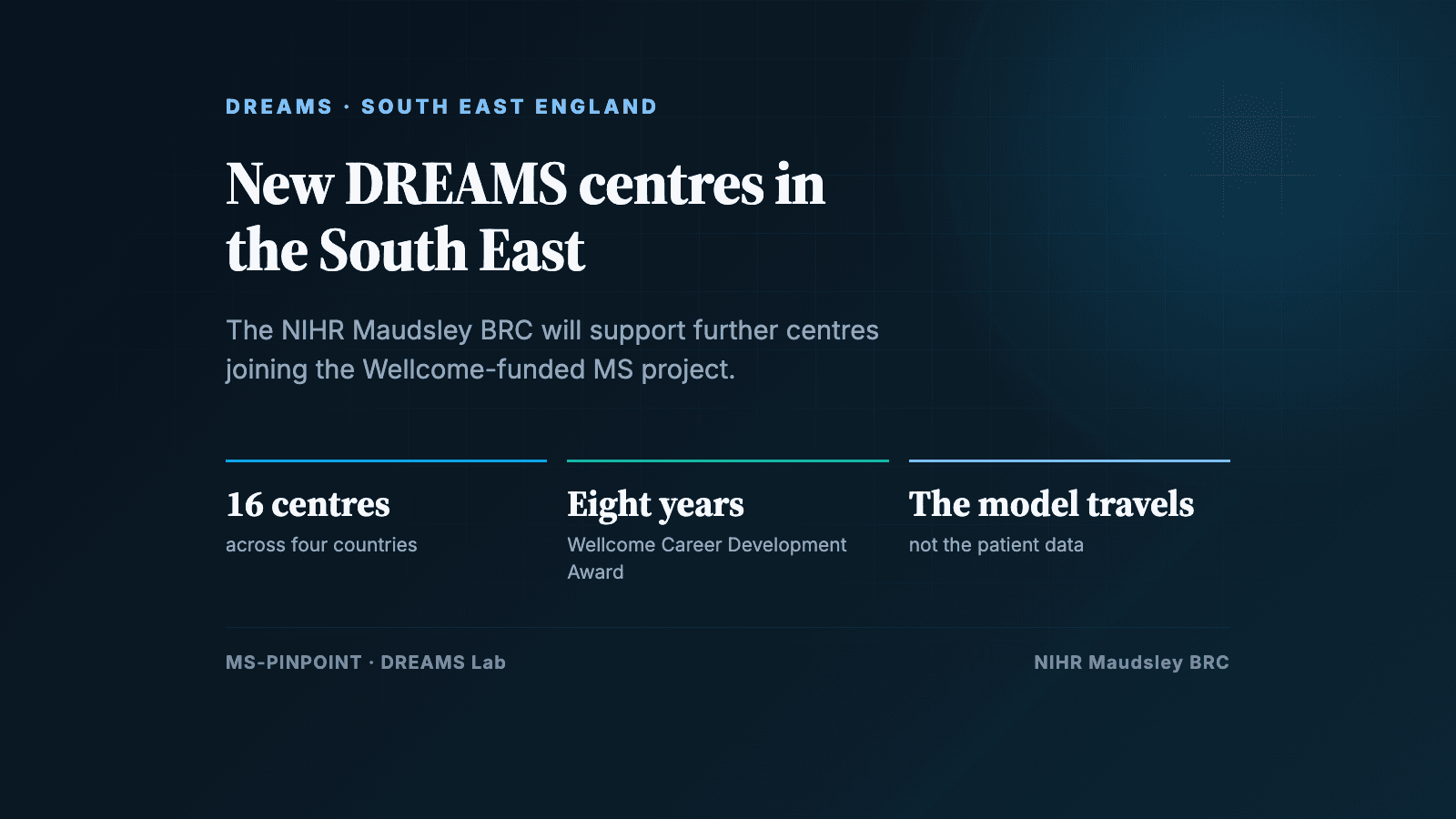
16hospitalsThe next study widens the network and the clinical question.
UCL → King's College London
2027The group moves to KCL in July 2027, taking both projects with it.

Two studies

One running today. One starting in 2027.

Running now

MS-PINPOINT

Sites
12 hospitals
Based at
University College London

Bringing together routine imaging and clinical data from twelve hospitals to work out what actually predicts how multiple sclerosis progresses in an individual.

Starts July 2027

DREAMS

Sites
16 hospitals
Based at
King's College London

Our next study, newly funded and beginning when the group moves to KCL. It widens the network to sixteen hospitals and pushes from prediction towards causal answers.

If you are a patient at one of the twelve MS-PINPOINT hospitals and do not want your data included, the opt-out above is the one you want. DREAMS has not started and has no opt-out yet.

Software

MindGlide reads the scans hospitals already have.

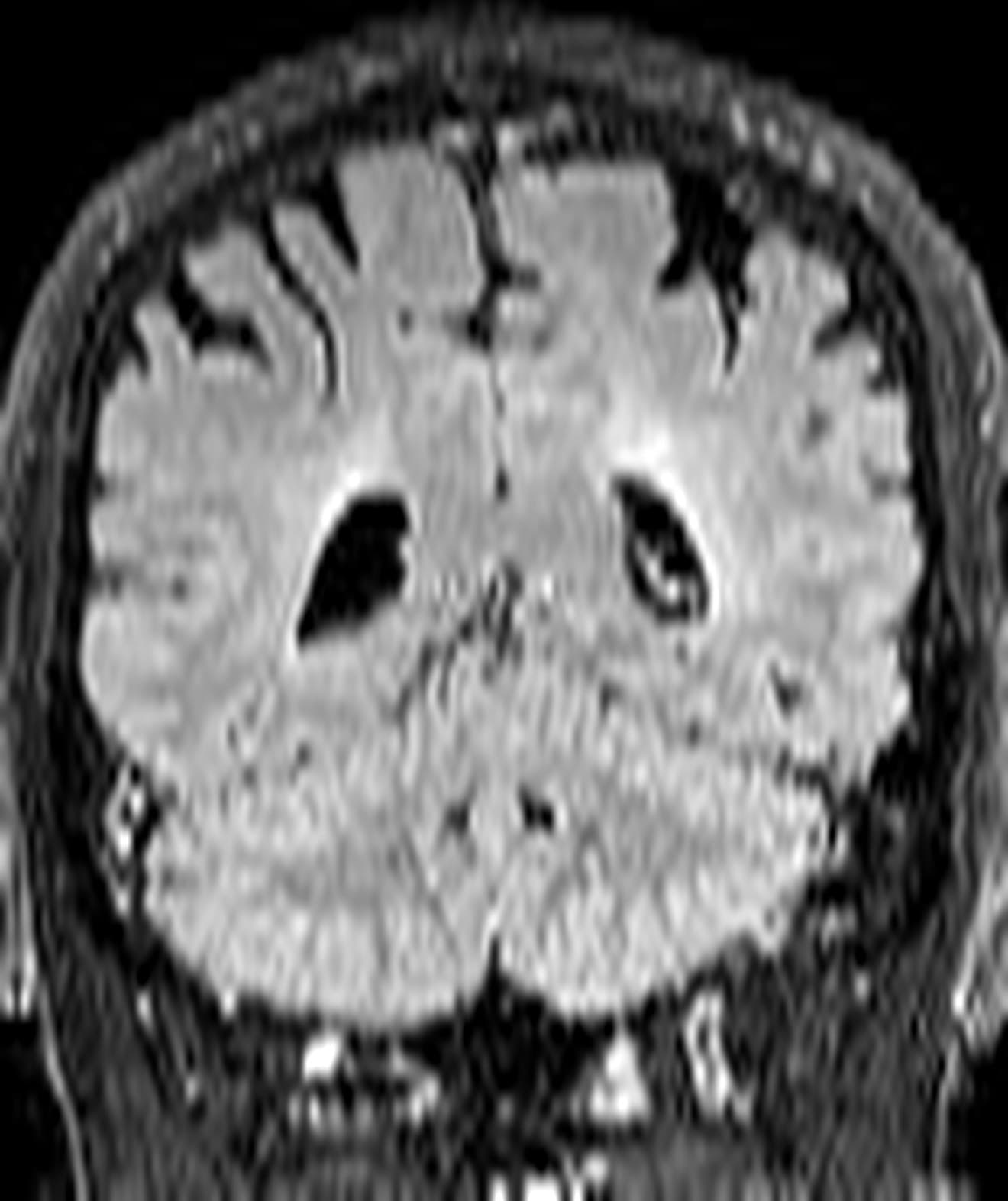
Hospital MRI archives hold decades of imaging that was never analysed at scale, because the scans were acquired for clinical care rather than research. MindGlide is our deep-learning tool for measuring them anyway — turning an archive into a dataset.

MindGlide segmentation output: brain MRI slices with lesion and tissue boundaries automatically outlined

Latest news

What the group has been doing

All news