All talks & lectures

Invited lecture ·

Artificial intelligence in healthcare

A broad introduction to medical AI, from imaging and protein structure to multimodal models, wearables and fairness.

Cardiff Inspiring Research Student Congress · Cardiff, UK

A web sketch of the deck’s central idea
Delivered
Event
Cardiff Inspiring Research Student Congress
Place
Cardiff, UK
Format
Invited lecture
Source deck
33 slides

From the slides

Deck notes

This student-congress lecture introduced artificial intelligence through concrete healthcare applications. It ranged from imaging and disease progression to protein structure, multimodal models and wearable measurements.

The question

Where is AI already changing healthcare, and what must be checked before those systems are trusted?

Deck outline

  • What artificial intelligence means in healthcare
  • Imaging patterns and disease progression
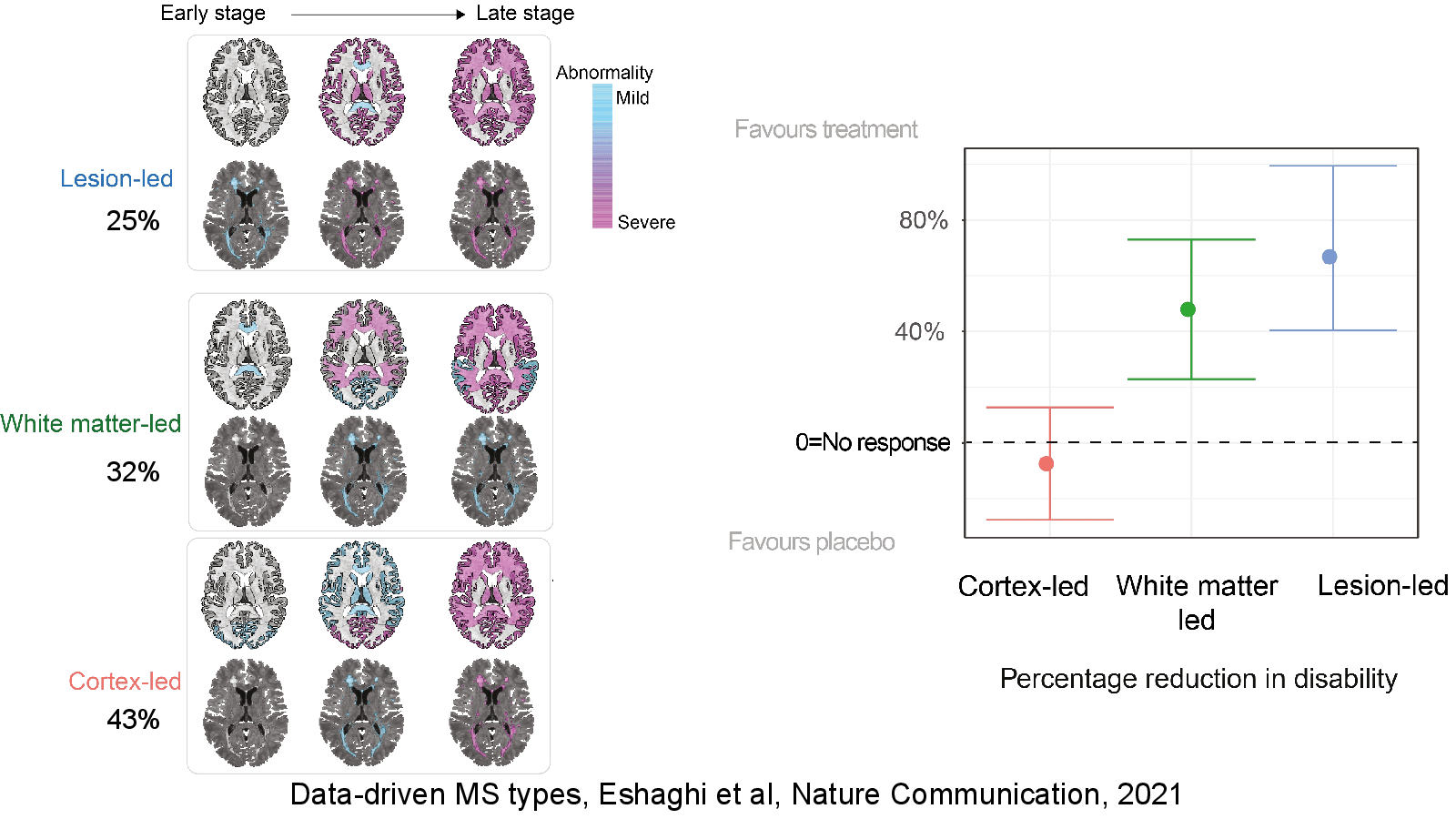
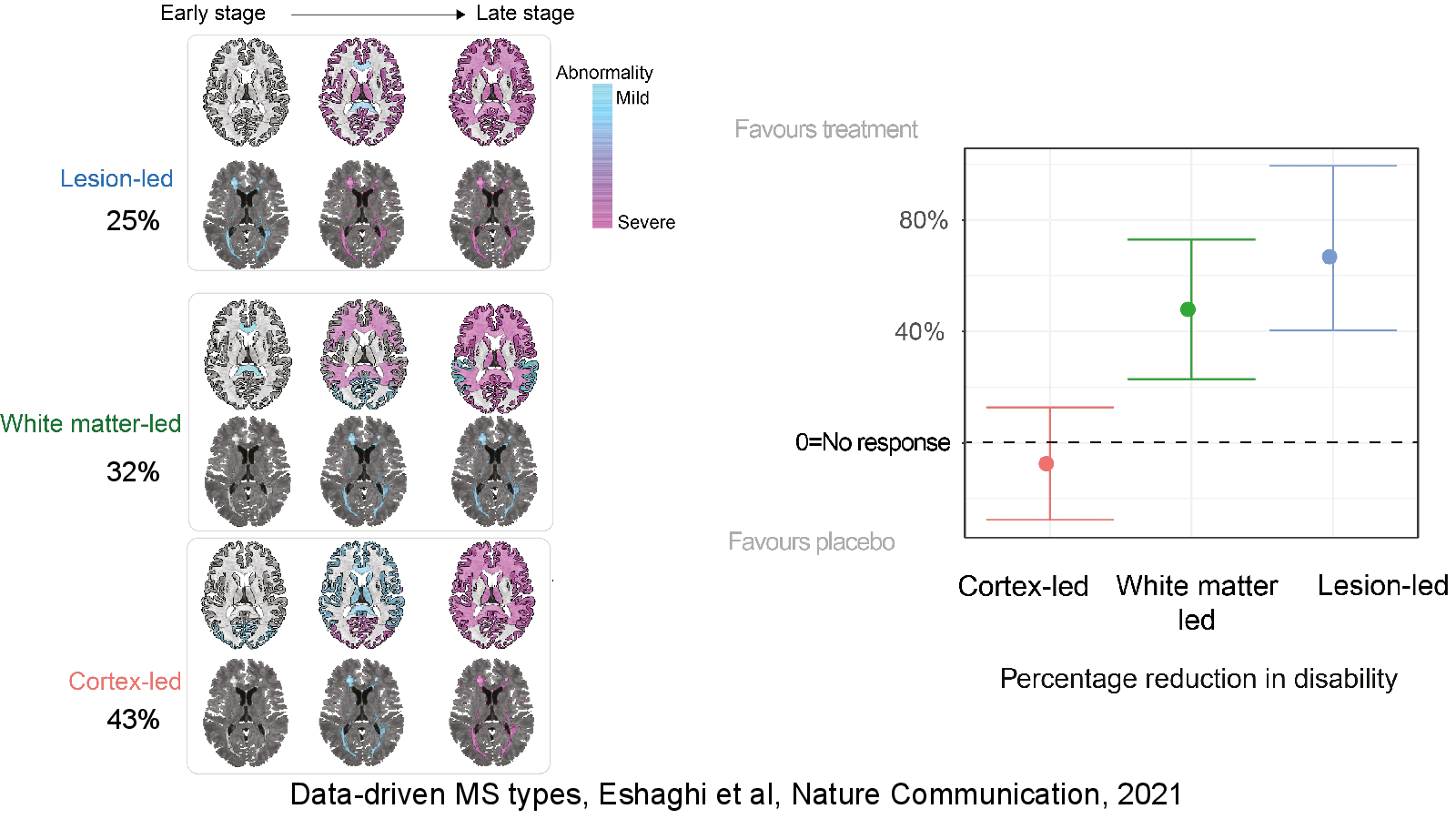
  • Data-driven multiple sclerosis subtypes
  • Protein structure and foundation models
  • Multimodal medical models and wearable measures
  • Algorithmic bias and unequal performance

Take-away

Medical AI is most convincing when it answers a defined clinical question and is evaluated across the people and settings it is intended to serve.

Original deck

Slide by slide

Read the 33-slide presentation in order, or use the index to jump.

  1. Slide 01

    Artificial Intelligence in Healthcare
    Slide 1: Artificial Intelligence in HealthcareOpen full-size slide

    Arman Eshaghi, MD, PhD

    NIHR Advanced Fellow

    Queen Square Institute of Neurology

    University College London

    United Kingdom

  2. Slide 02

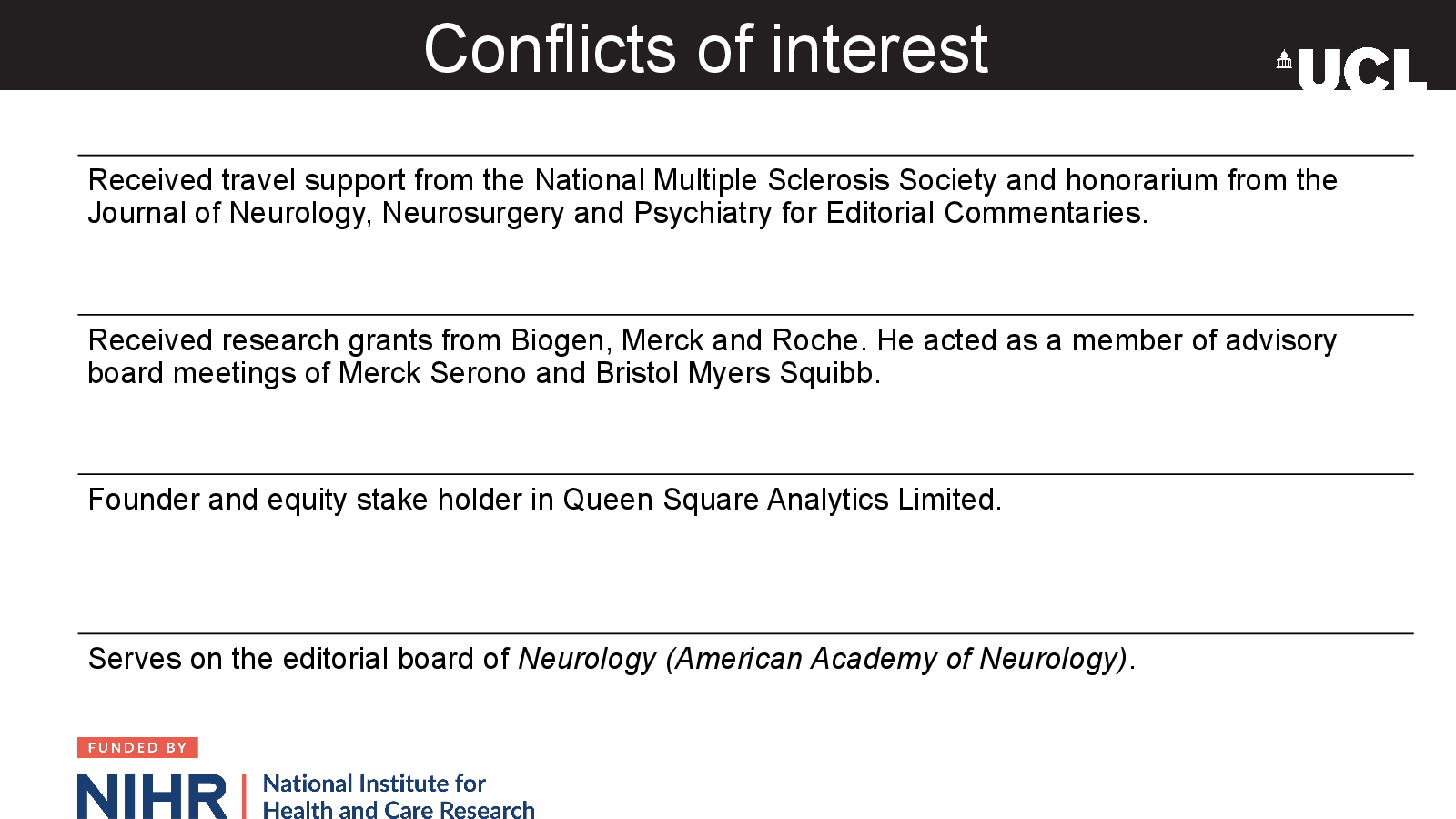
    Conflicts of interest

    Slide 2: Conflicts of interestOpen full-size slide
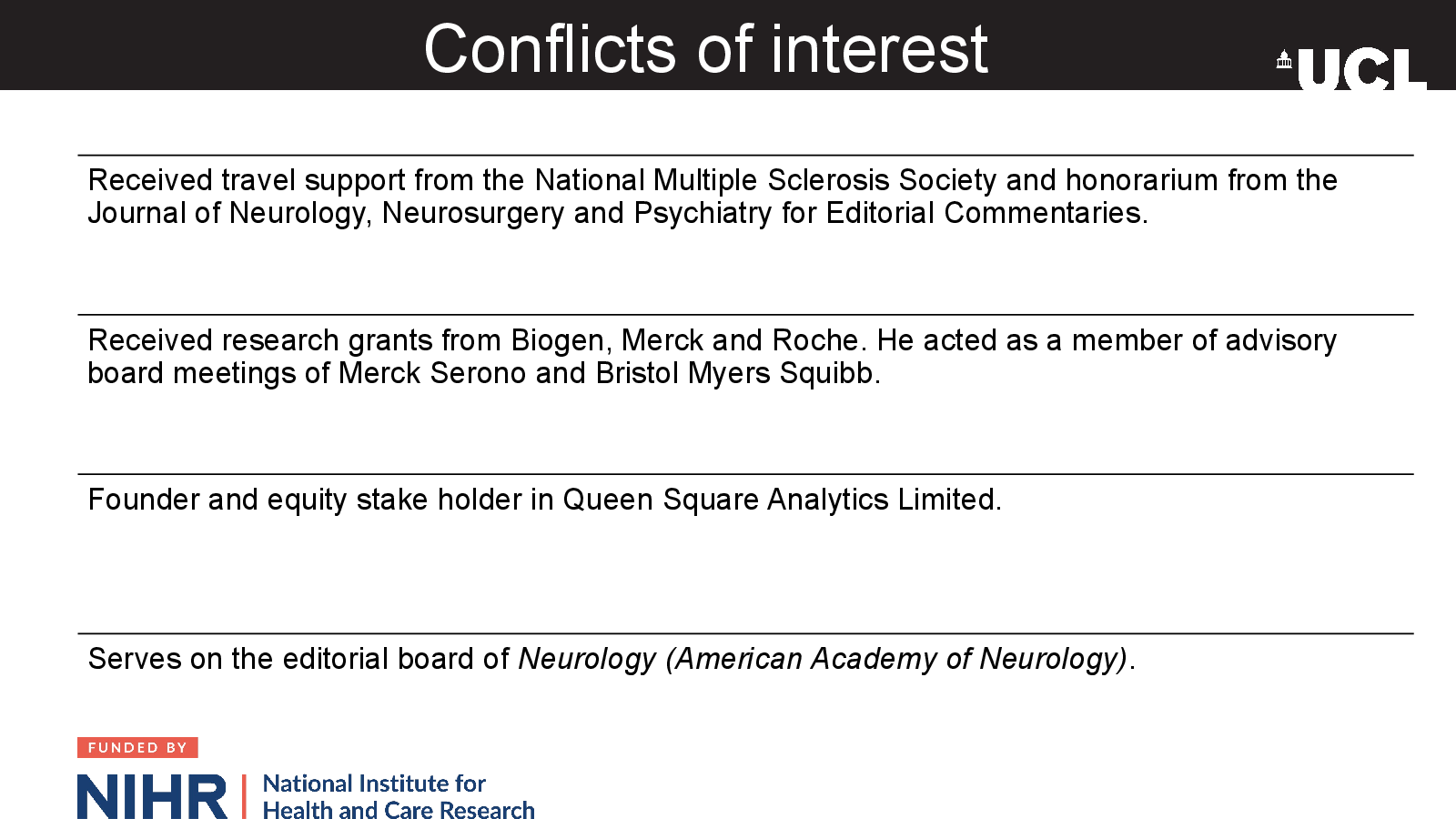
    • Received travel support from the National Multiple Sclerosis Society and honorarium from the Journal of Neurology, Neurosurgery and Psychiatry for Editorial Commentaries.
    • Received research grants from Biogen, Merck and Roche. He acted as a member of advisory board meetings of Merck Serono and Bristol Myers Squibb.
    • Founder and equity stake holder in Queen Square Analytics Limited.
    • Serves on the editorial board of Neurology (American Academy of Neurology).
  3. Slide 13

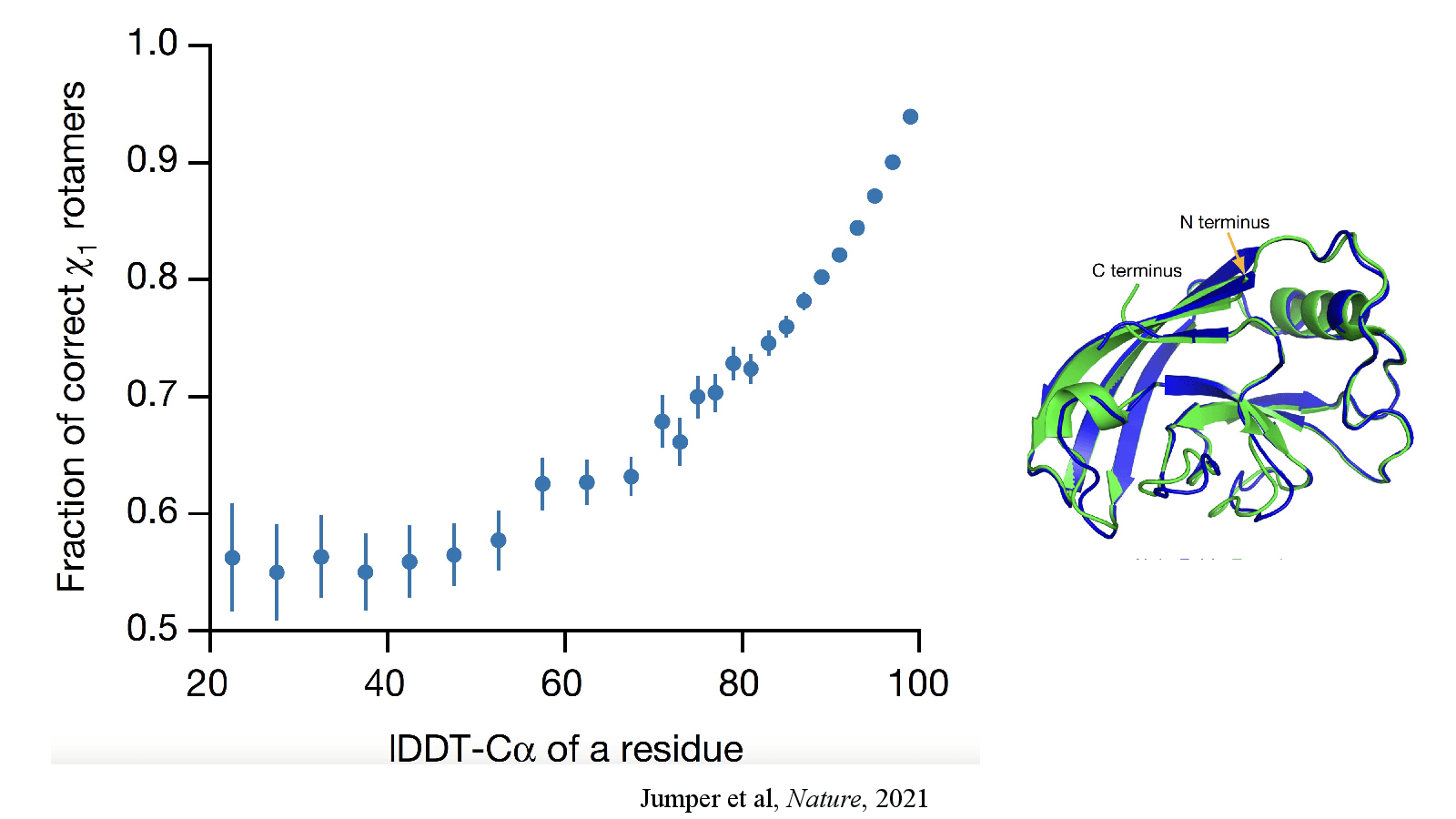
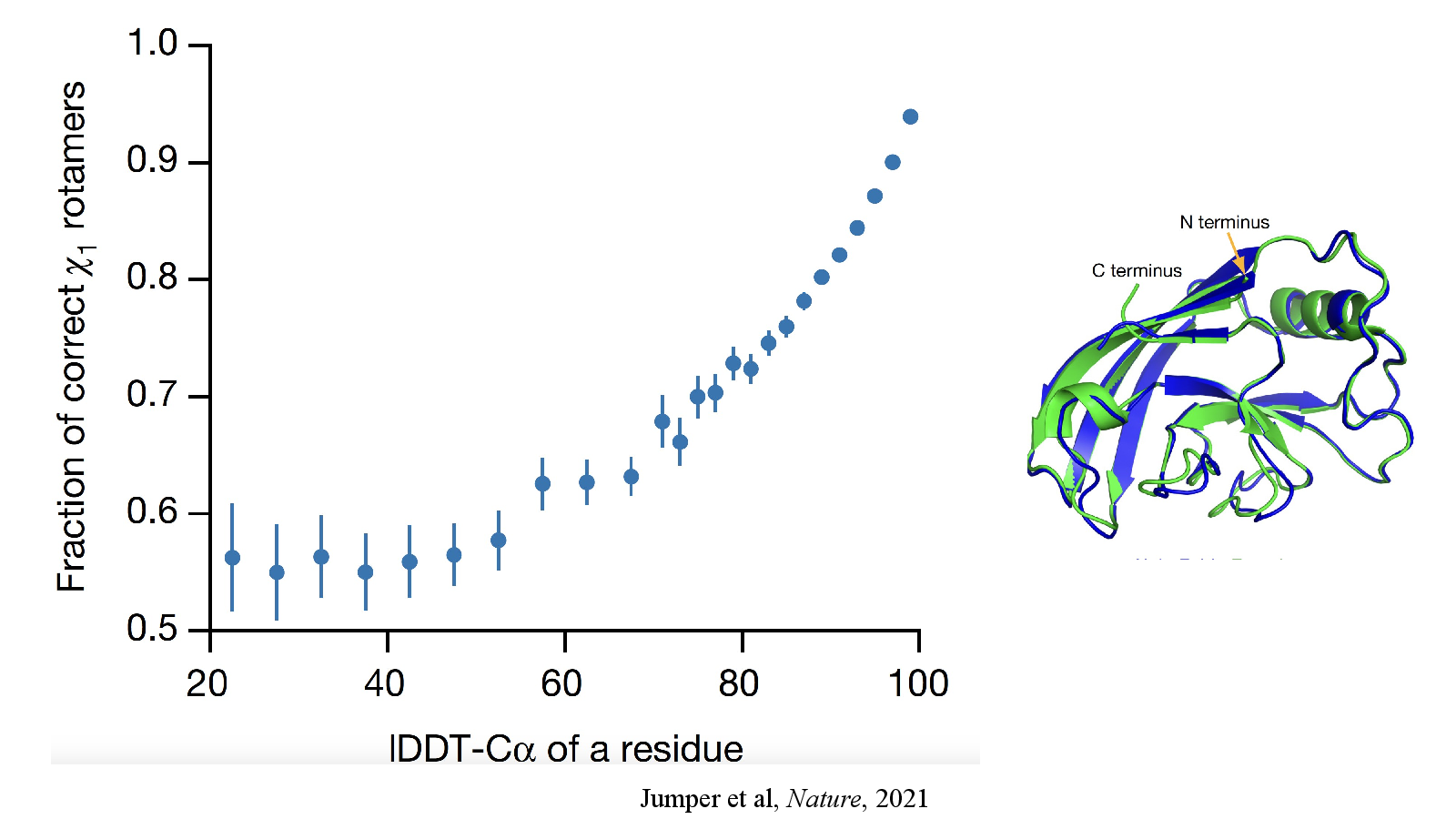
    Jumper et al, Nature, 2021

    Slide 13: Jumper et al, Nature, 2021Open full-size slide
    Speaker notes

    showcases the remarkable capability of AlphaFold in predicting protein structures, illustrating a strong correlation between the accuracy of the protein's backbone structure and its side chains. This correlation is crucial because it demonstrates AlphaFold's effectiveness in predicting the complex and detailed three-dimensional shapes of proteins, which are essential for understanding their functions in biological systems.

    References

  4. Slide 17

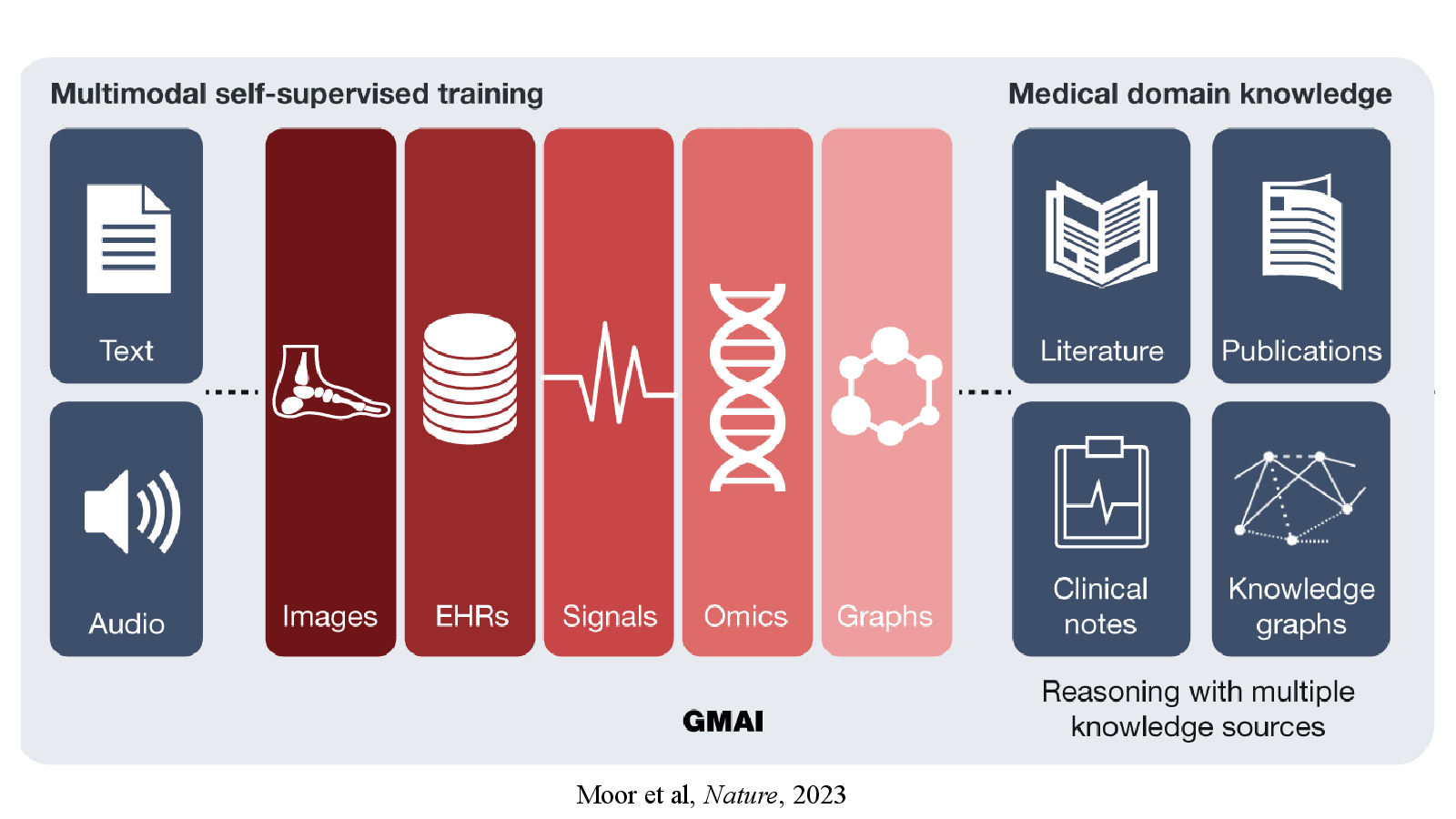
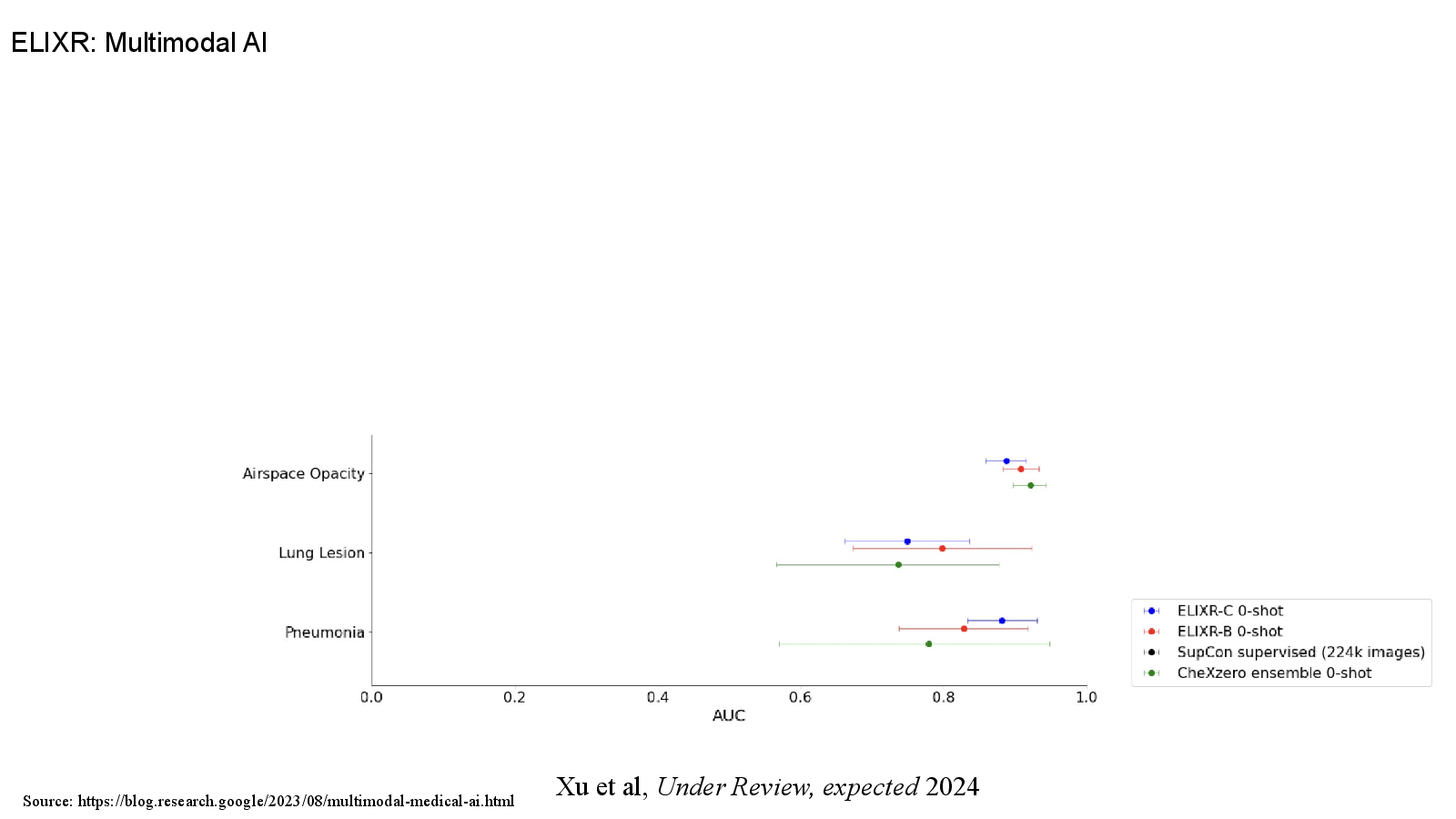
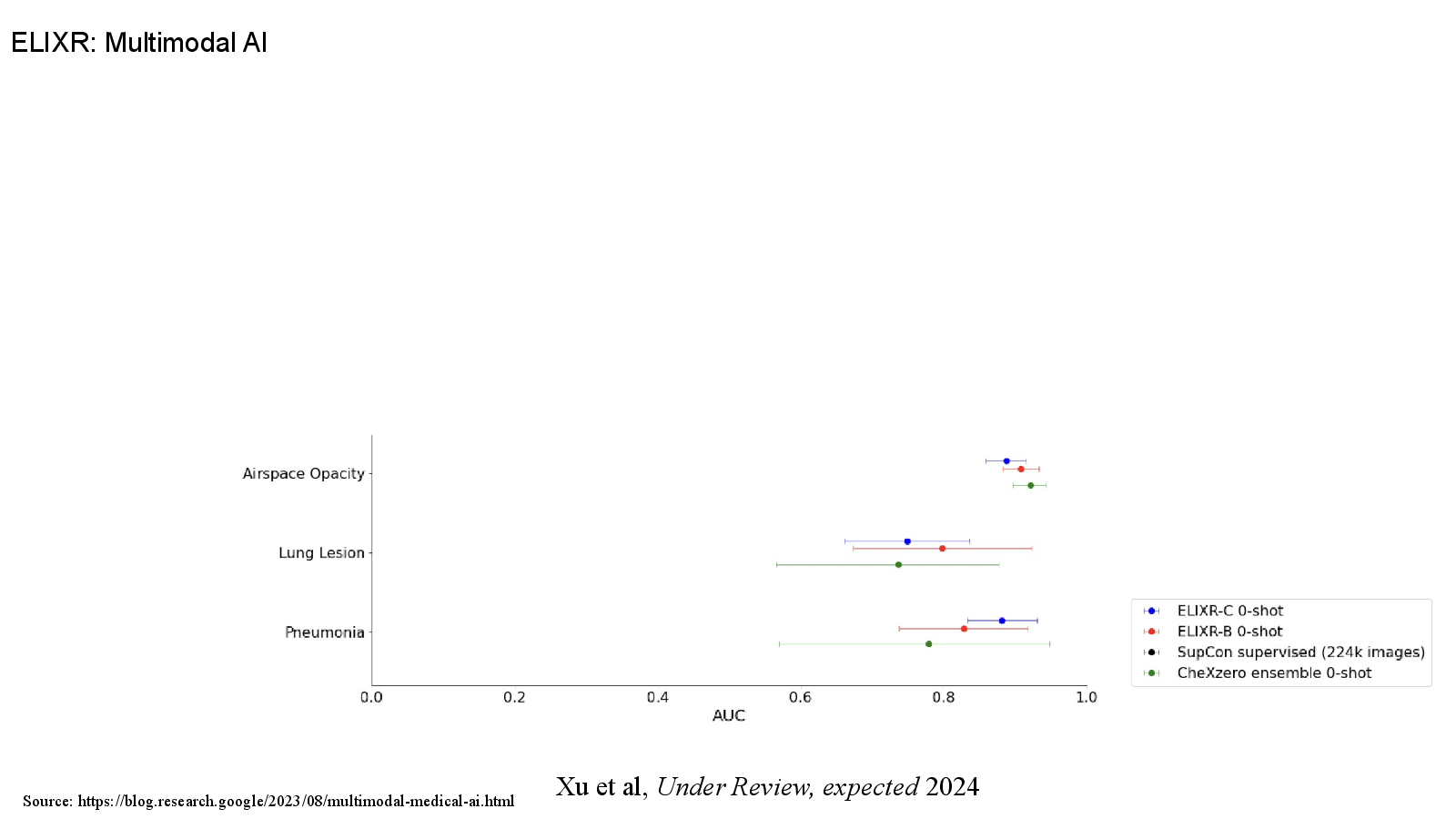
    Source: https://blog.research.google/2023/08/multimodal-medical-ai.html
    Slide 17: Source: https://blog.research.google/2023/08/multimodal-medical-ai.htmlOpen full-size slide

    ELIXR: Multimodal AI

    Xu et al, Under Review, expected 2024

  5. Slide 18

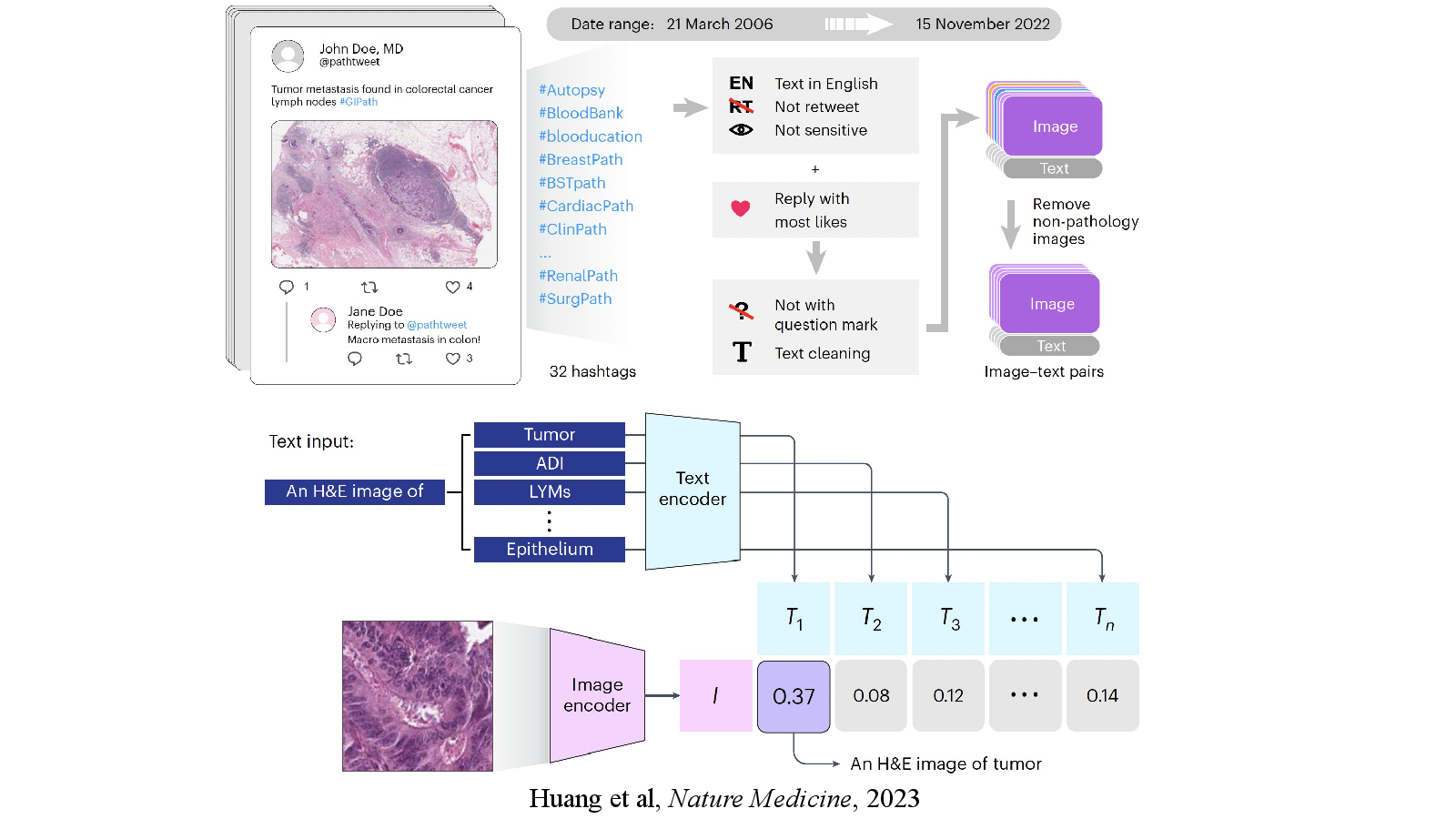
    Huang et al, Nature Medicine, 2023
    Slide 18: Huang et al, Nature Medicine, 2023Open full-size slide
    Speaker notes

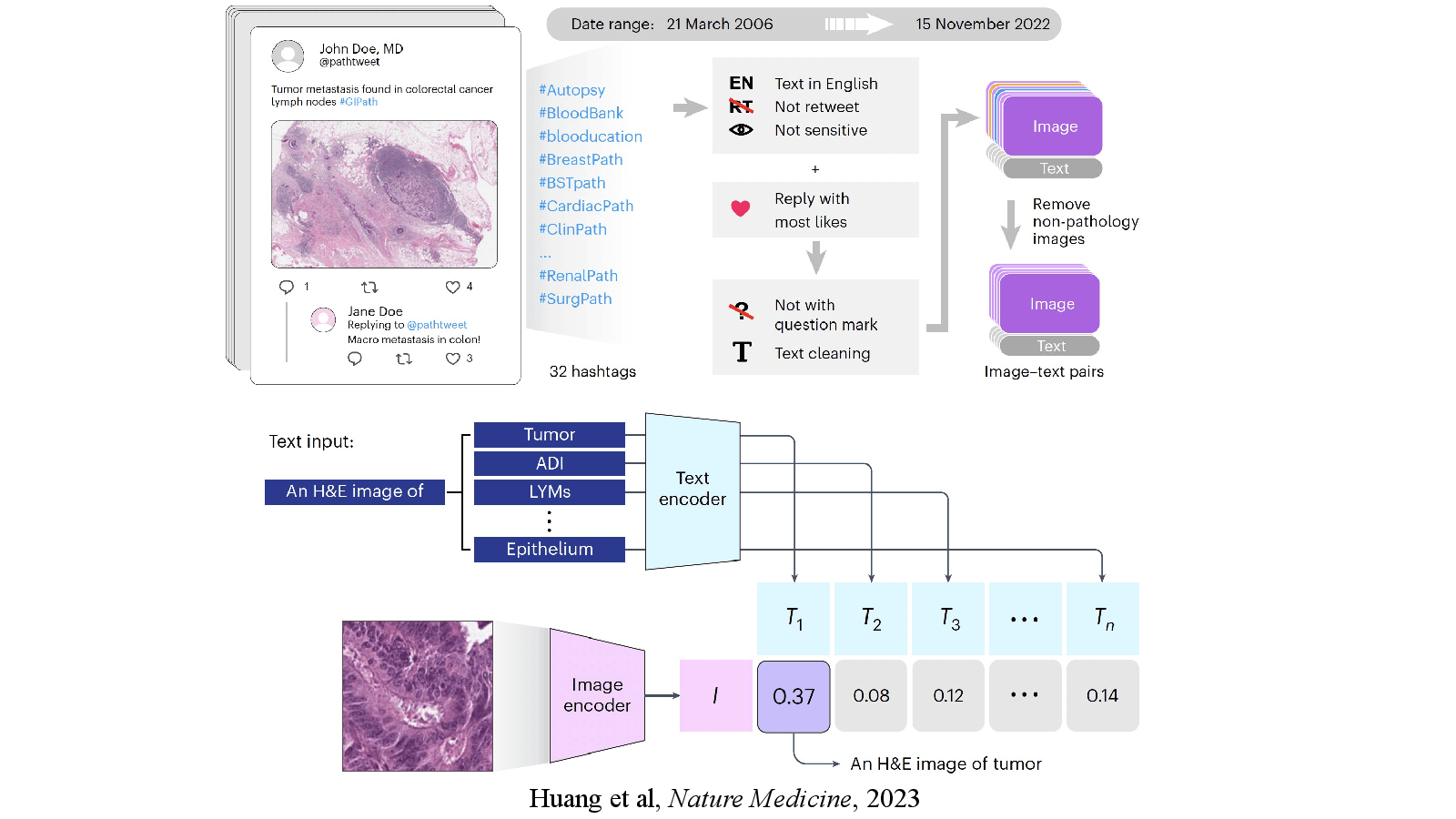
    The article presents the development of PLIP, a multimodal artificial intelligence model that understands both images and text, trained on OpenPath, a large dataset of 208,414 pathology images paired with natural language descriptions. PLIP excels at classifying new pathology images across various datasets, achieving significant improvements in F1 scores compared to previous models. It also enhances pathology image retrieval from text inputs, showing substantial performance improvements across multiple datasets. One key performance metric of PLIP is its ability in zero-shot classification, where it achieves F1 scores ranging from 0.565 to 0.832 across four external validation datasets, outperforming the baseline CLIP model and demonstrating significant improvement in classifying pathology images.

    References

  6. Slide 21

    Slide 21

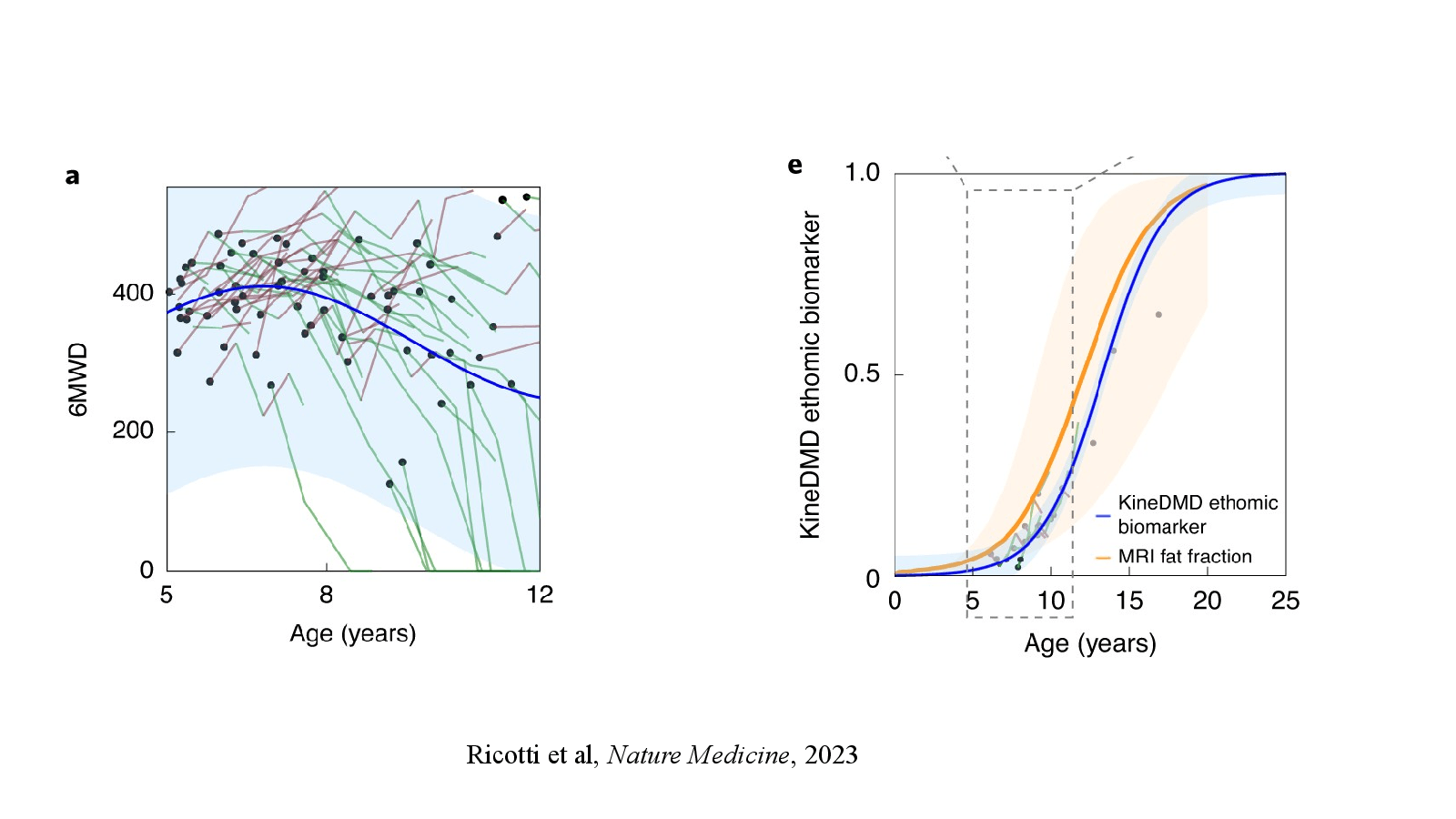
    Full image of slide 21Open full-size slide
    Speaker notes

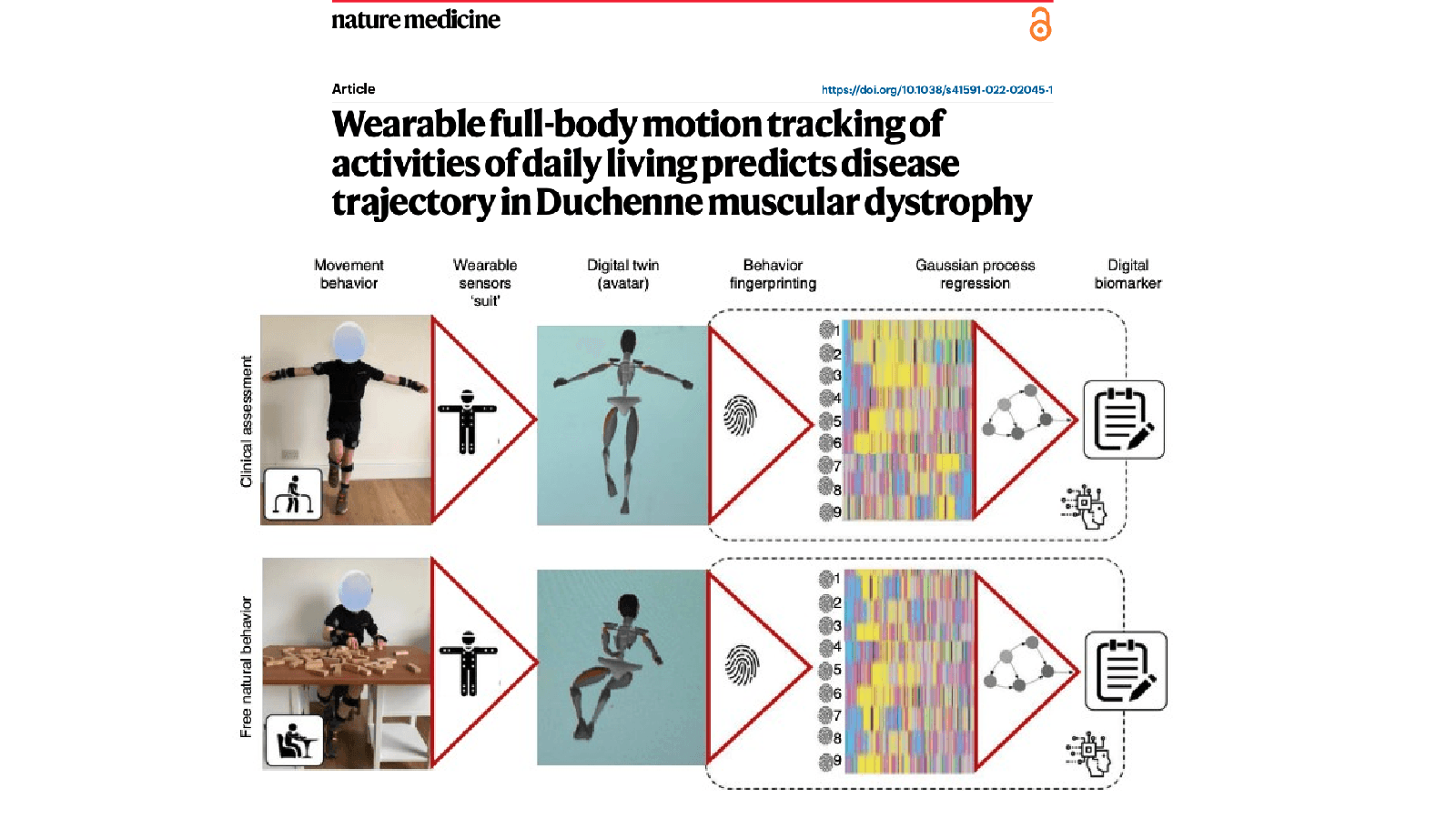
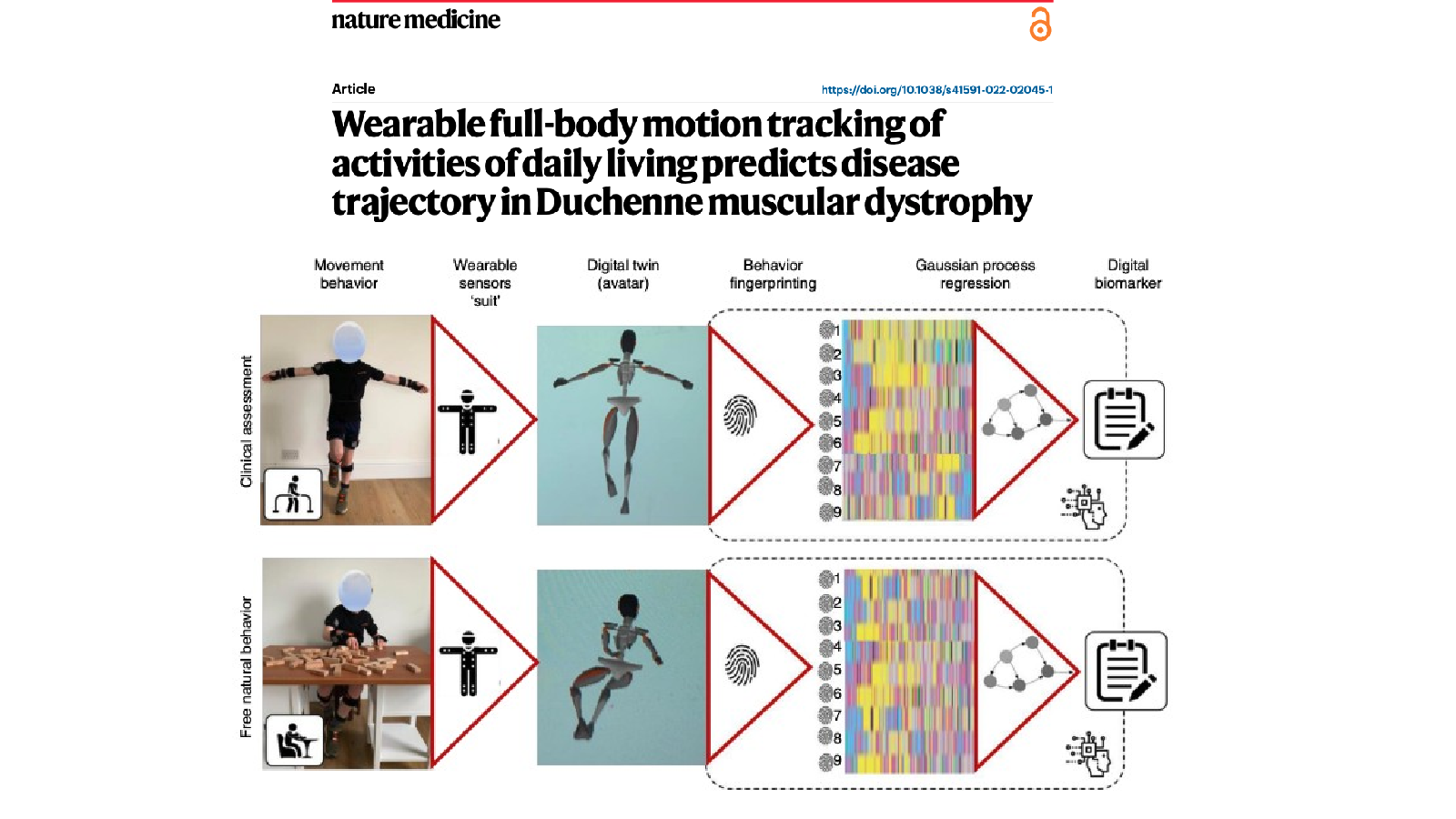
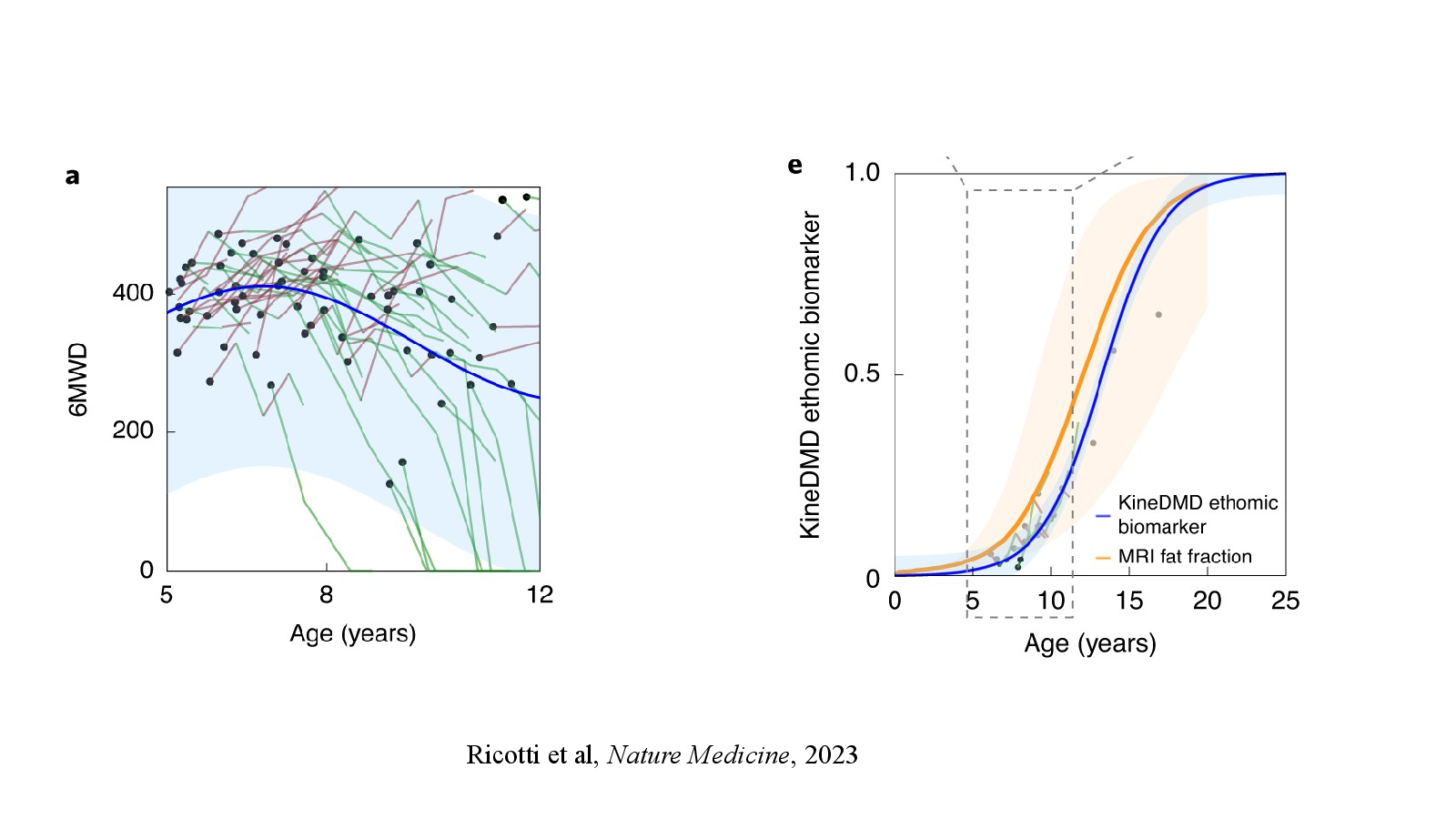
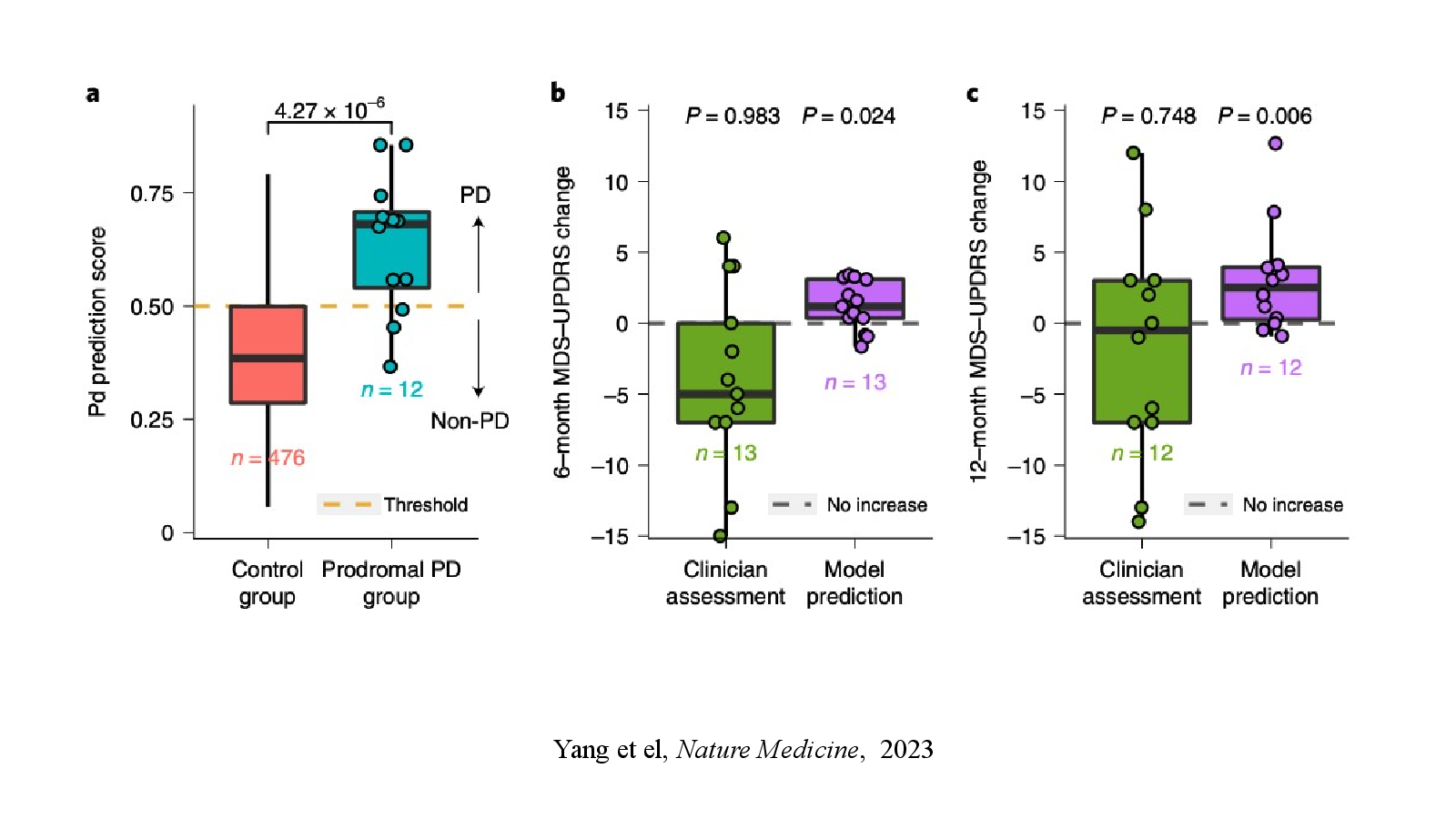
    In summary, this study introduces a novel method of using wearable technology and AI to track and predict the progression of Duchenne muscular dystrophy, offering significant improvements over current methods used in clinical trials and treatment development.

  7. Slide 26

    Han et al, Under Review, https://doi.org/10.1101/2023.09.12.23295381
    Slide 26: Han et al, Under Review, https://doi.org/10.1101/2023.09.12.23295381Open full-size slide

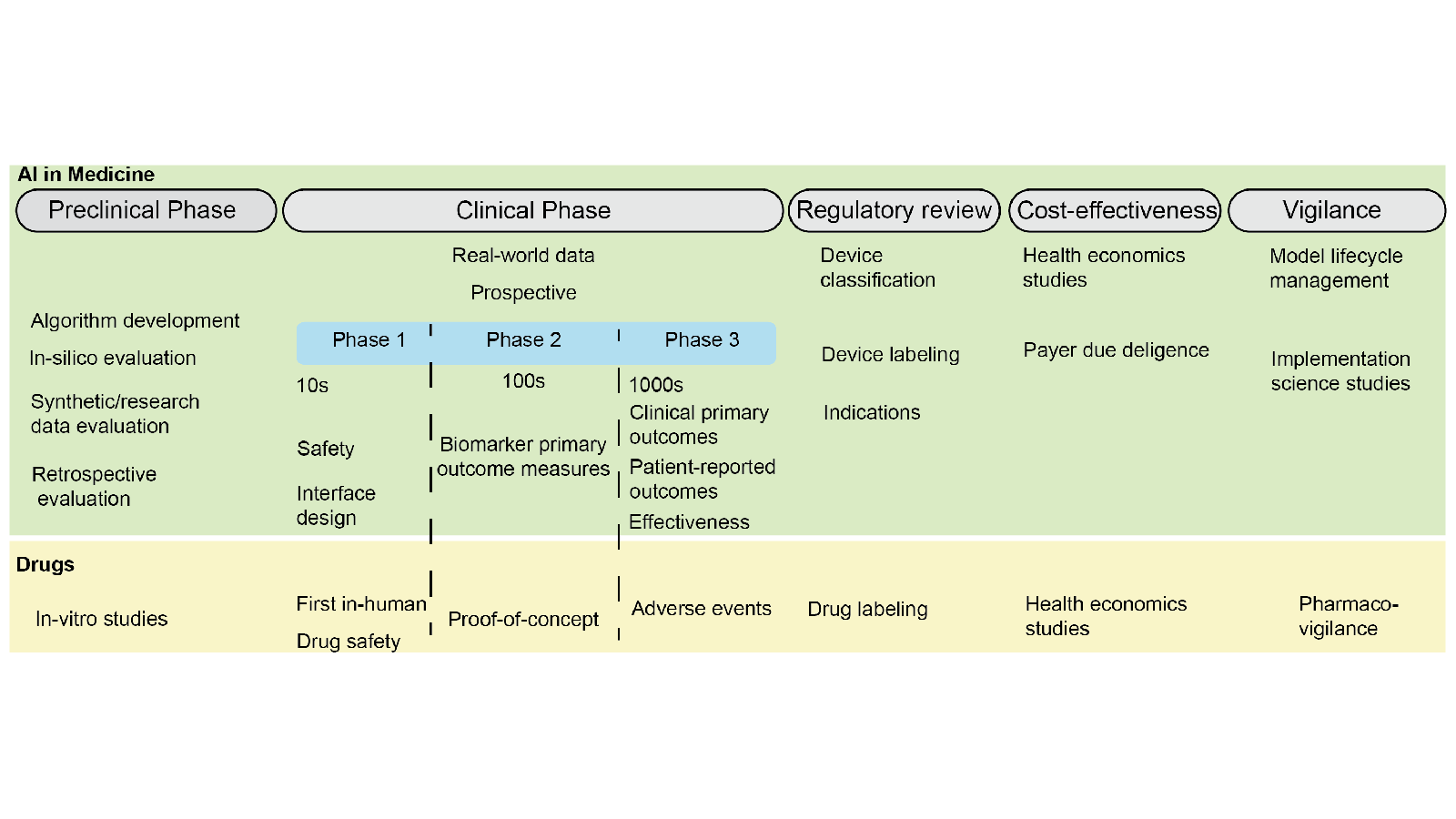
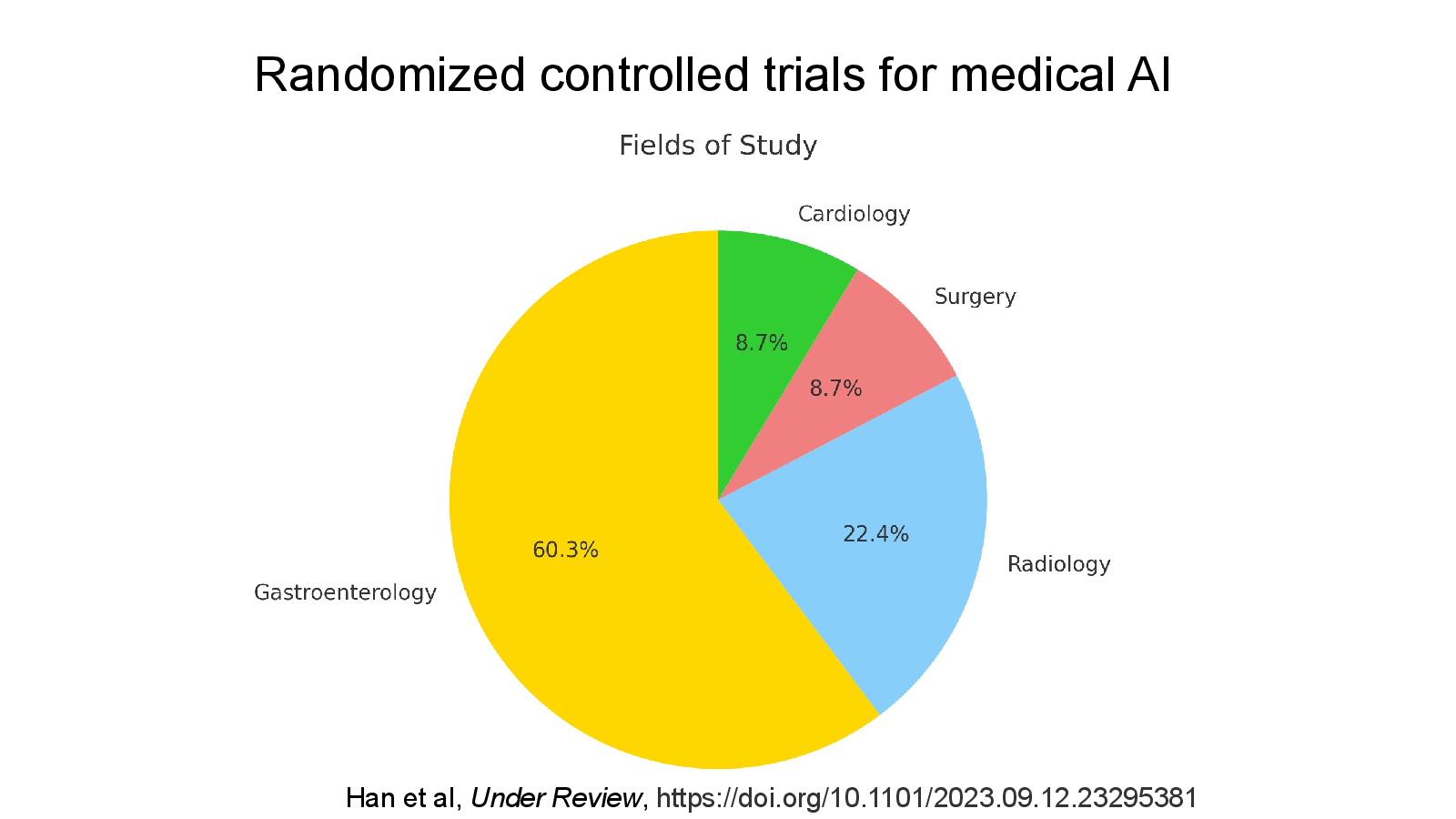
    Randomized controlled trials for medical AI

    Speaker notes

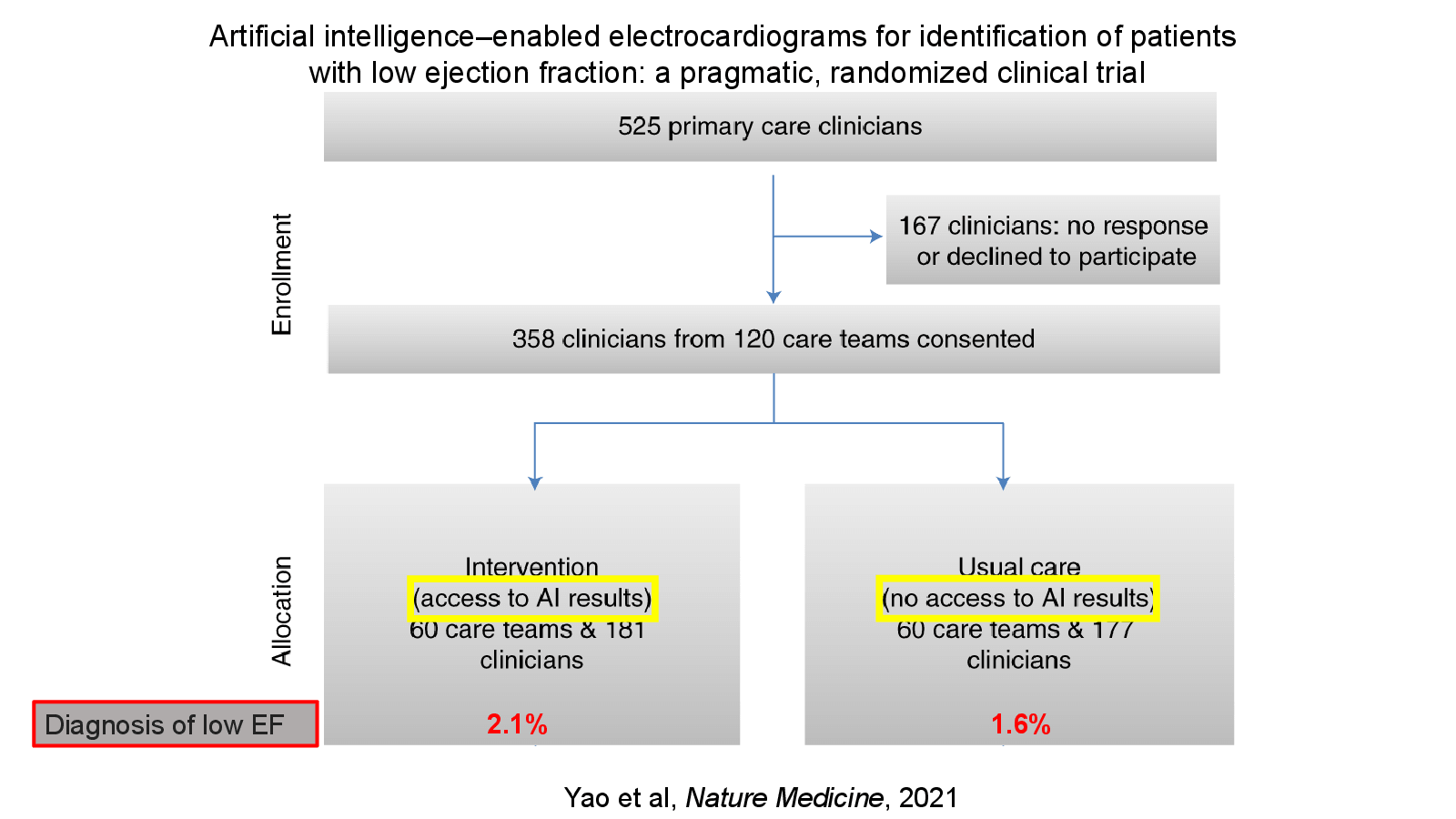
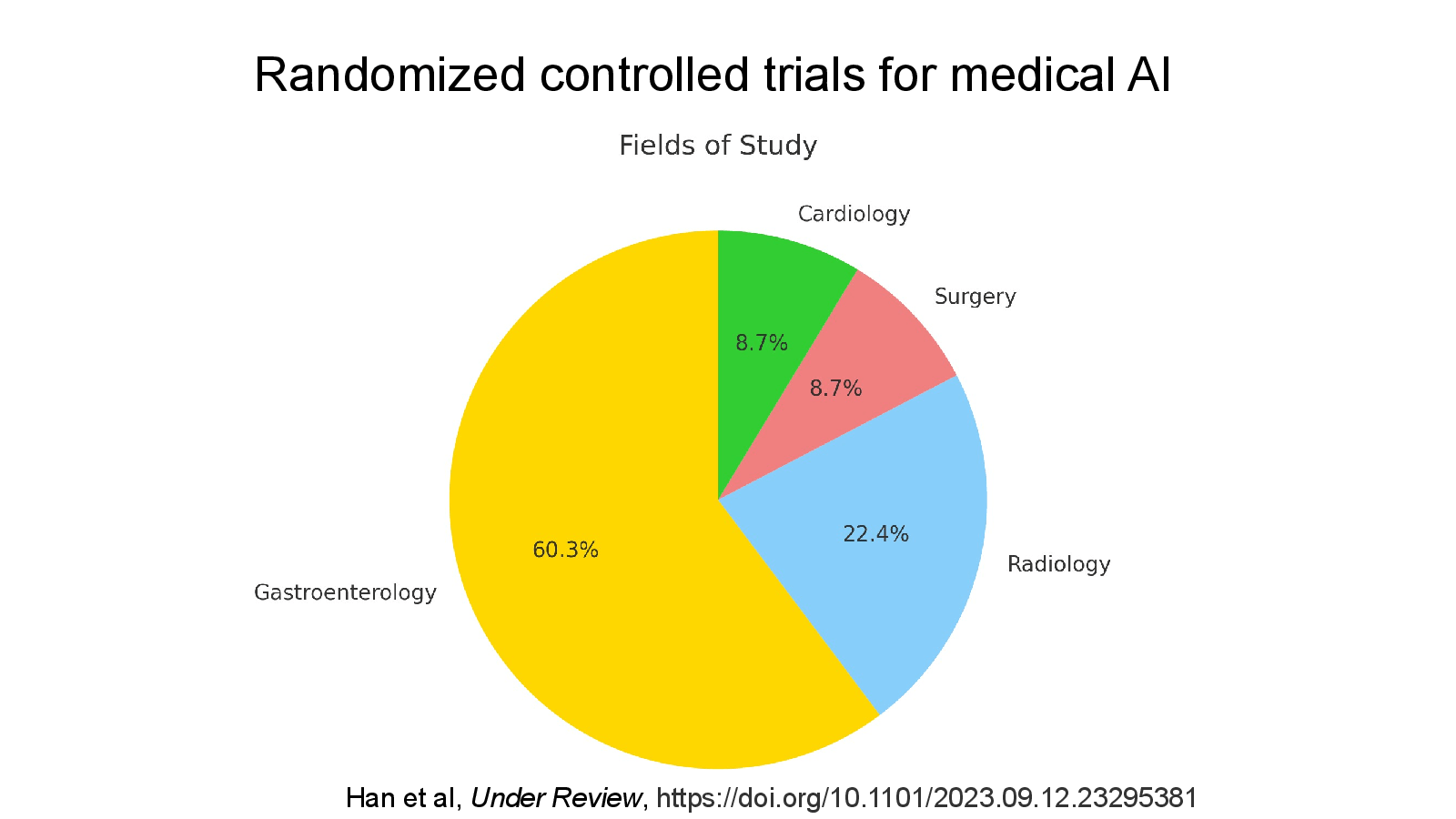
    The paper is a scoping review evaluating the current landscape of randomized controlled trials (RCTs) for artificial intelligence (AI) algorithms used in clinical practice. The authors conducted a systematic search for RCTs published between January 2018 - August 2023, resulting in 84 unique trials included in the analysis. The key findings were:

    • Most trials were in gastroenterology (41.7%), radiology (15.5%), surgery (6%), and cardiology (6%).
    • The US (31%) and China (28.6%) had the most trials, with most being single-center studies.
    • 54.8% of trials had primary endpoints related to diagnostic accuracy. Other endpoints assessed care management, patient outcomes, and clinical decision making.
    • 82.1% of trials reported positive results for their primary endpoint, suggesting AI’s potential to improve healthcare. However, publication bias is likely.
    • Most models were deep learning systems for medical imaging, particularly video analysis. Models for structured data used various techniques like neural networks.
    • Industry developed most models (56%), followed by academia (39.3%). Models were commonly evaluated in an assistive setup with clinicians.

    Page 2: Key implications and limitations:

    • Need for more multi-center and international trials to ensure generalizability of models across diverse populations and settings.
    • Focus has been on technical performance, but impact on patient outcomes needs more assessment through endpoints like survival, symptoms, need for treatment.
    • High reported success rate indicates promise of AI but is likely inflated by publication bias and lack of comprehensive, multi-center studies.
    • Homogeneity of studies/models indicates immaturity of the field. More variety needed in research groups, interventions, outcomes assessed.
    • Understanding of AI’s limitations requires focus on unsuccessful trials and models.

    In conclusion, the review reveals expanding interest in clinical AI trials across many fields and geographies. While most find positive results, publication bias is likely. More comprehensive research is essential to fully understand AI’s impact and limitations in healthcare. Key gaps include multi-center trials, clinically meaningful endpoints, and unsuccessful models.

    References