Conference ·
Transforming multiple sclerosis care using AI: prospects and challenges
How data-driven disease classification could sharpen MS research, and why translation still needs stronger clinical evidence.
The BRAIN Conference 2024 · Royal Geographical Society, London
- Delivered
- Event
- The BRAIN Conference 2024
- Place
- Royal Geographical Society, London
- Format
- Conference
- Published deck
- 22 slides
From the slides
Deck notes
This talk considered where artificial intelligence might change multiple sclerosis care, using disease classification as a practical example. It also examined the distance between promising research and routine clinical use.
The question
Can AI move MS classification closer to disease biology while producing evidence that is useful to patients and clinicians?
Deck outline
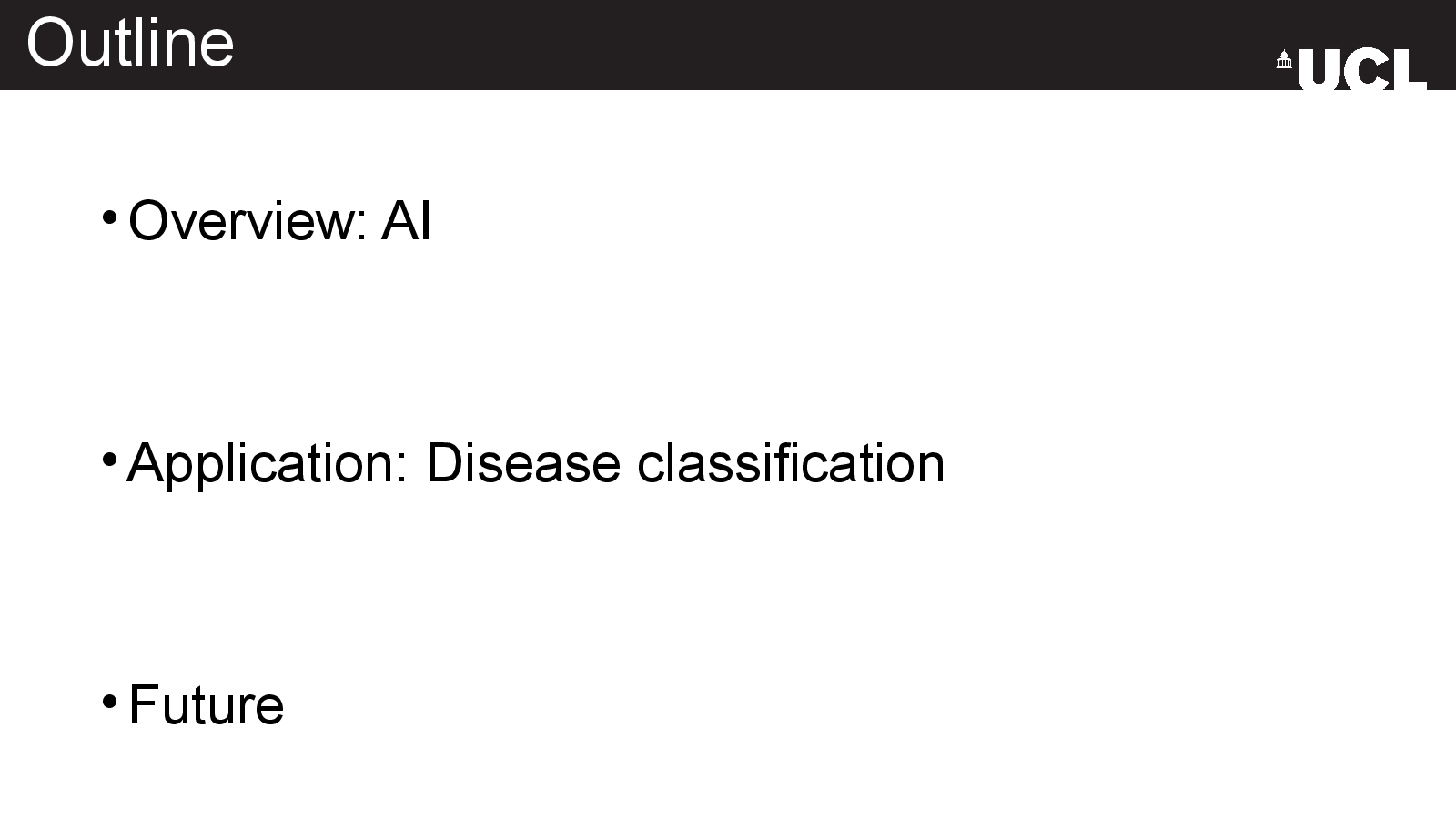
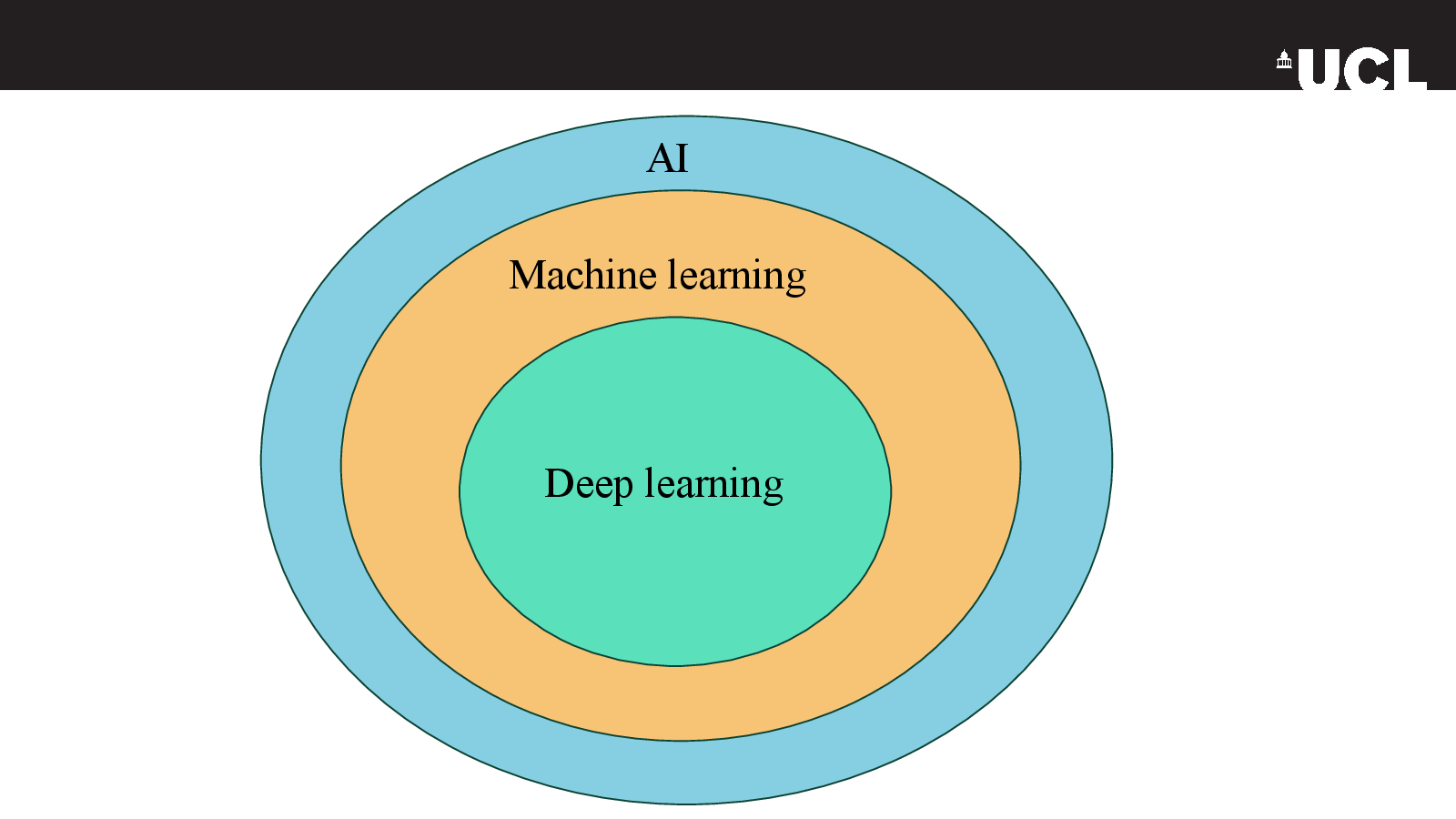
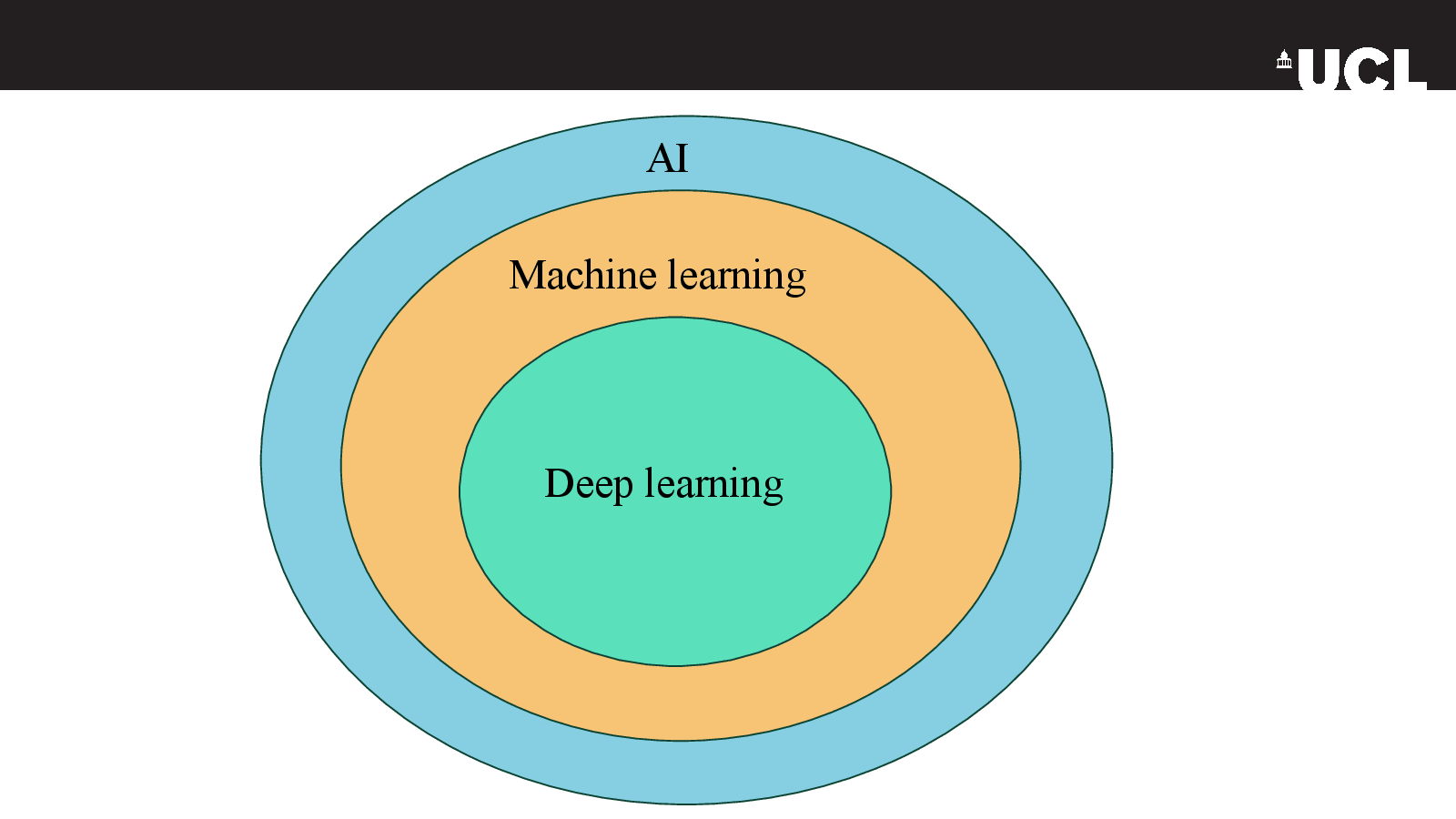
- A working distinction between artificial intelligence, machine learning and deep learning
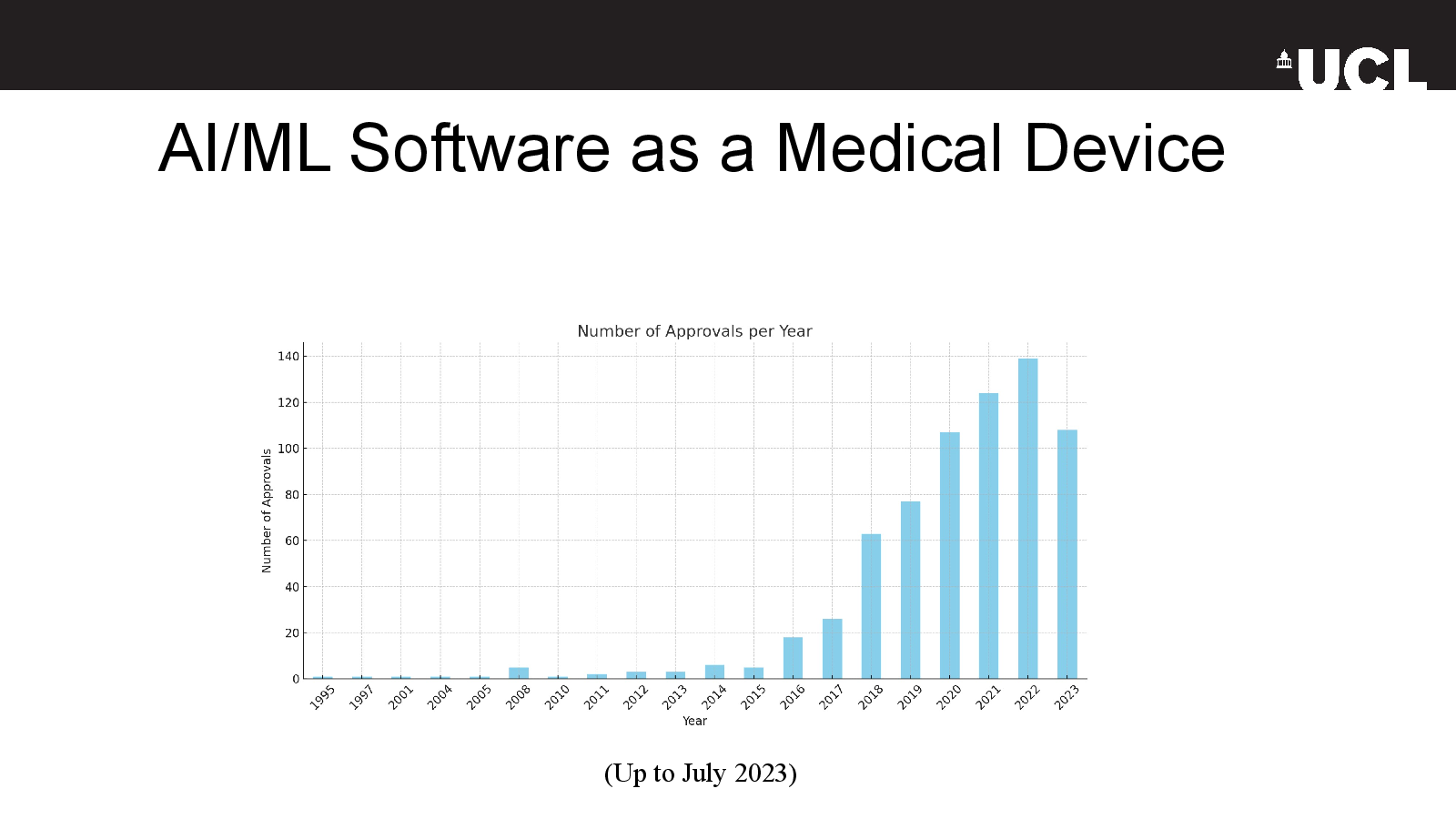
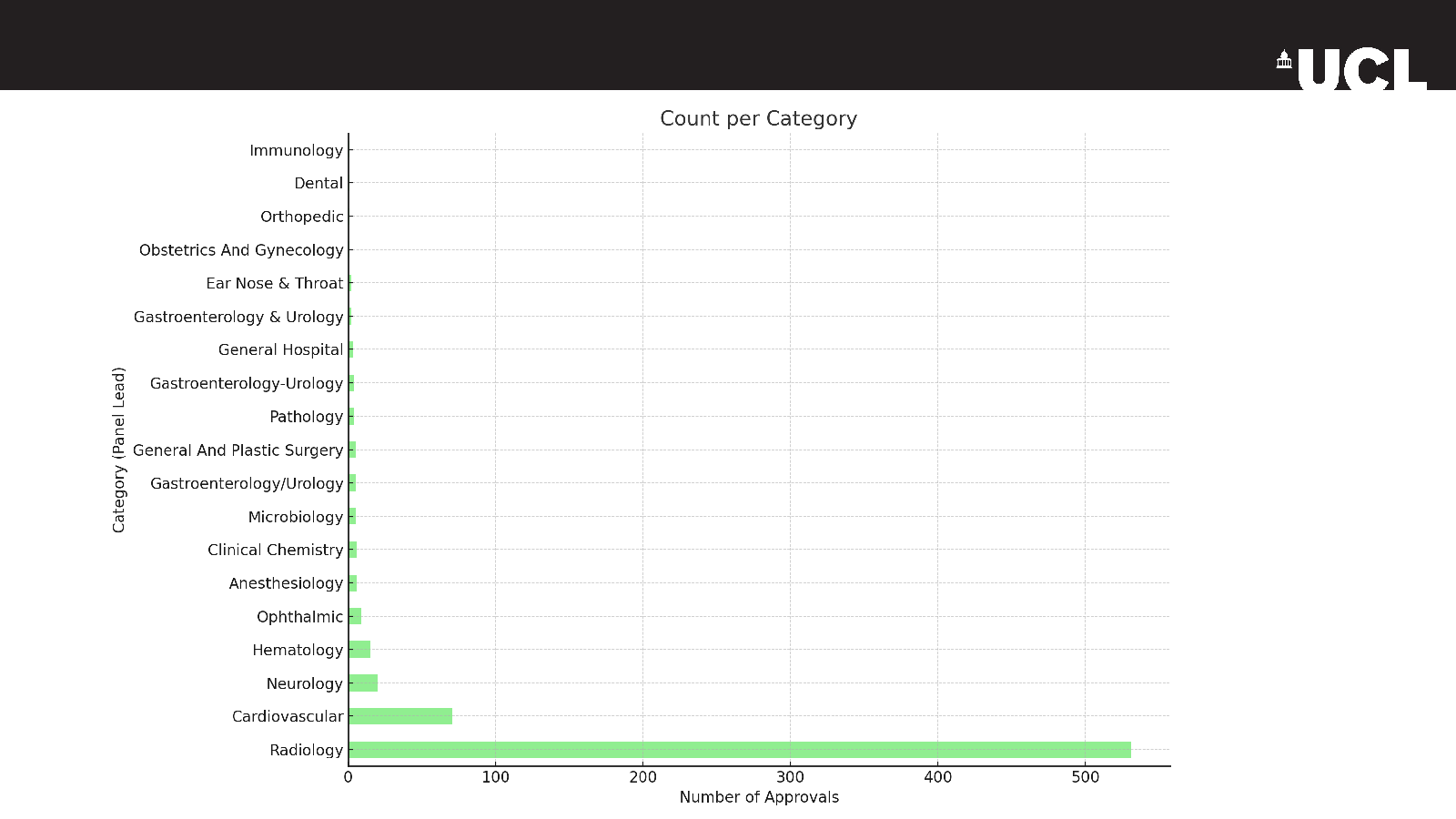
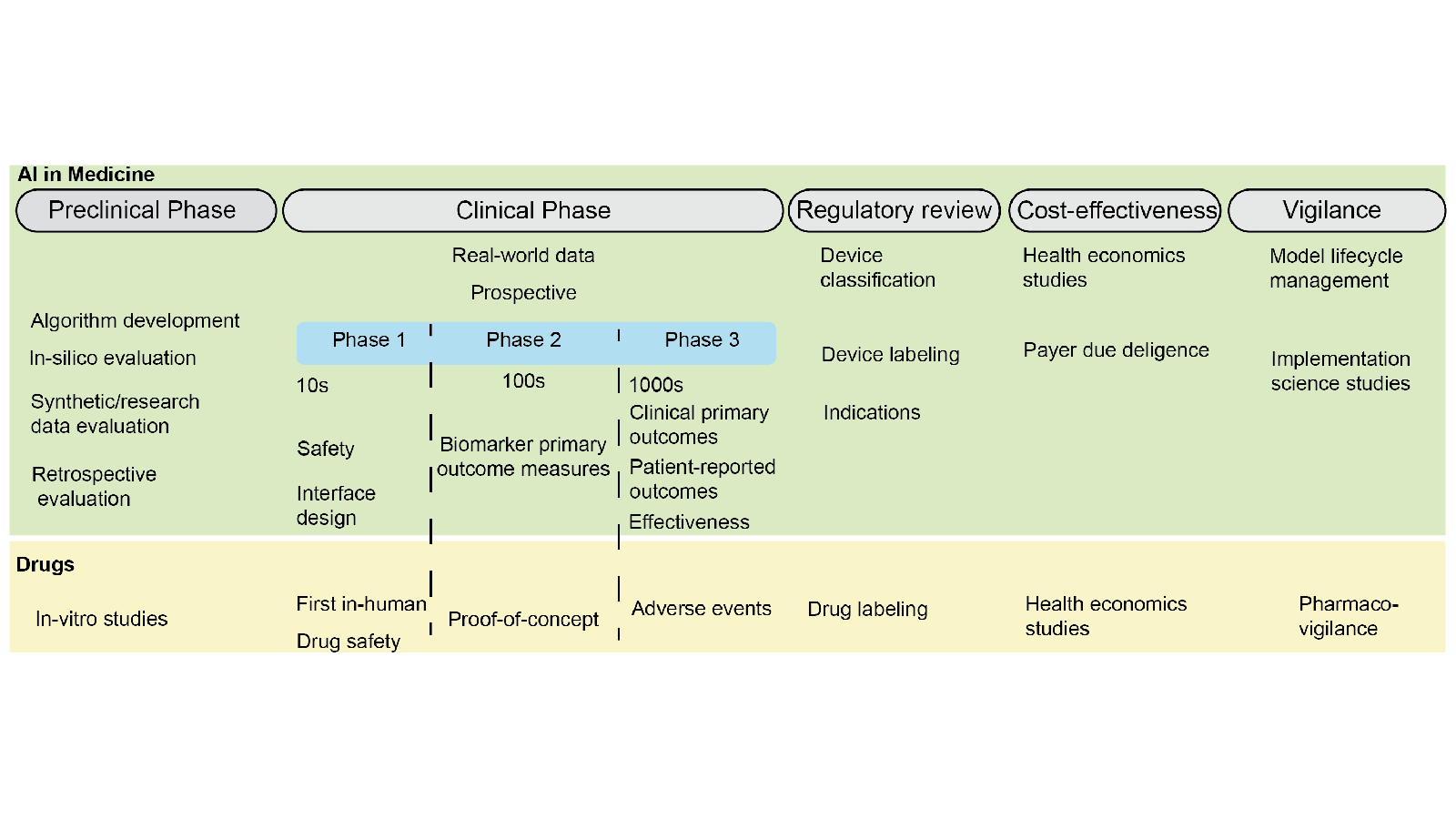
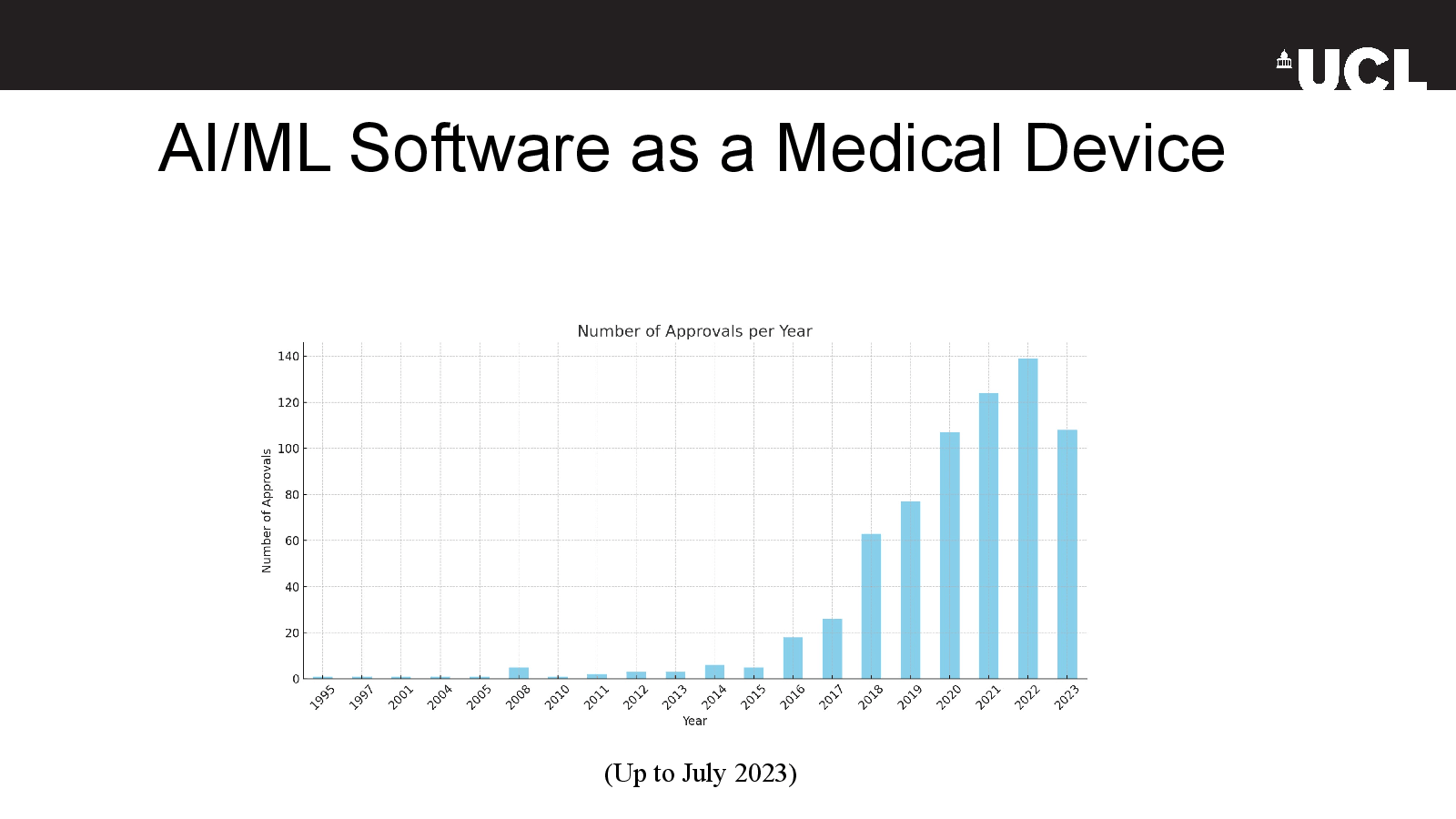
- The clinical and regulatory landscape for AI-based medical software
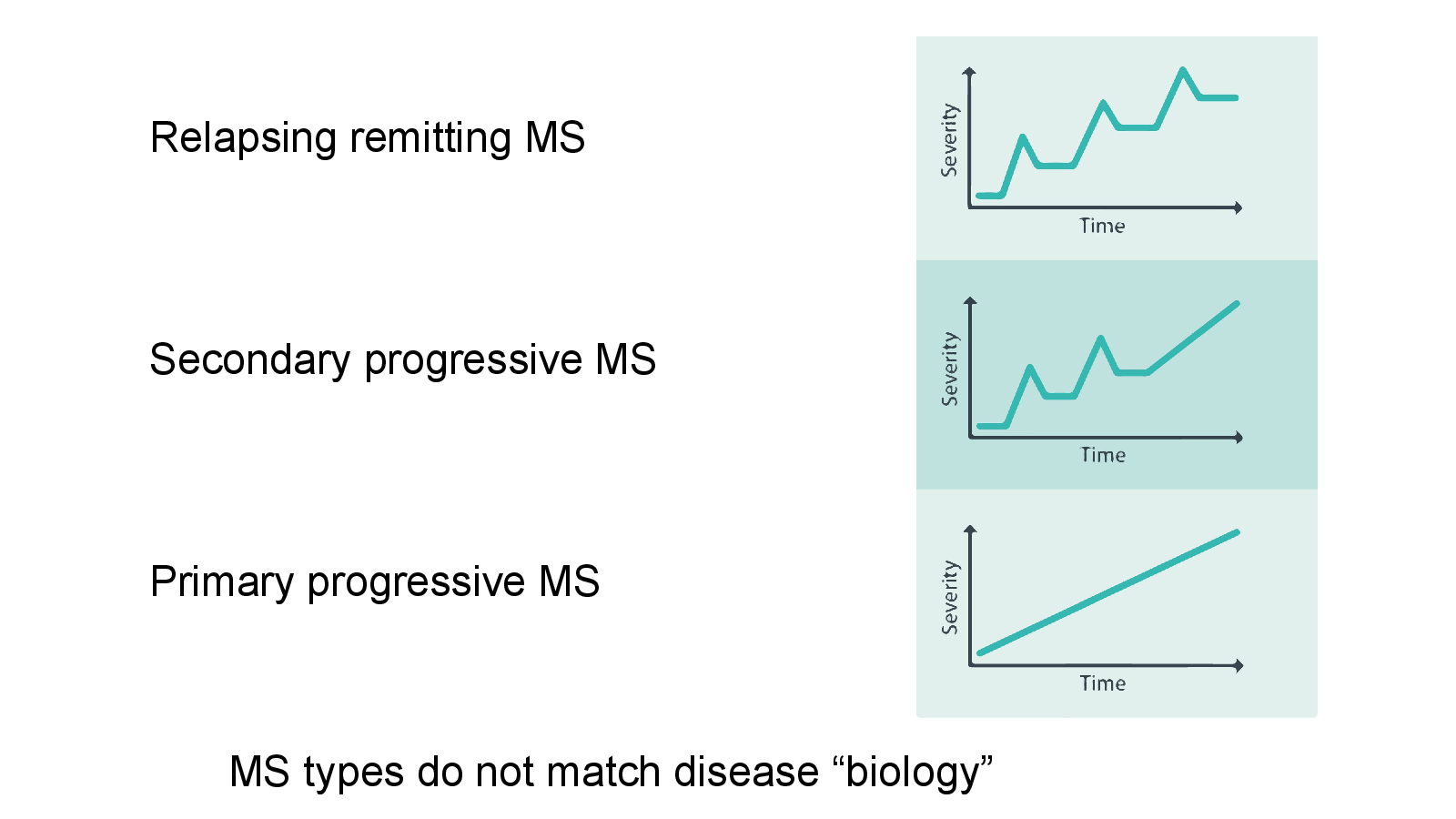
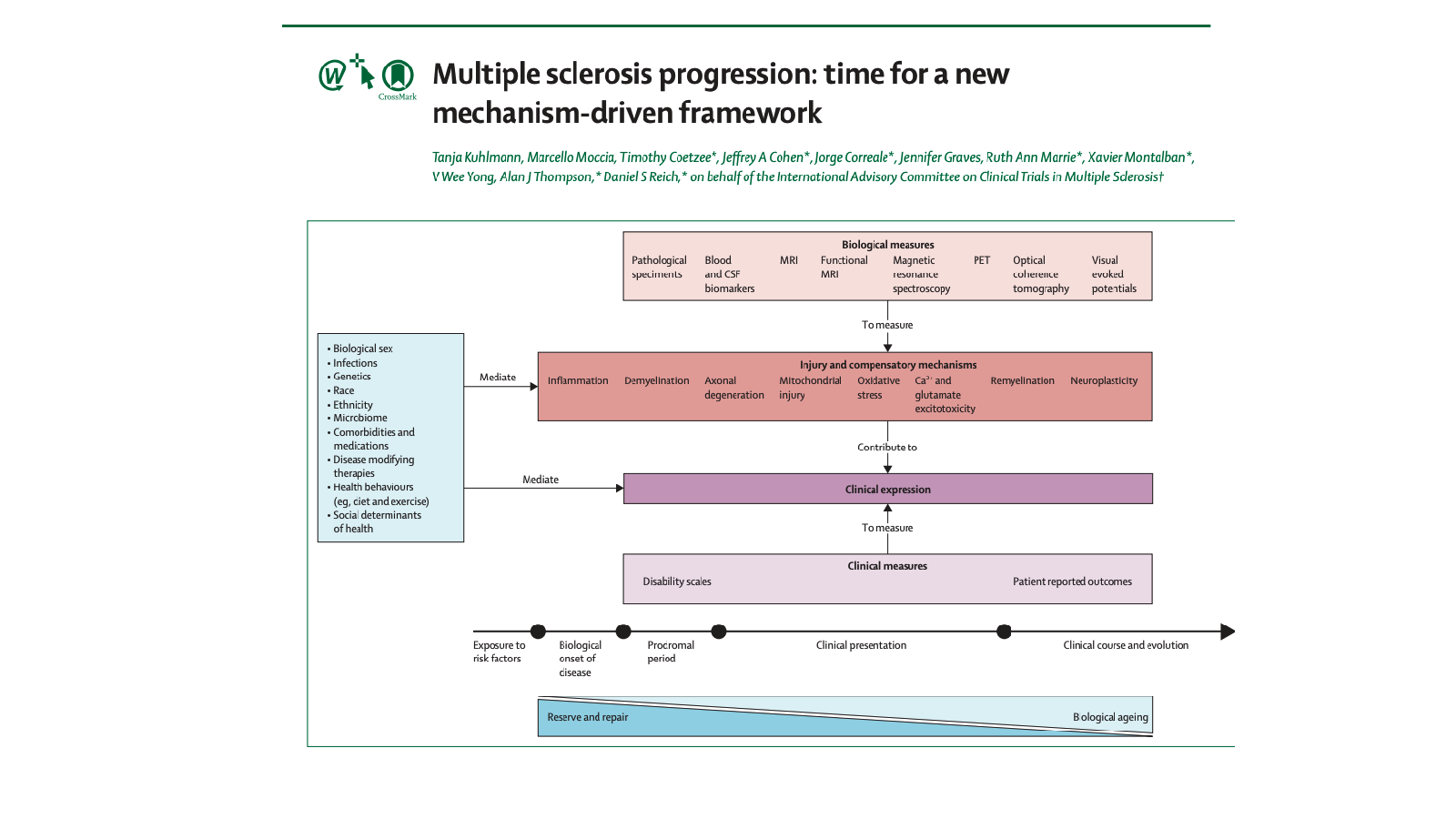
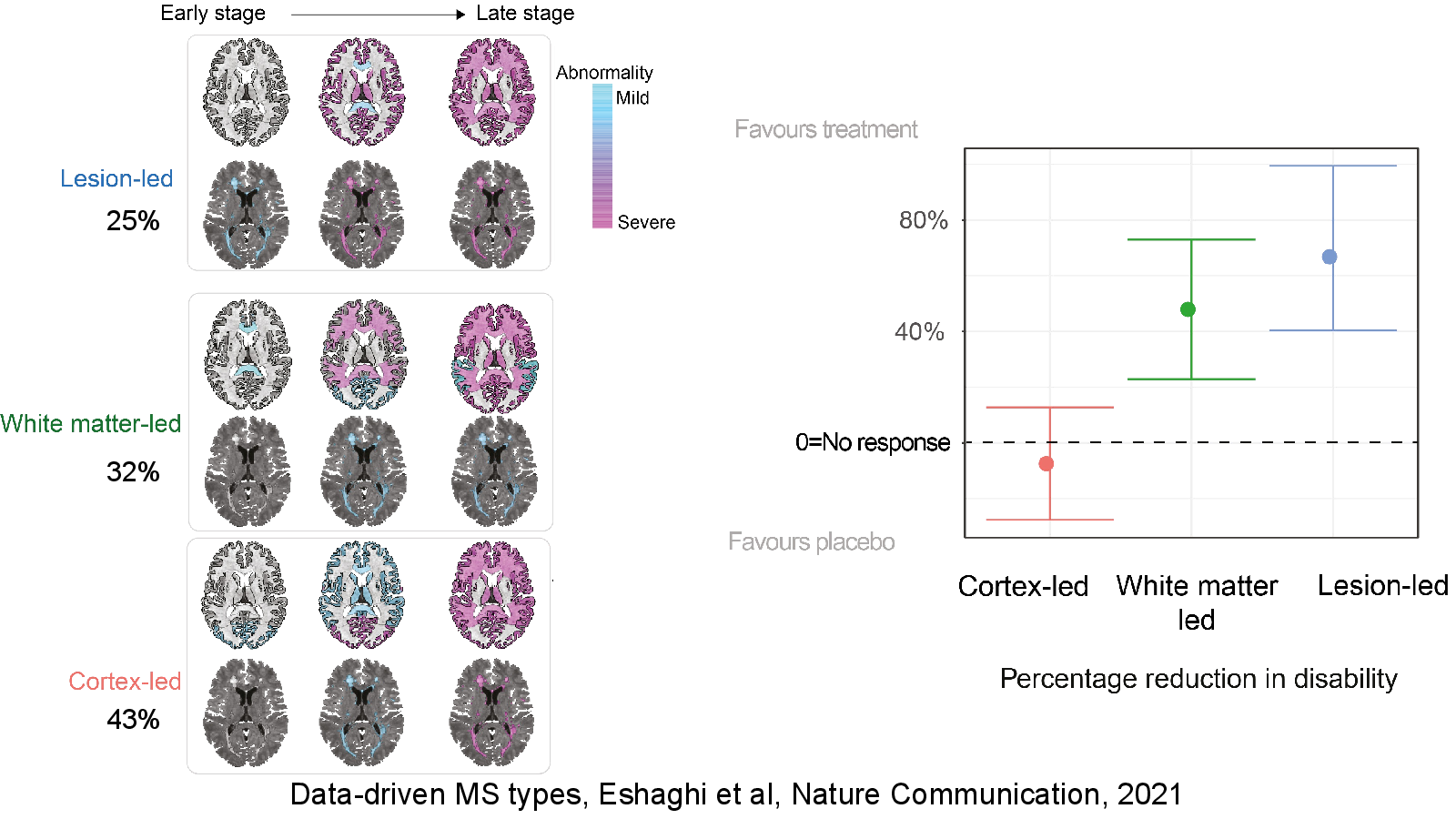
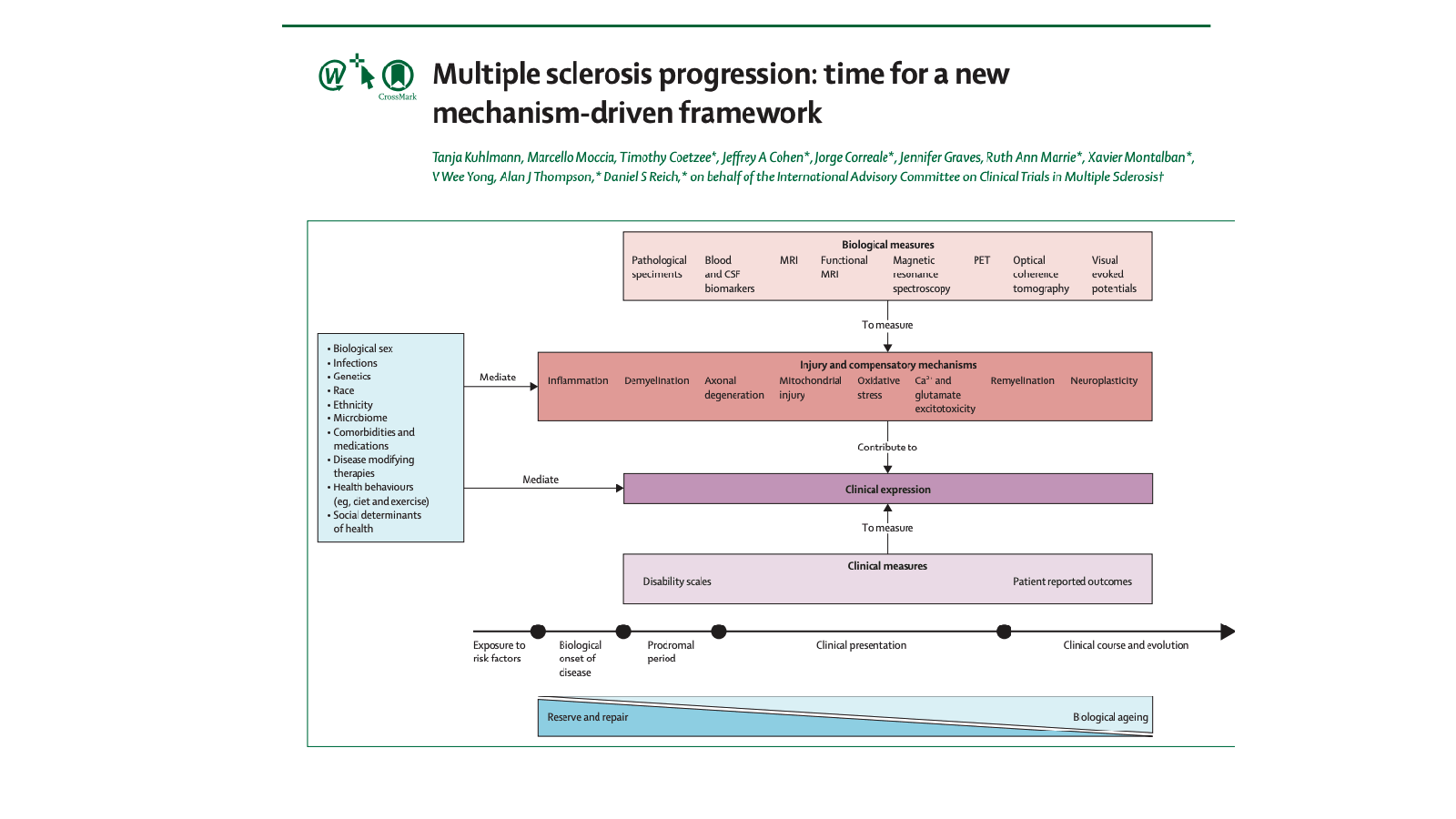
- Why conventional clinical MS types do not fully reflect disease biology
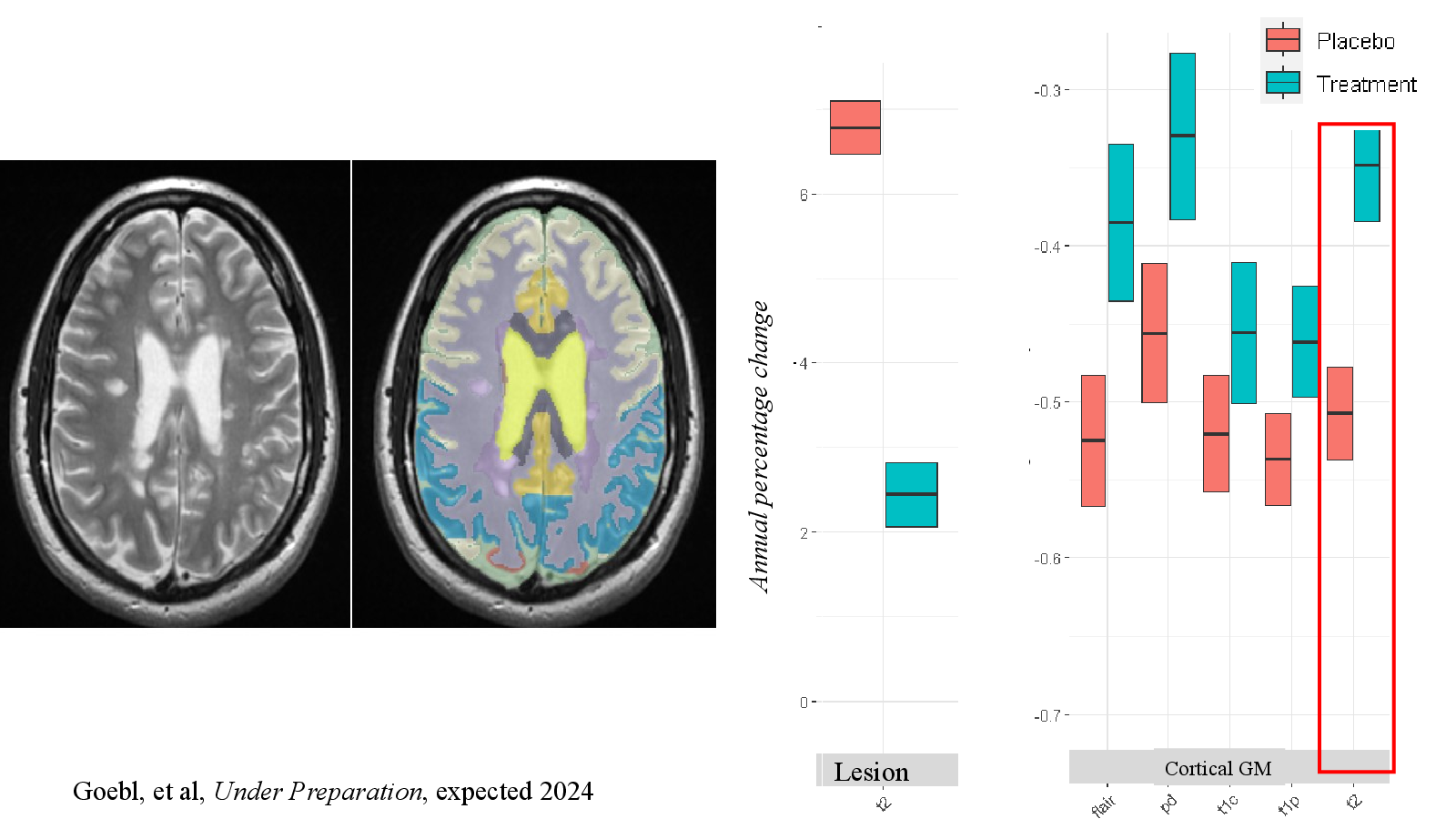
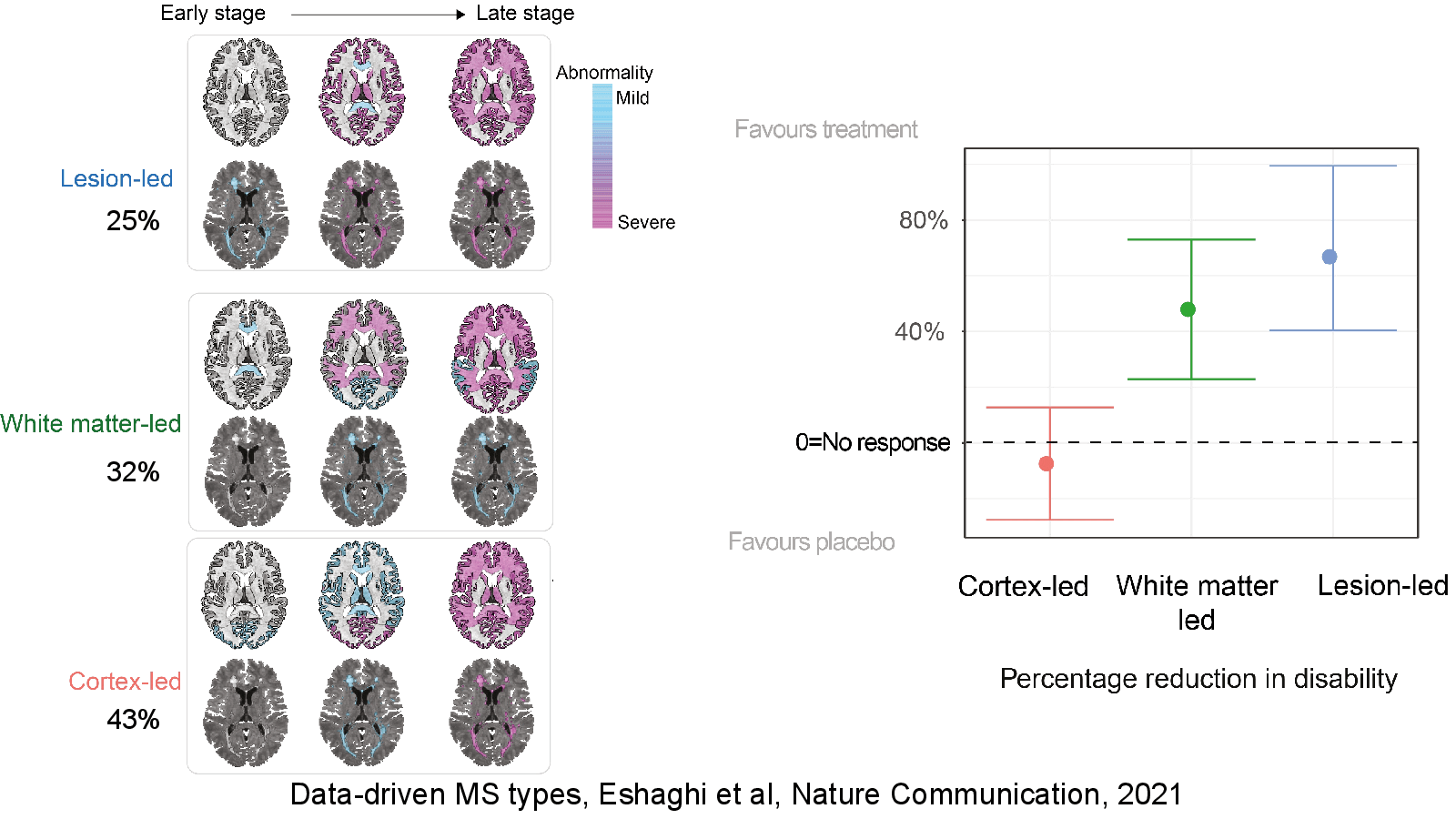
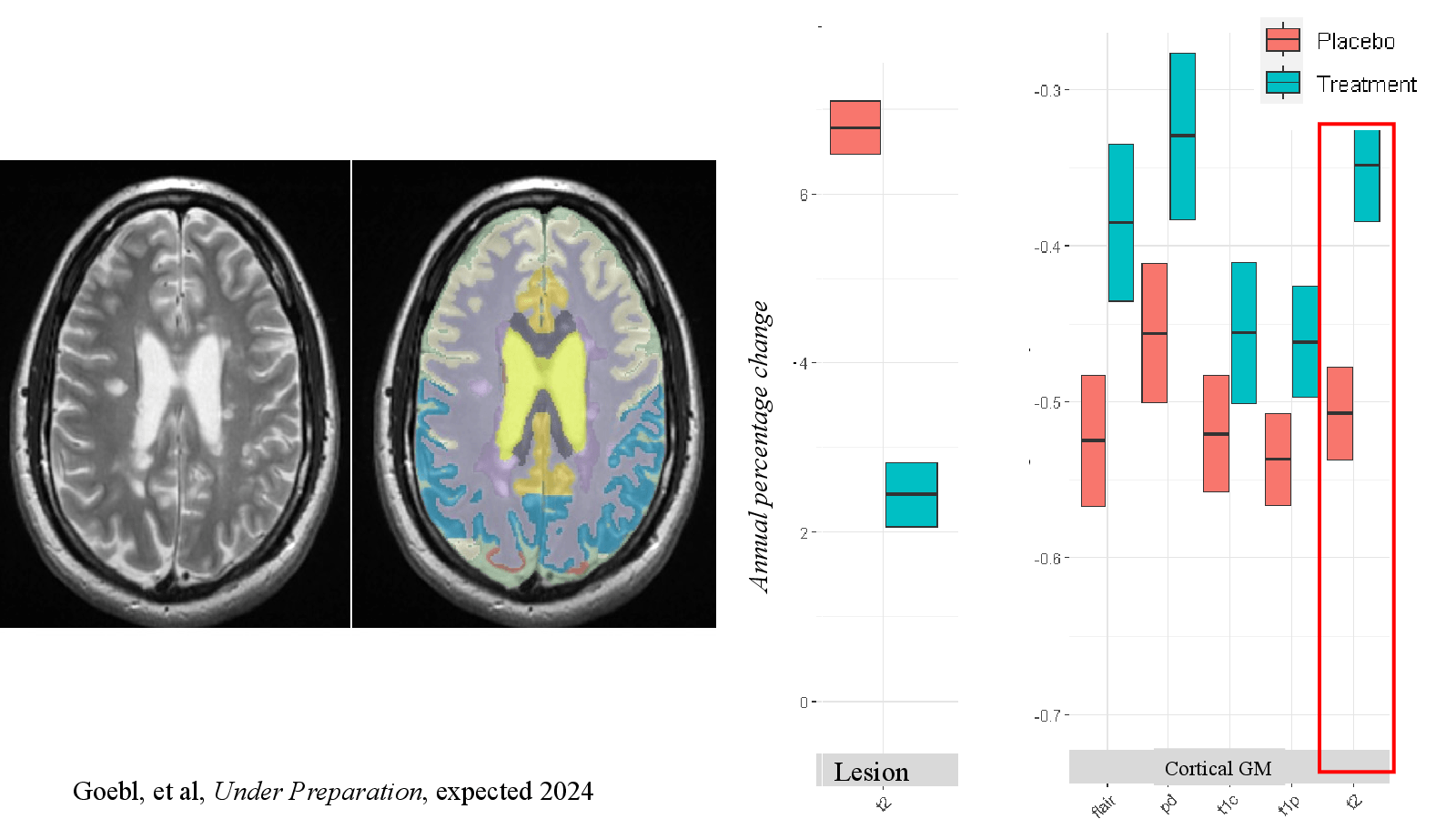
- Data-driven MRI subtypes and single-sequence image analysis
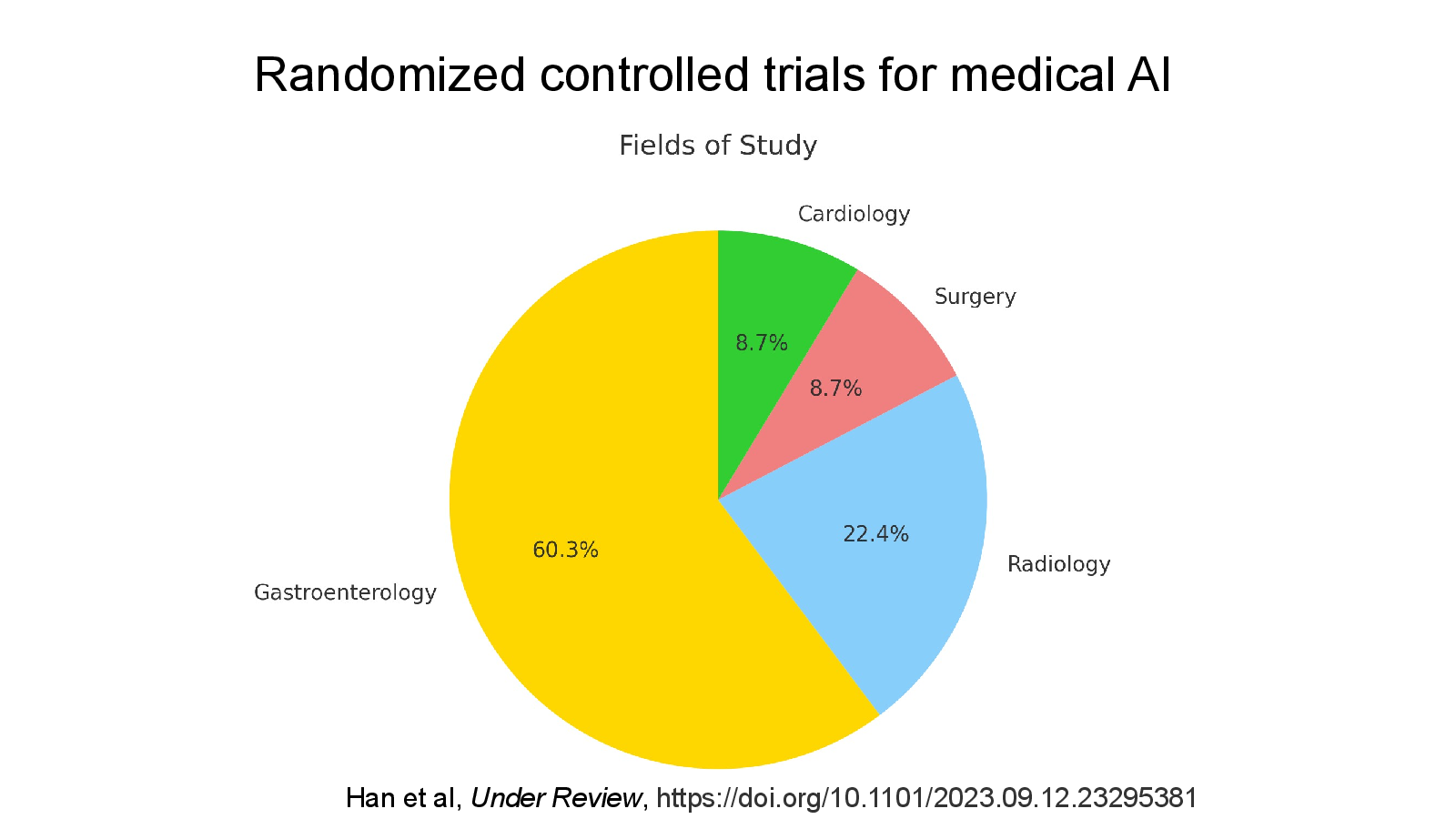
- Lessons from randomised evaluations of medical AI
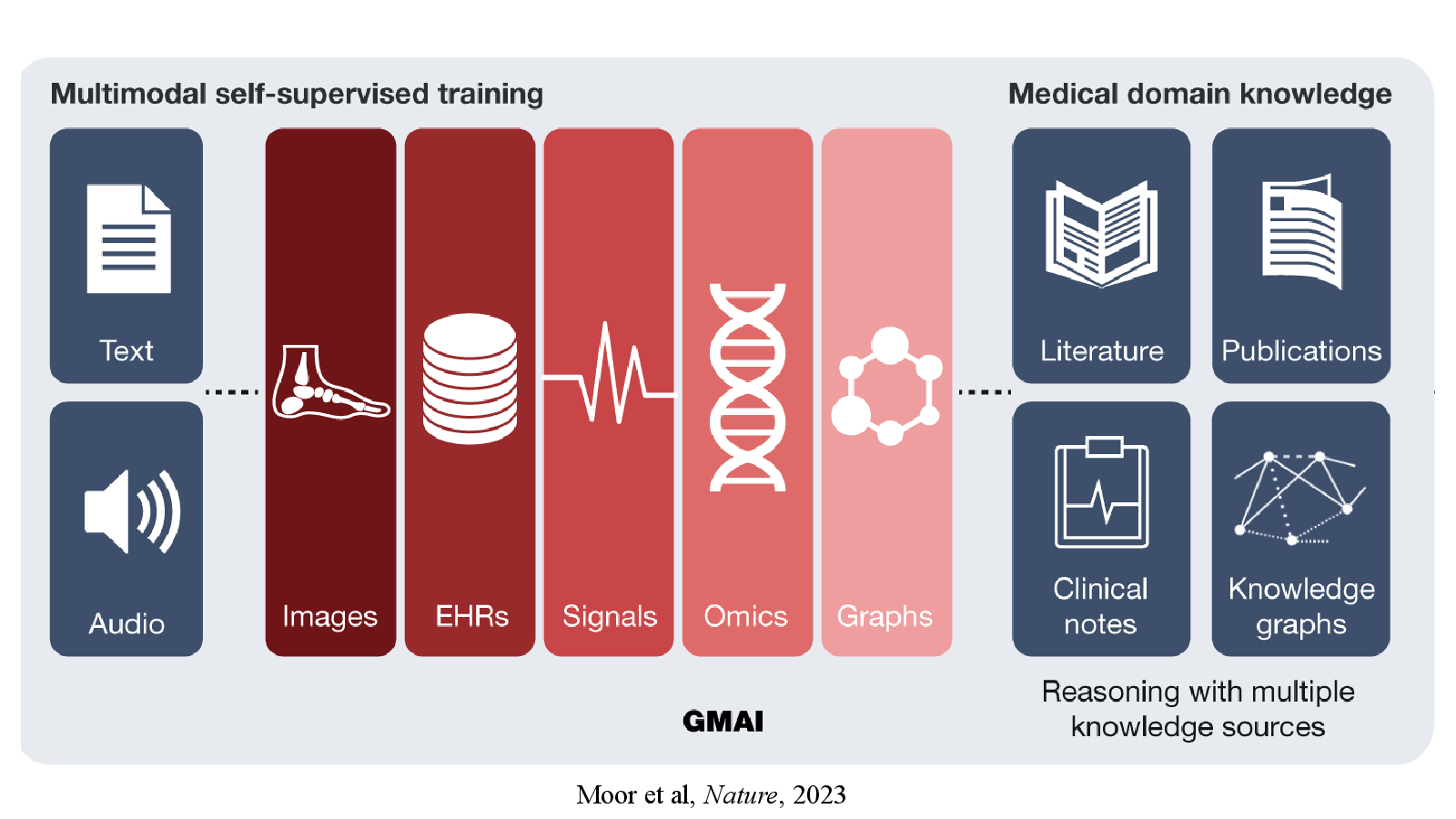
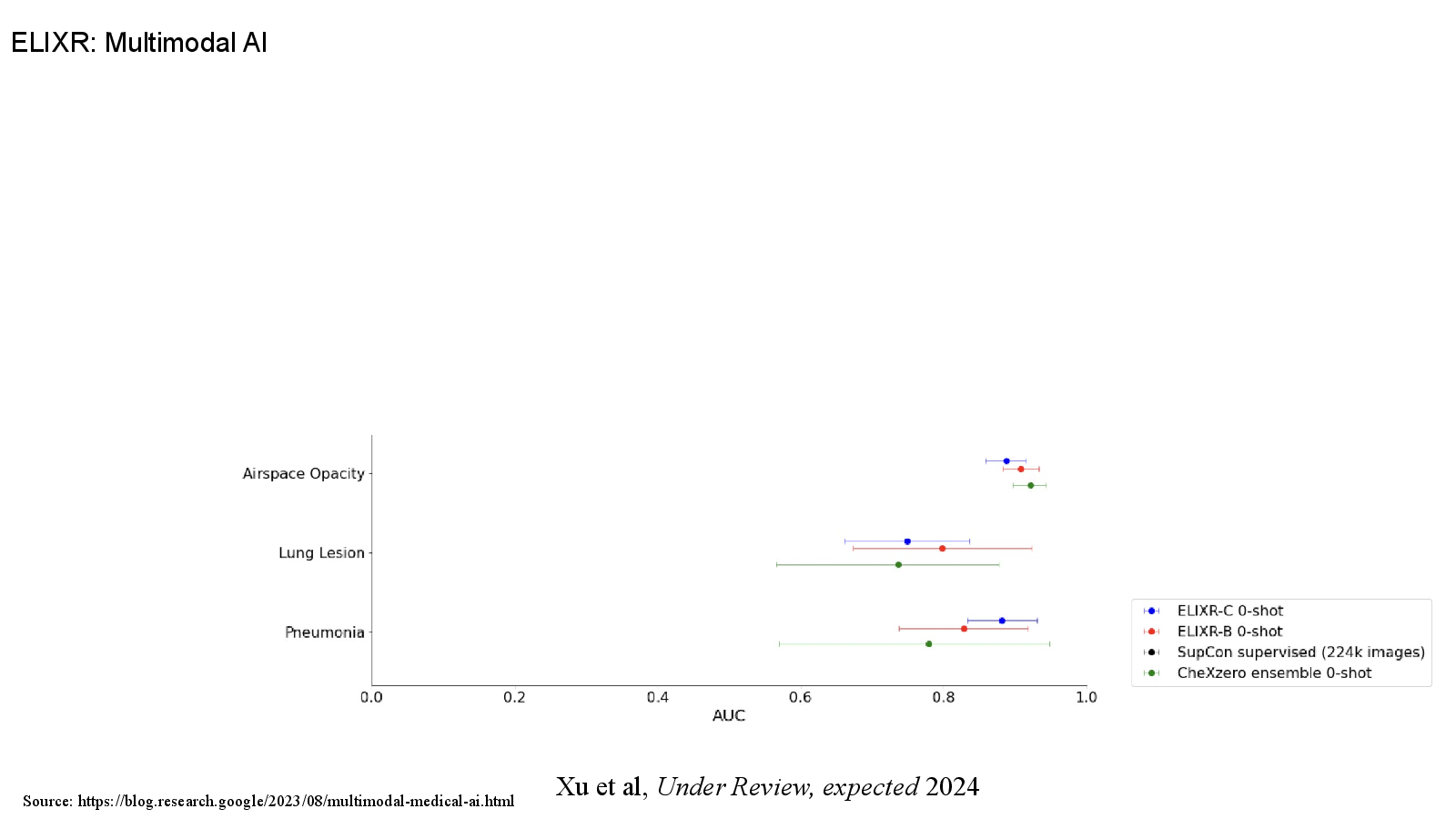
- Multimodal systems, bias and the path to clinical translation
Take-away
AI can reveal patterns that conventional labels miss, but classification alone is not clinical impact. Translation depends on representative data, prospective evaluation and evidence that an AI-supported decision improves care.
Original deck
Slide by slide
Read the 22-slide presentation in order, or use the index to jump.
Slide 01
Transforming multiple sclerosis care using AI: Prospects and challenges
Slide 02
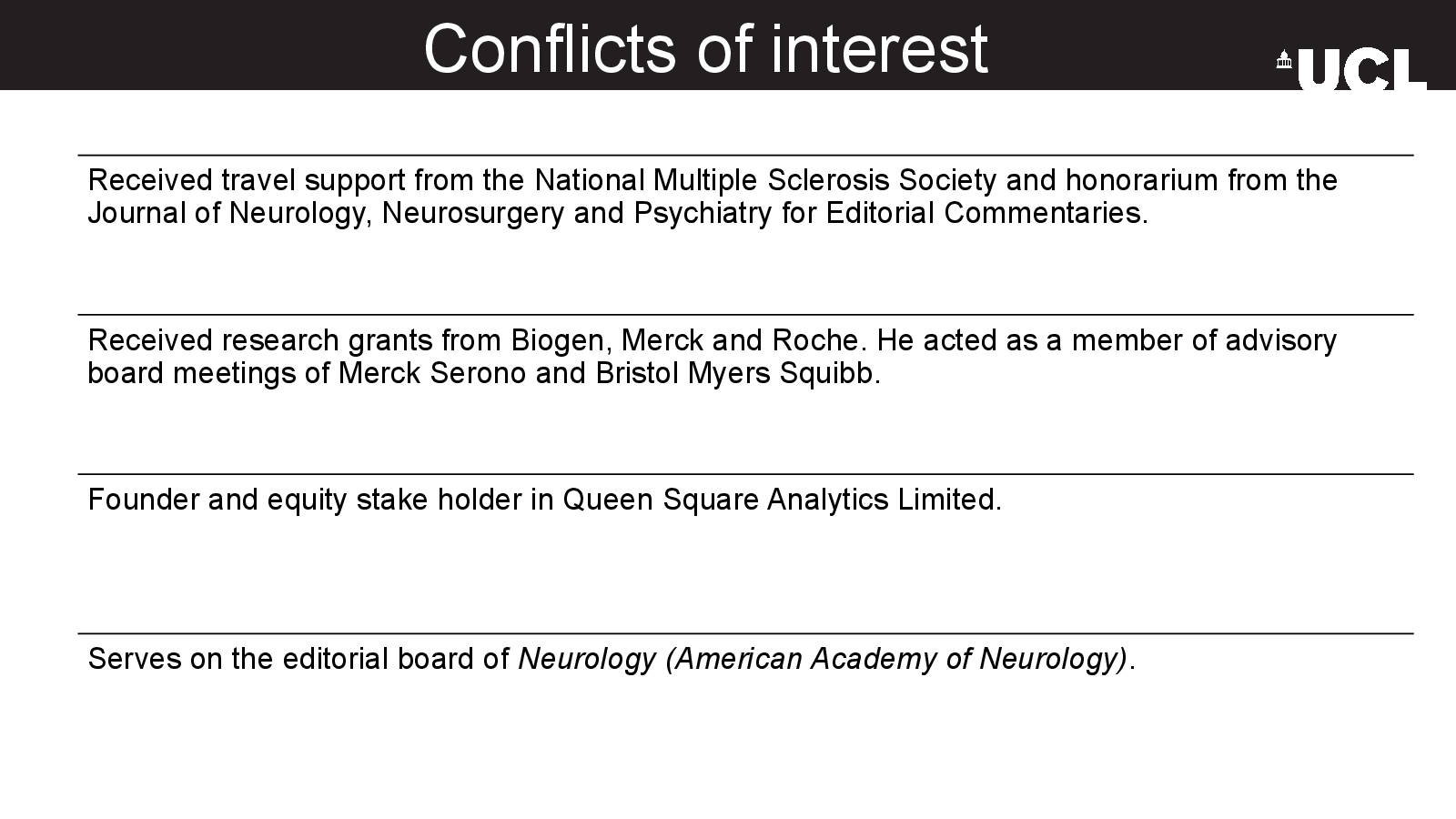
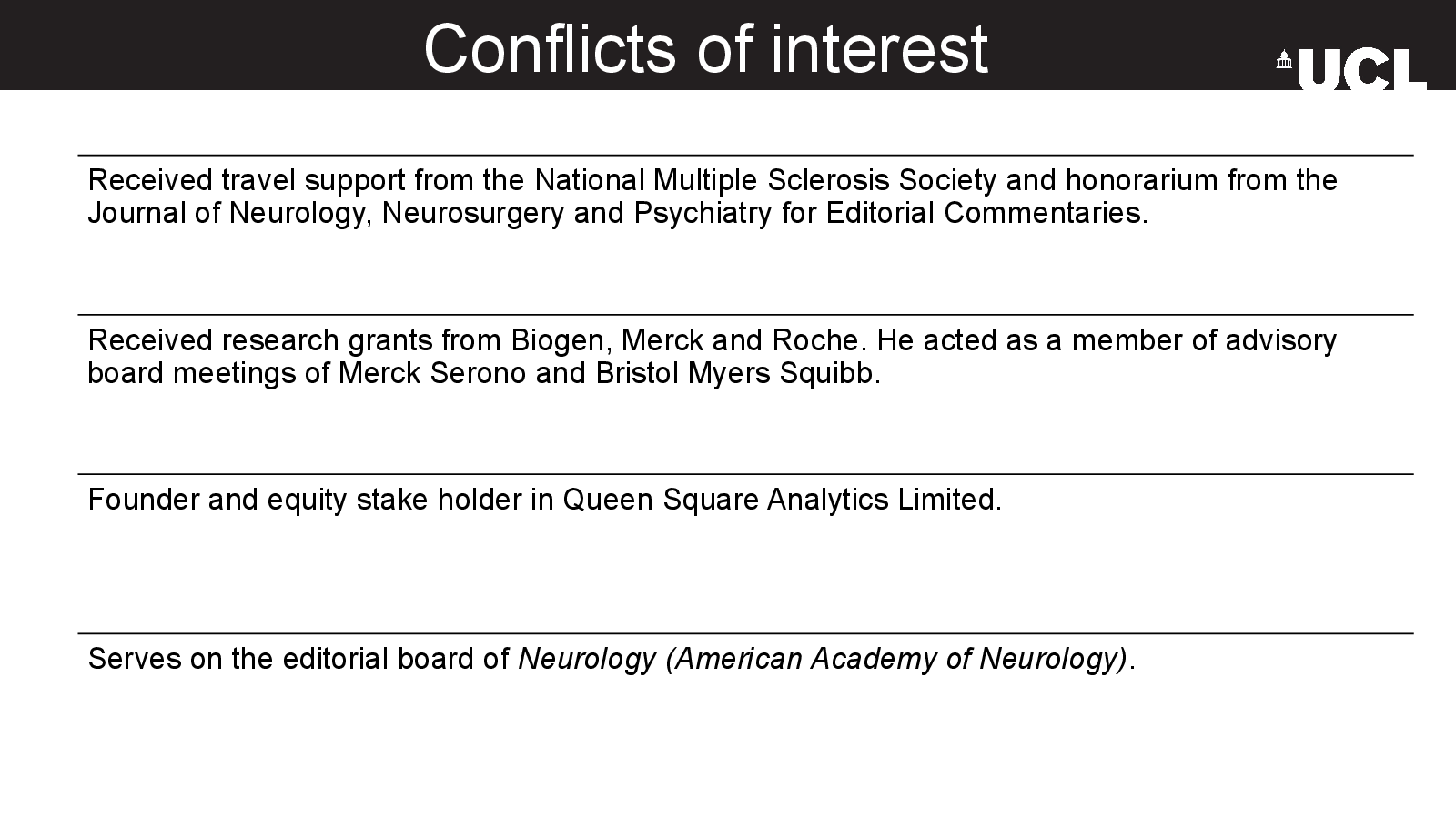
Conflicts of interest
Slide 03
Outline
Slide 04
Machine learning
Slide 05
Slide 5
Slide 06
AI/ML Software as a Medical Device
Slide 07
Slide 7
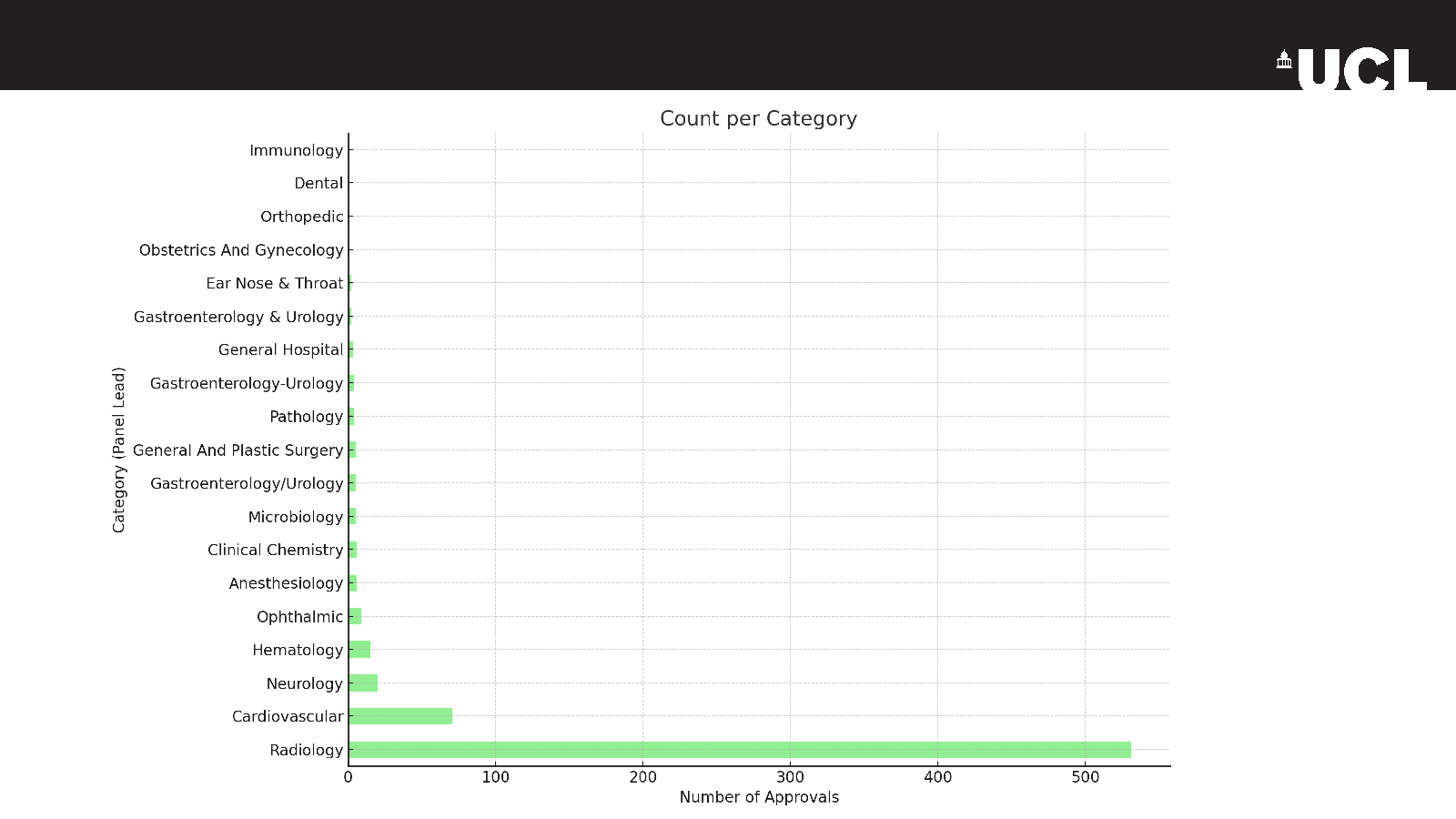
Slide 08
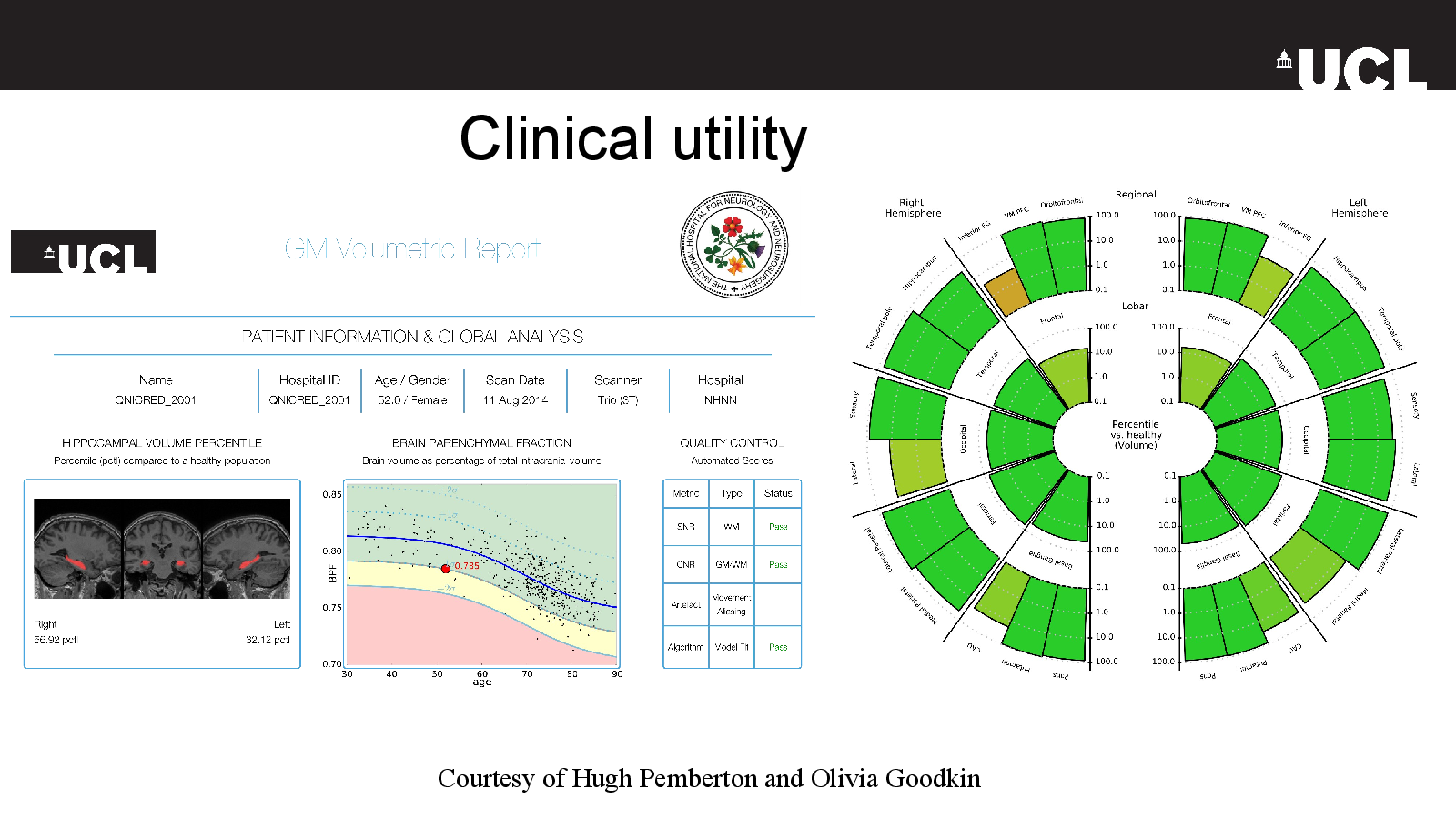
Clinical utility
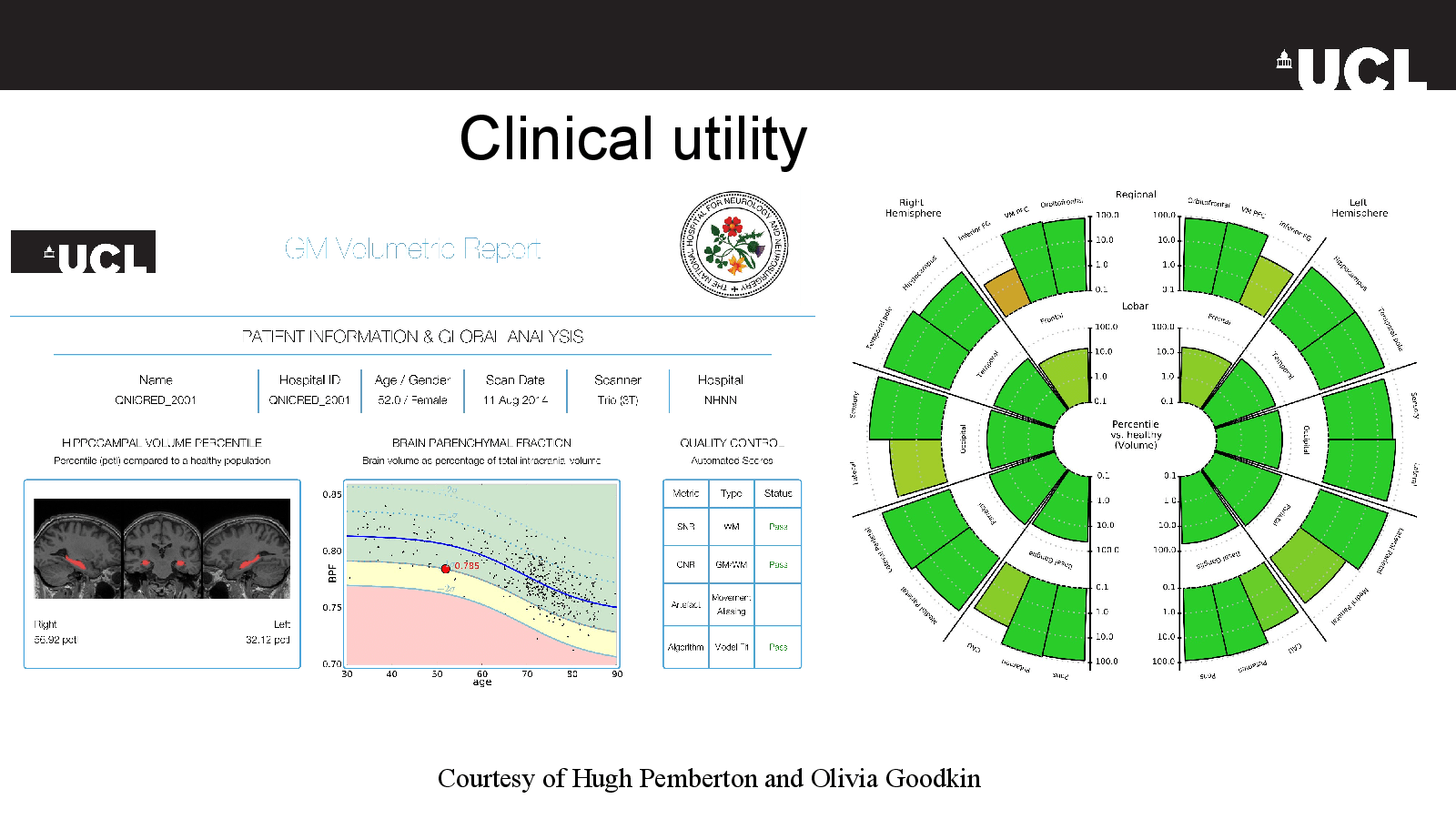
Slide 09
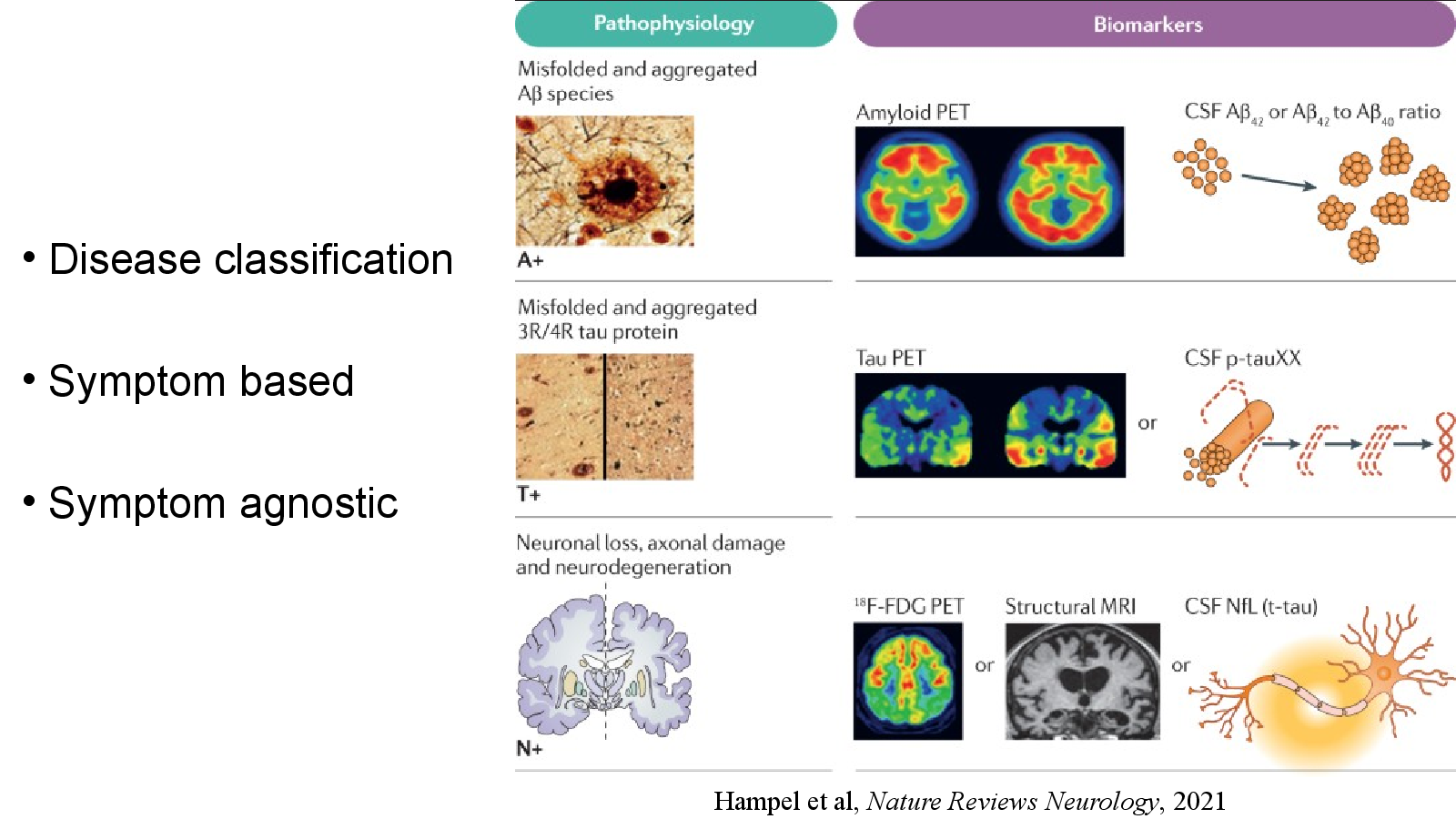
Hampel et al, Nature Reviews Neurology, 2021
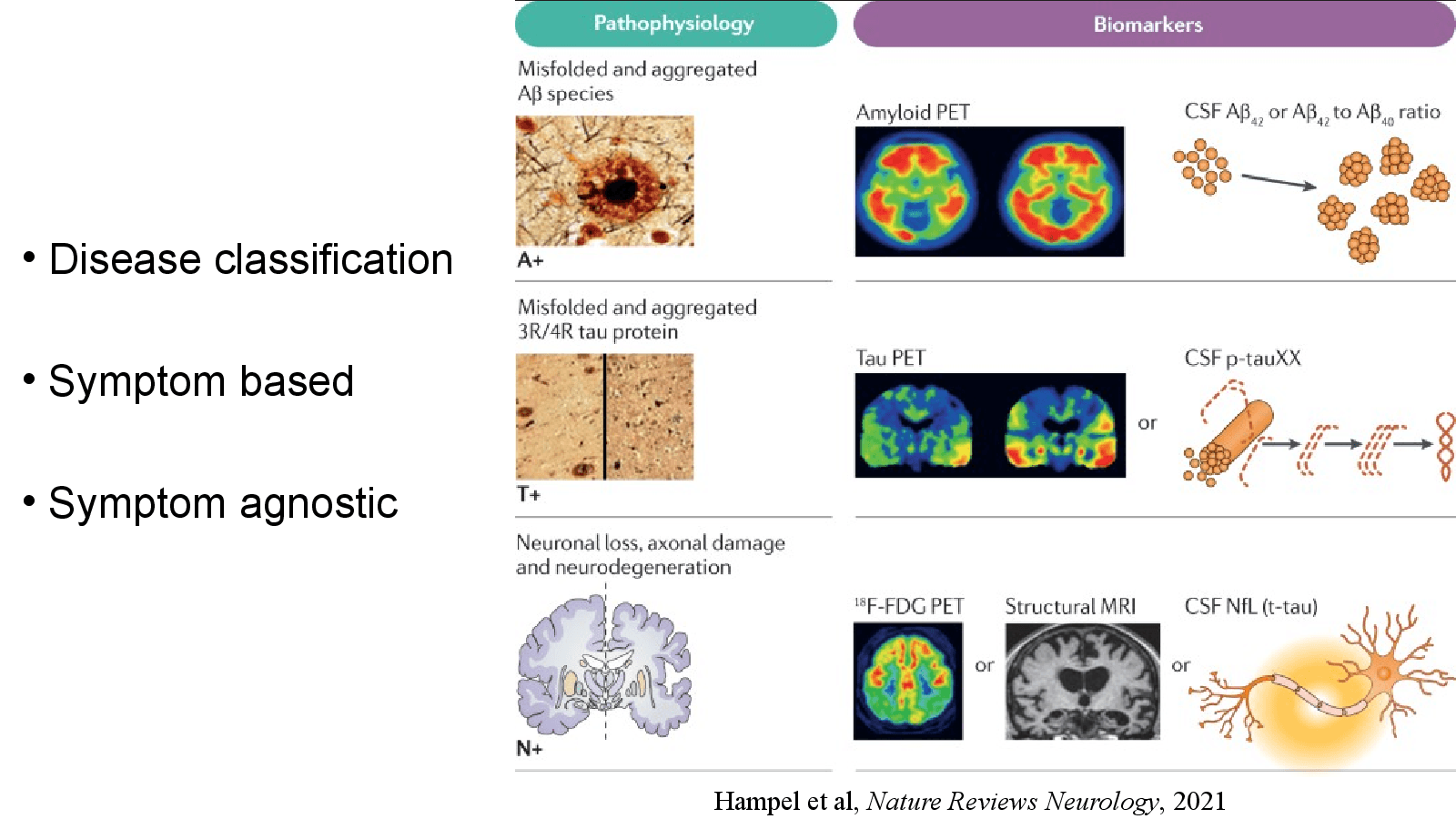
Slide 10
MS types do not match disease “biology”
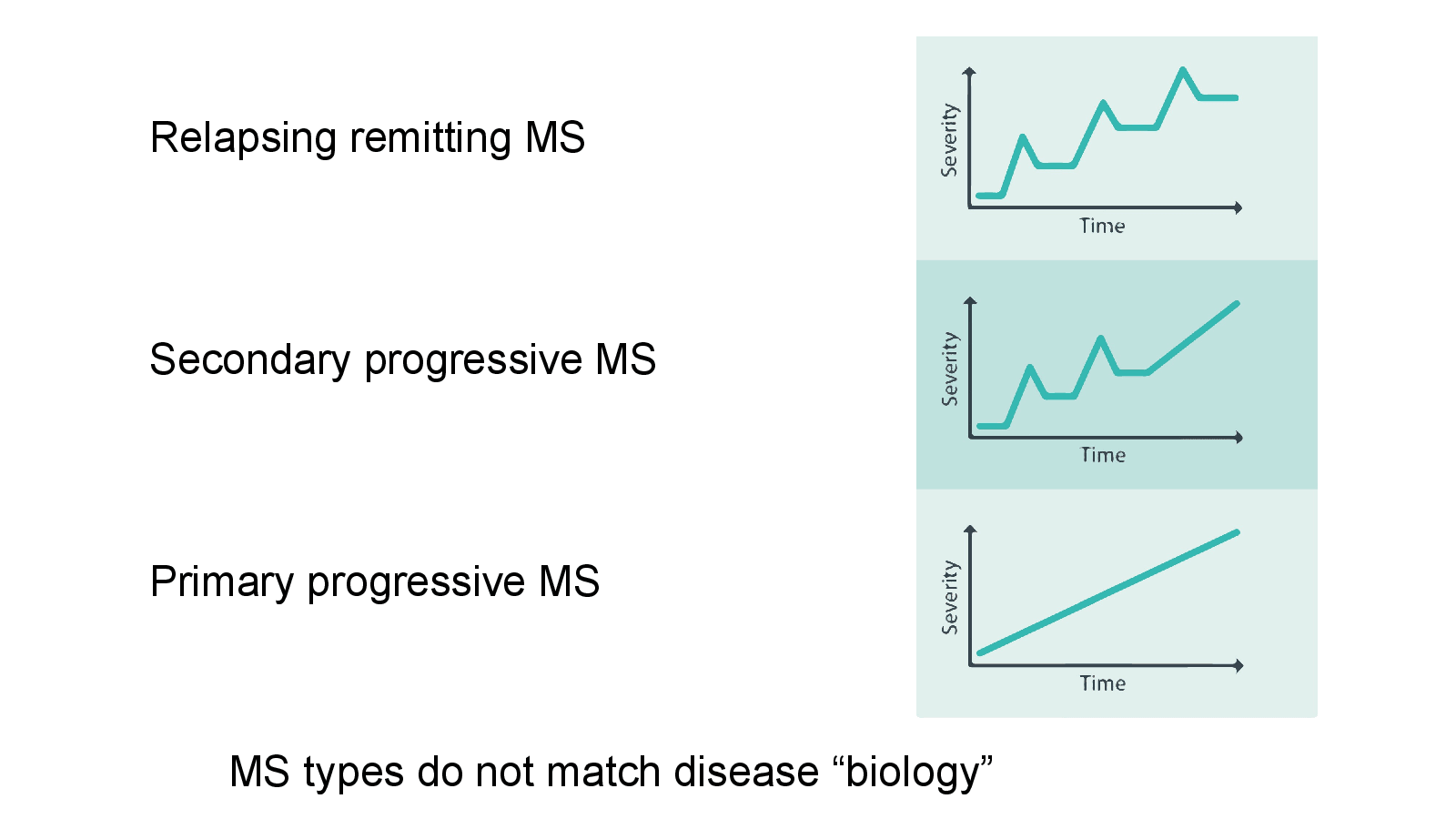
Slide 11
Slide 11
Slide 12
Data-driven MS types, Eshaghi et al, Nature Communication, 2021
Slide 13
Goebl, et al, Under Preparation, expected 2024
Slide 14
Lessons from other fields Future of AI in MS
Slide 15
Slide 15
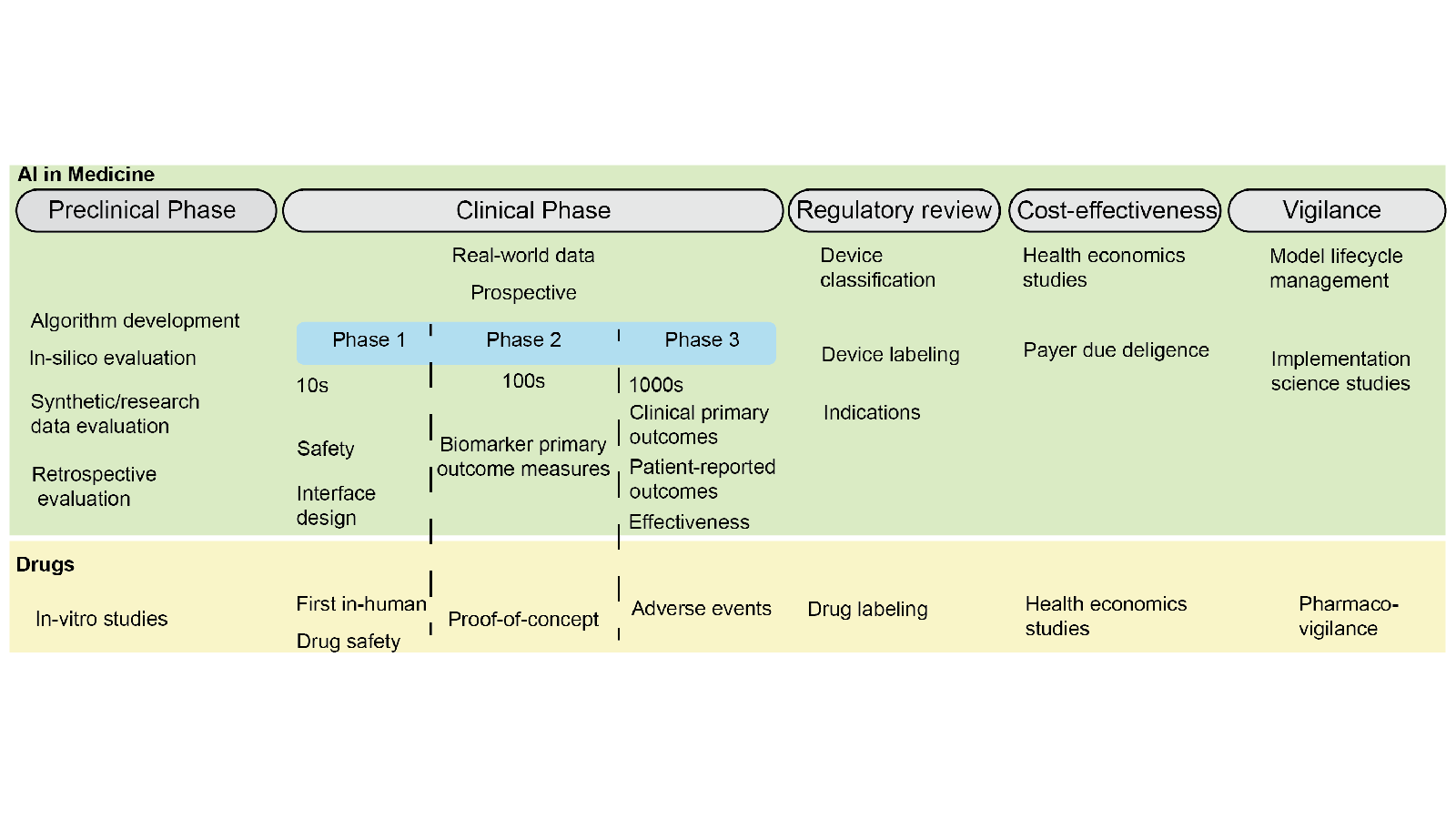
Slide 16
Han et al, Under Review, https://doi.org/10.1101/2023.09.12.23295381
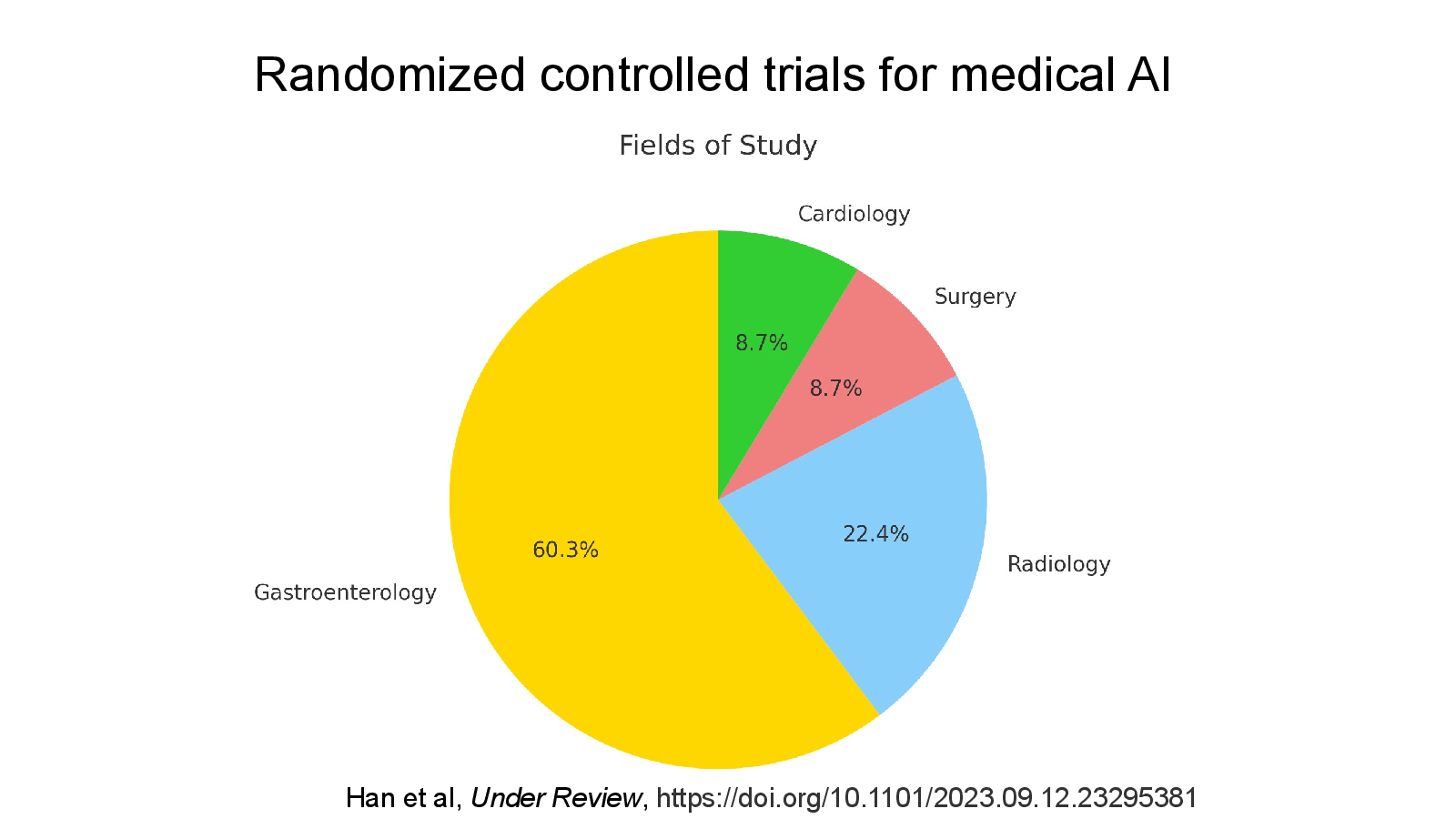
Slide 17
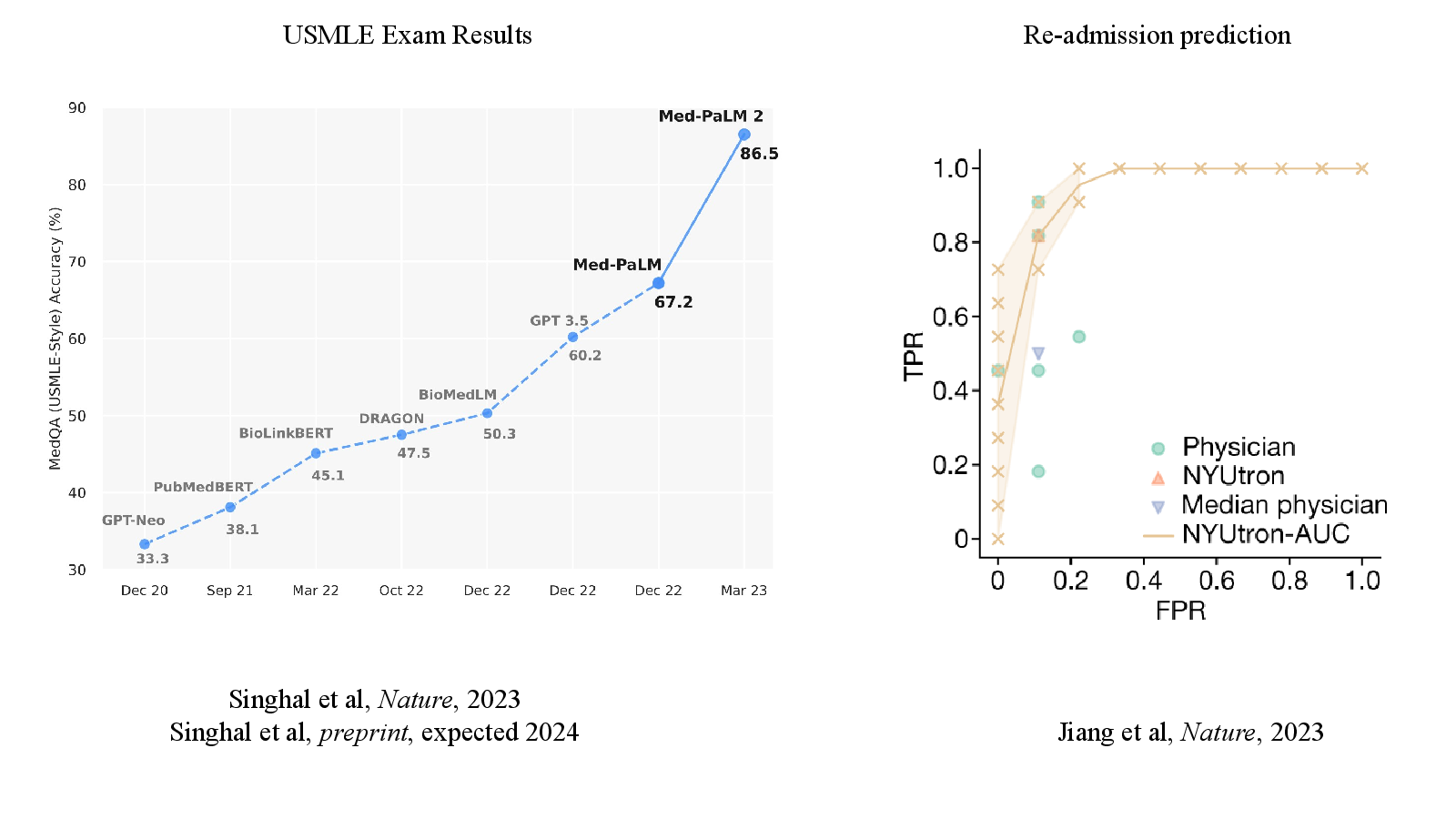
Singhal et al, Nature, 2023
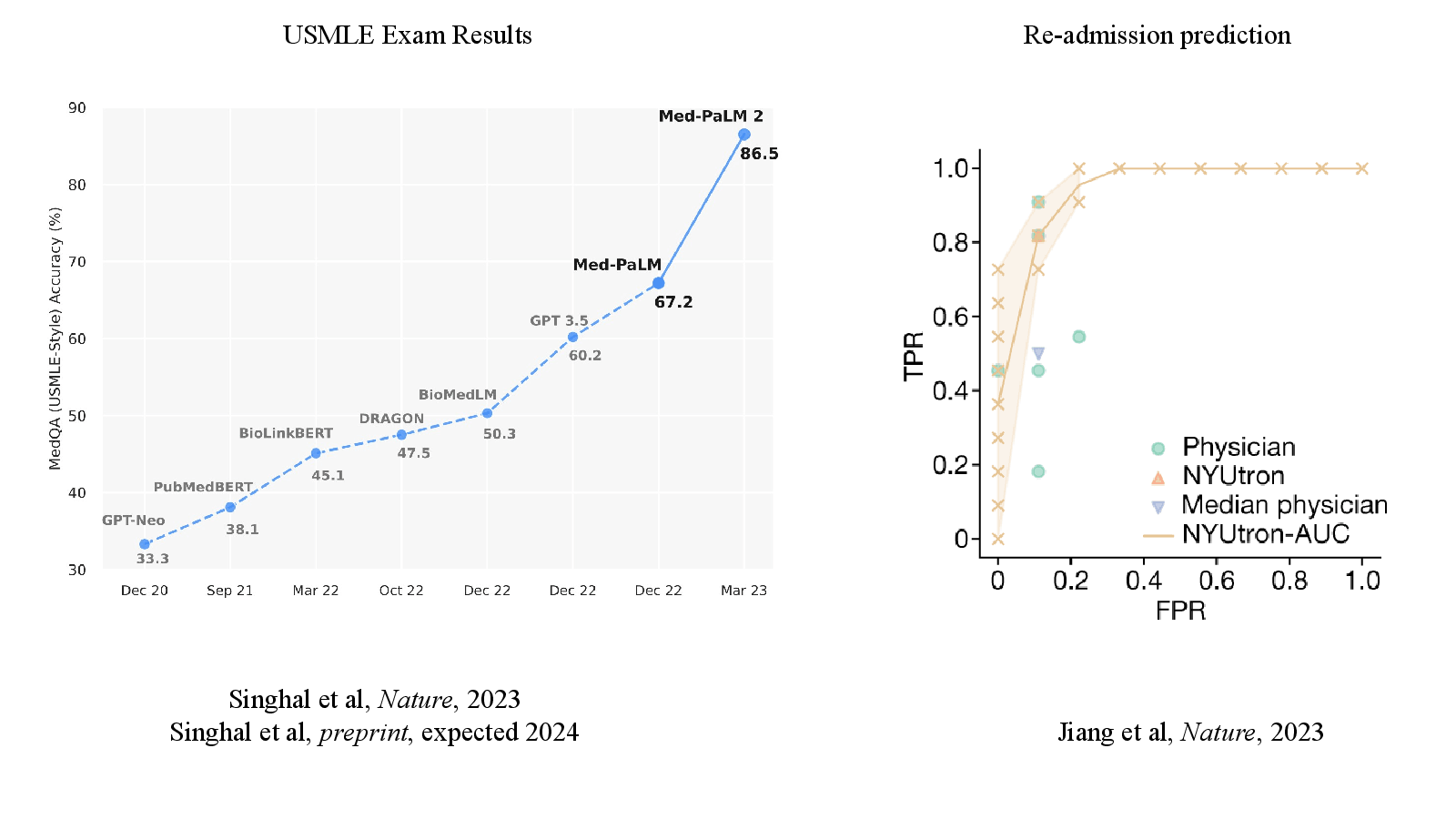
Slide 18
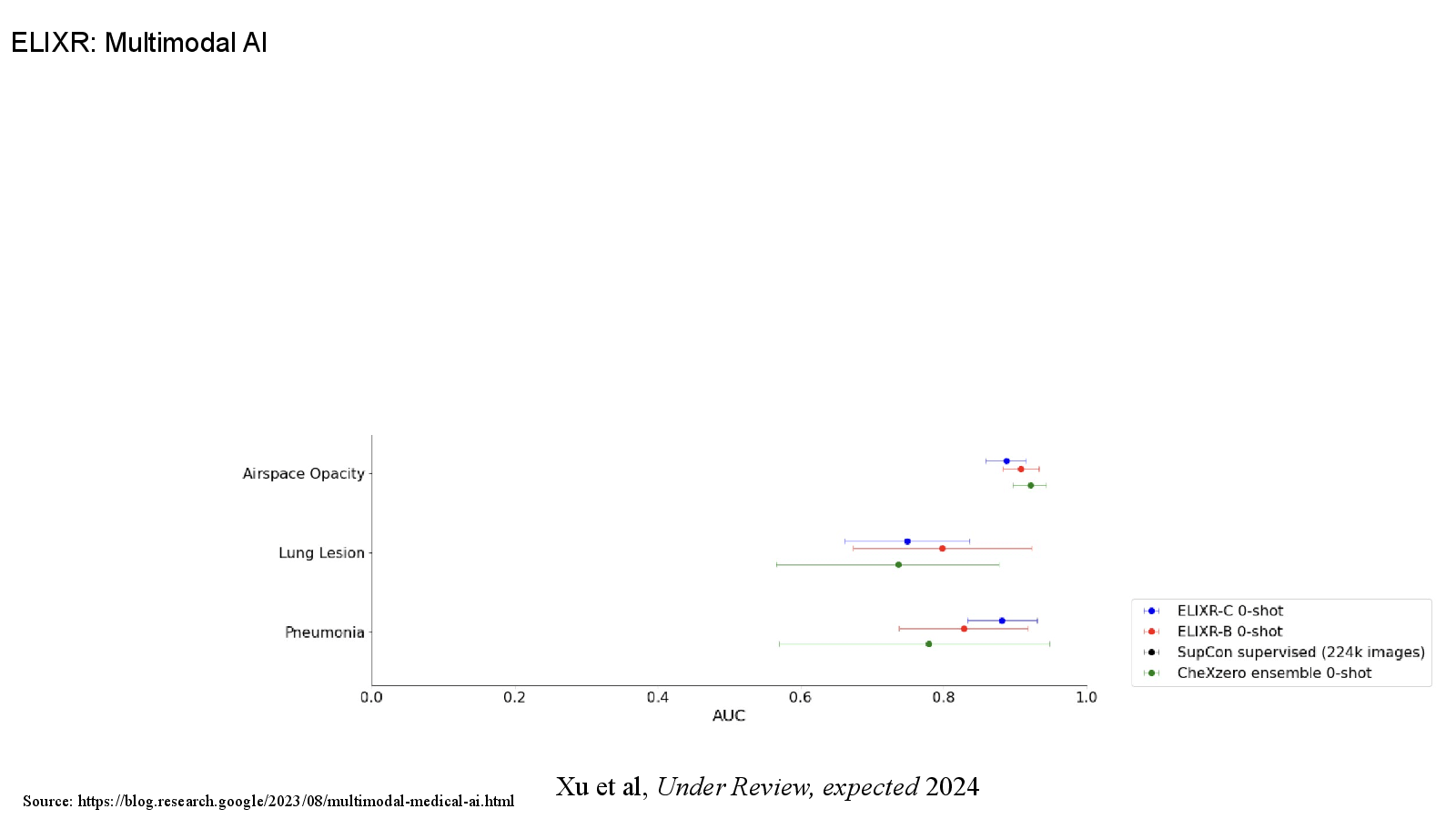
Moor et al, Nature, 2023
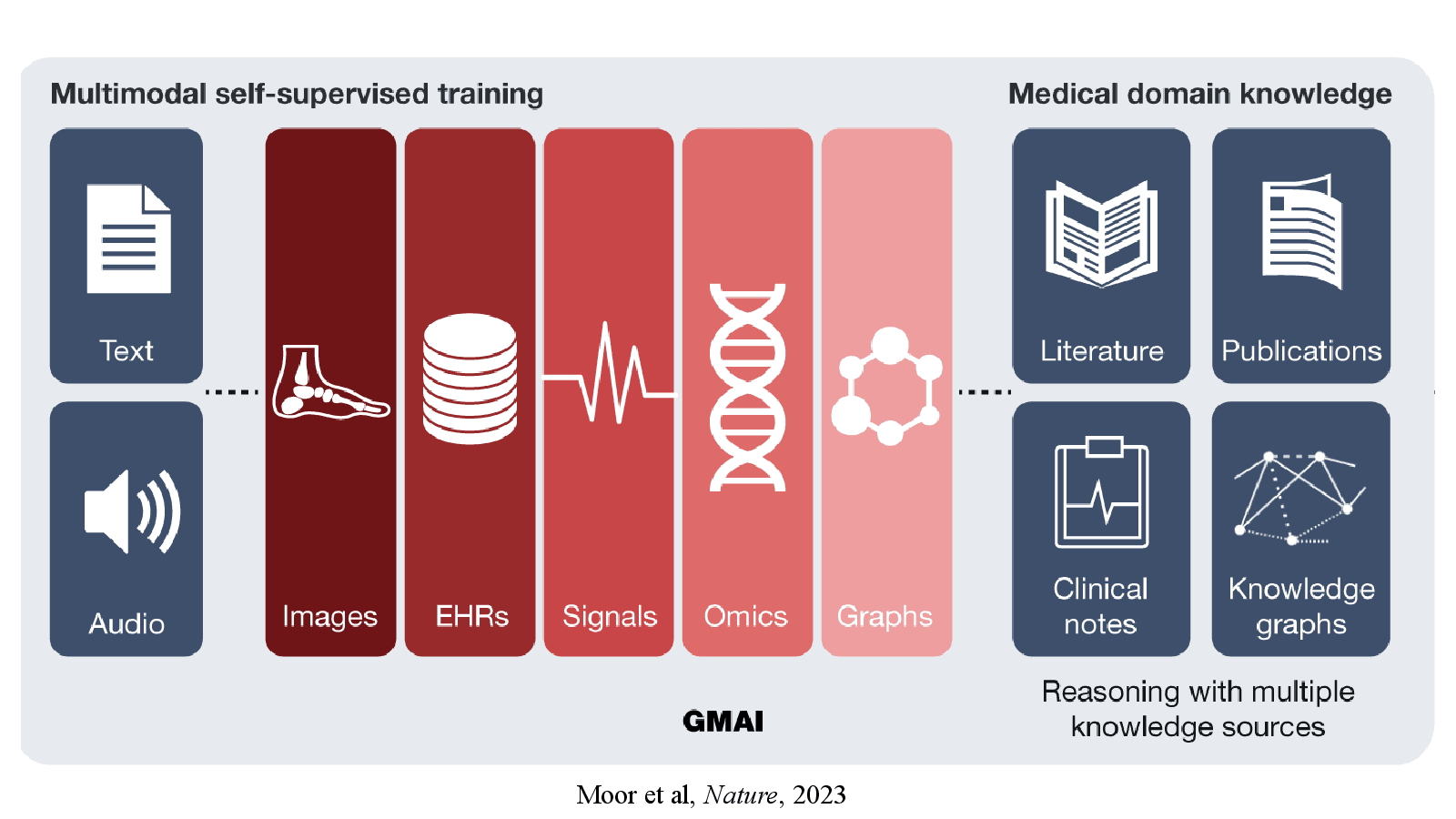
Slide 19
Source: https://blog.research.google/2023/08/multimodal-medical-ai.html
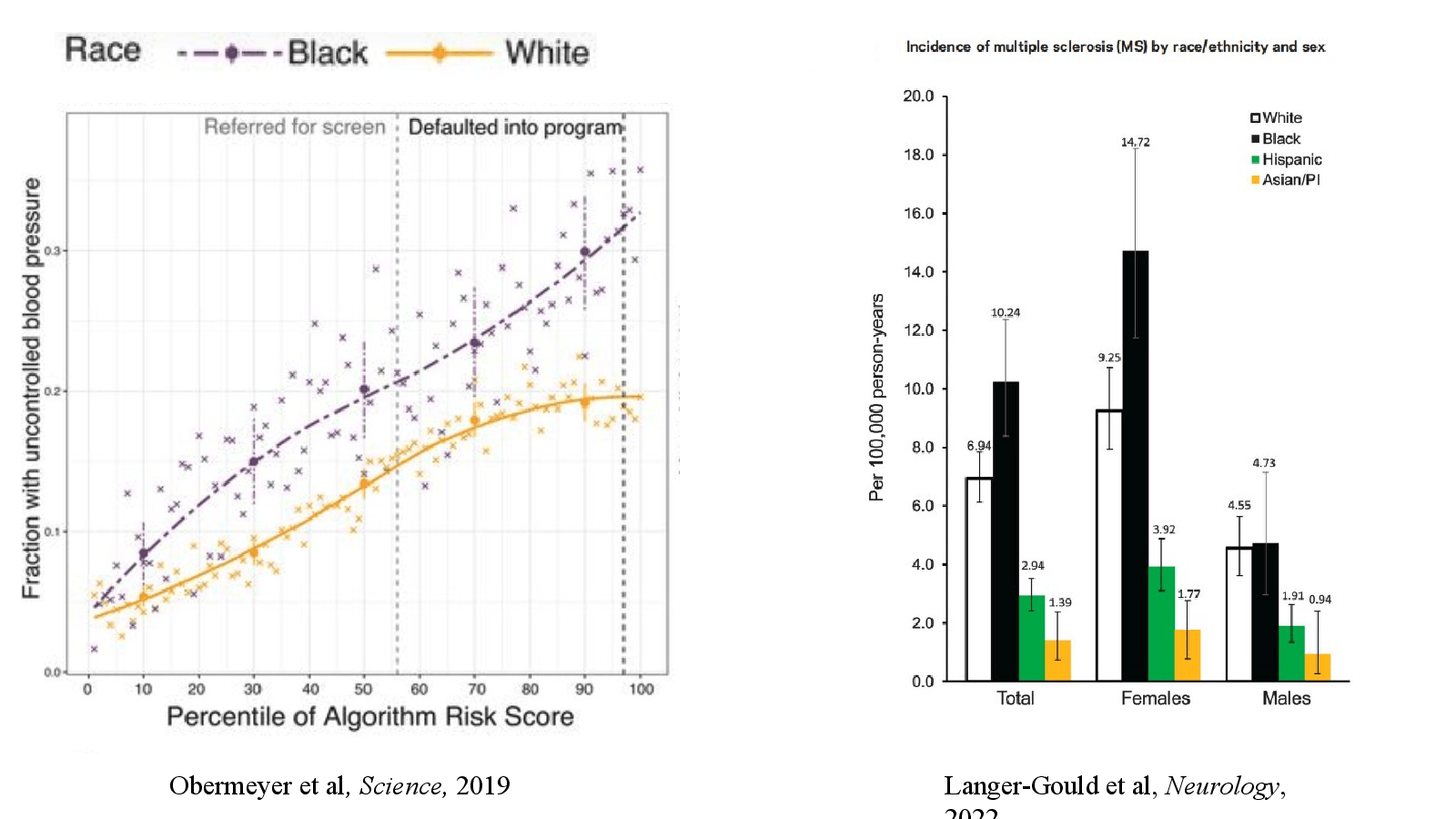
Slide 20
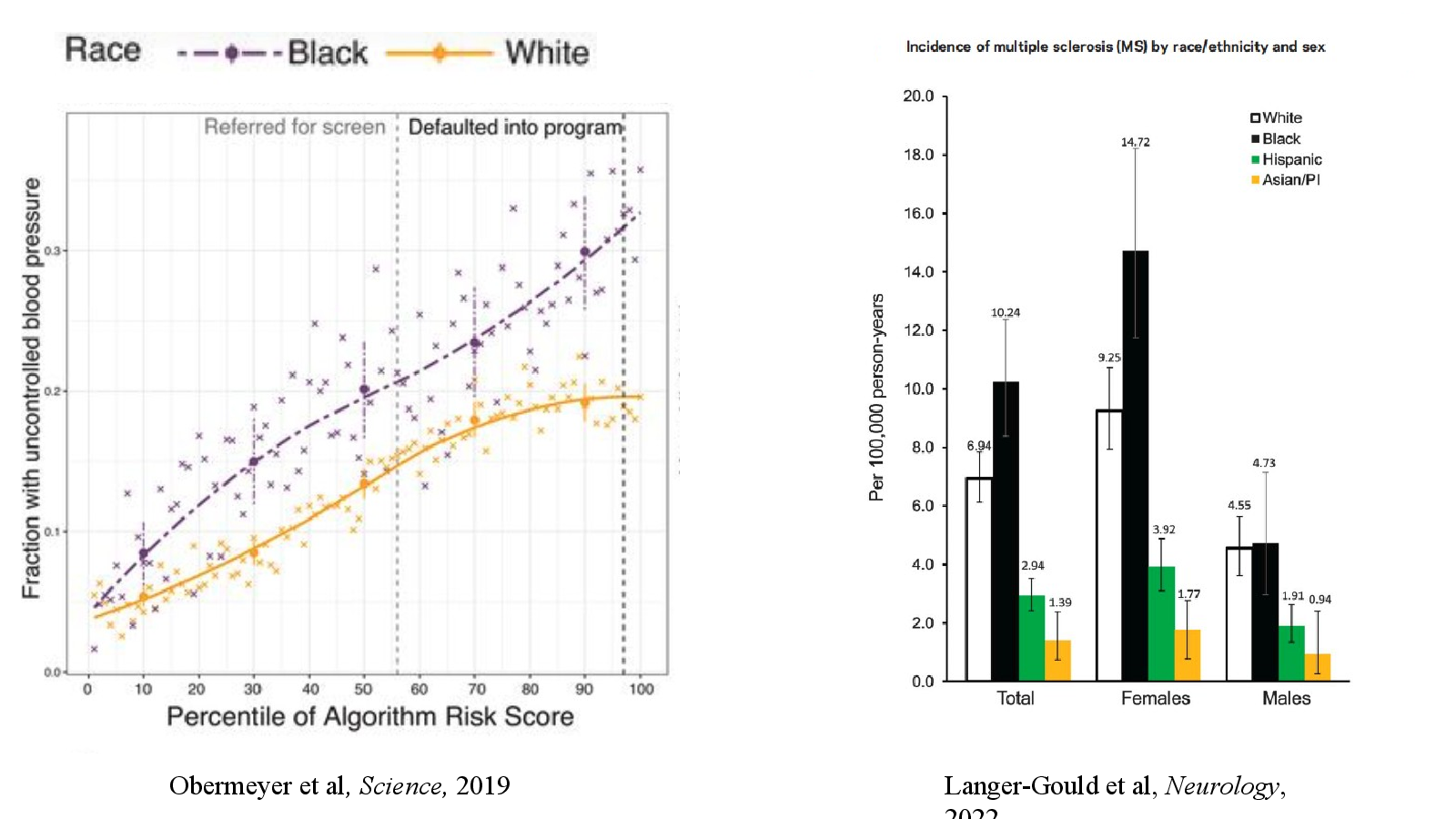
Langer-Gould et al, Neurology, 2022
Slide 21
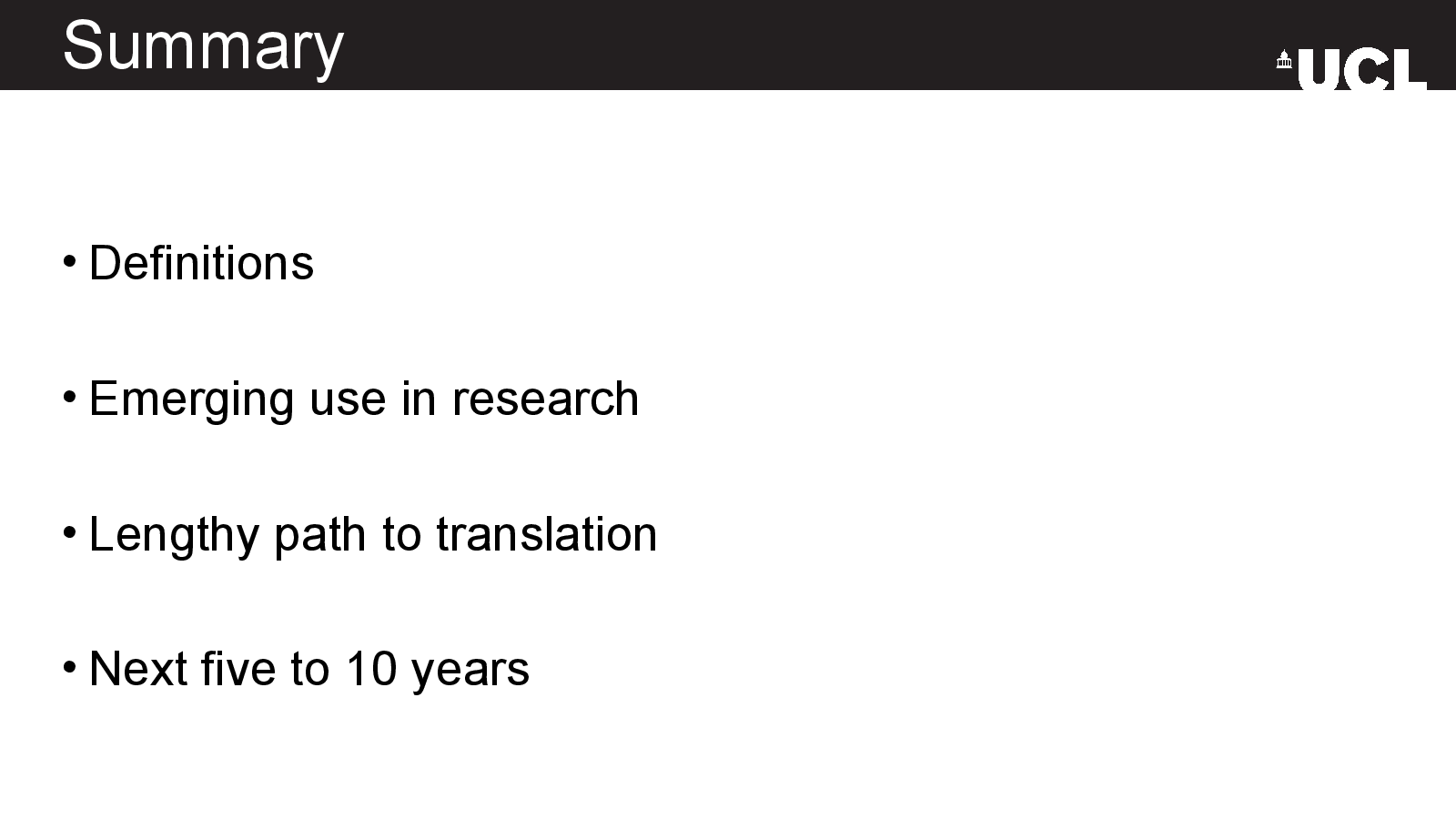
Summary
Slide 22
Slide 22