All talks & lectures

Conference ·

Using AI to Redefine Multiple Sclerosis: Promises and Challenges

An ABN talk on moving from symptom-led MS labels towards classifications grounded in imaging and biomarkers.

ABN Coventry · Coventry, UK
Opening slide for “Using AI to Redefine Multiple Sclerosis: Promises and Challenges” at ABN Coventry
Opening slide from the original presentation
Delivered
Event
ABN Coventry
Place
Coventry, UK
Format
Conference
Source deck
20 slides

From the slides

Deck notes

This talk examined whether MS can be described more usefully through biological patterns than through symptoms alone. It brought together MRI-derived types, immune endotypes and multimodal biomarkers, then asked what would make them clinically meaningful.

The question

Should MS remain classified mainly by symptoms, or can reproducible biological patterns provide more useful definitions?

Deck outline

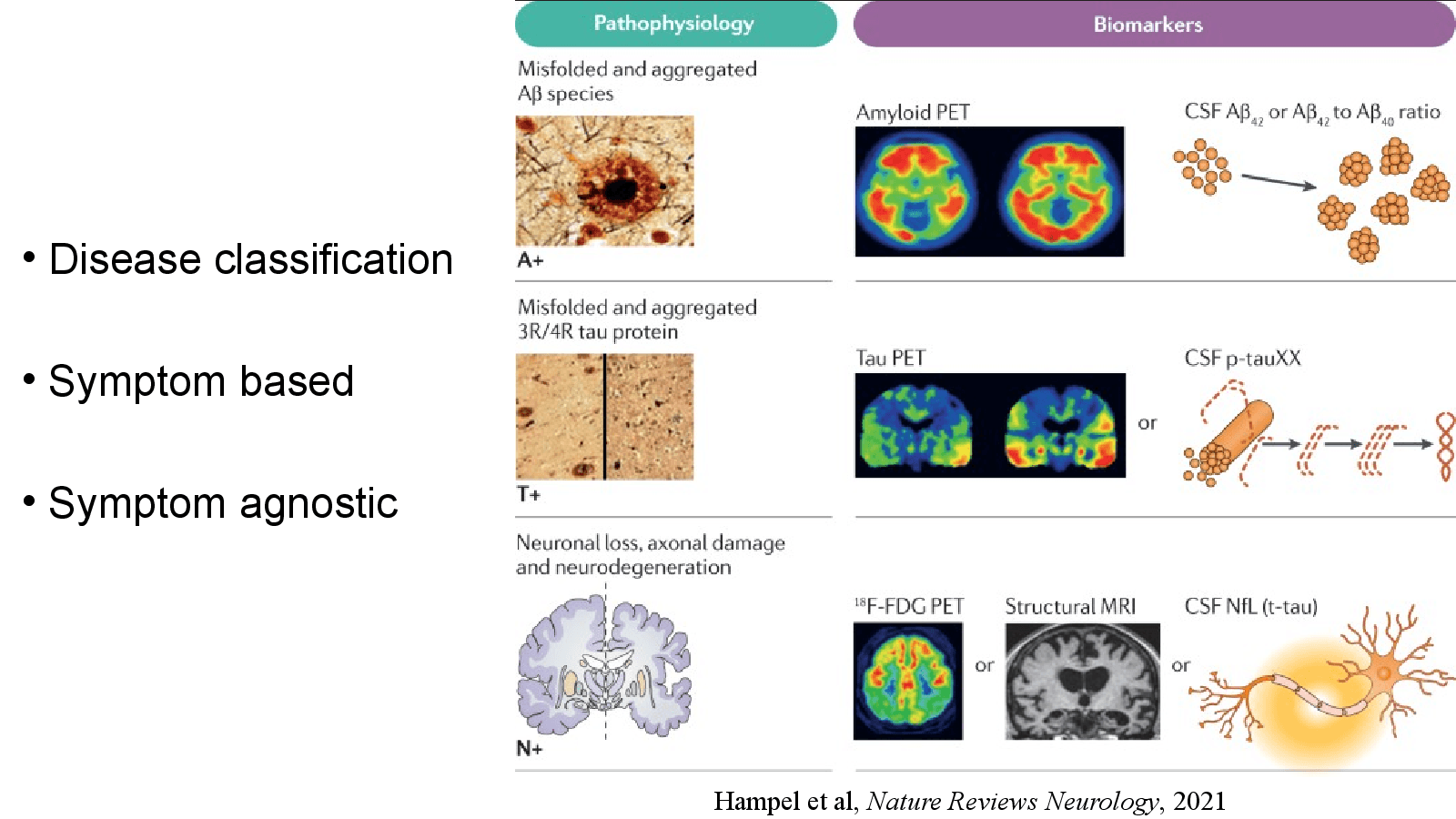
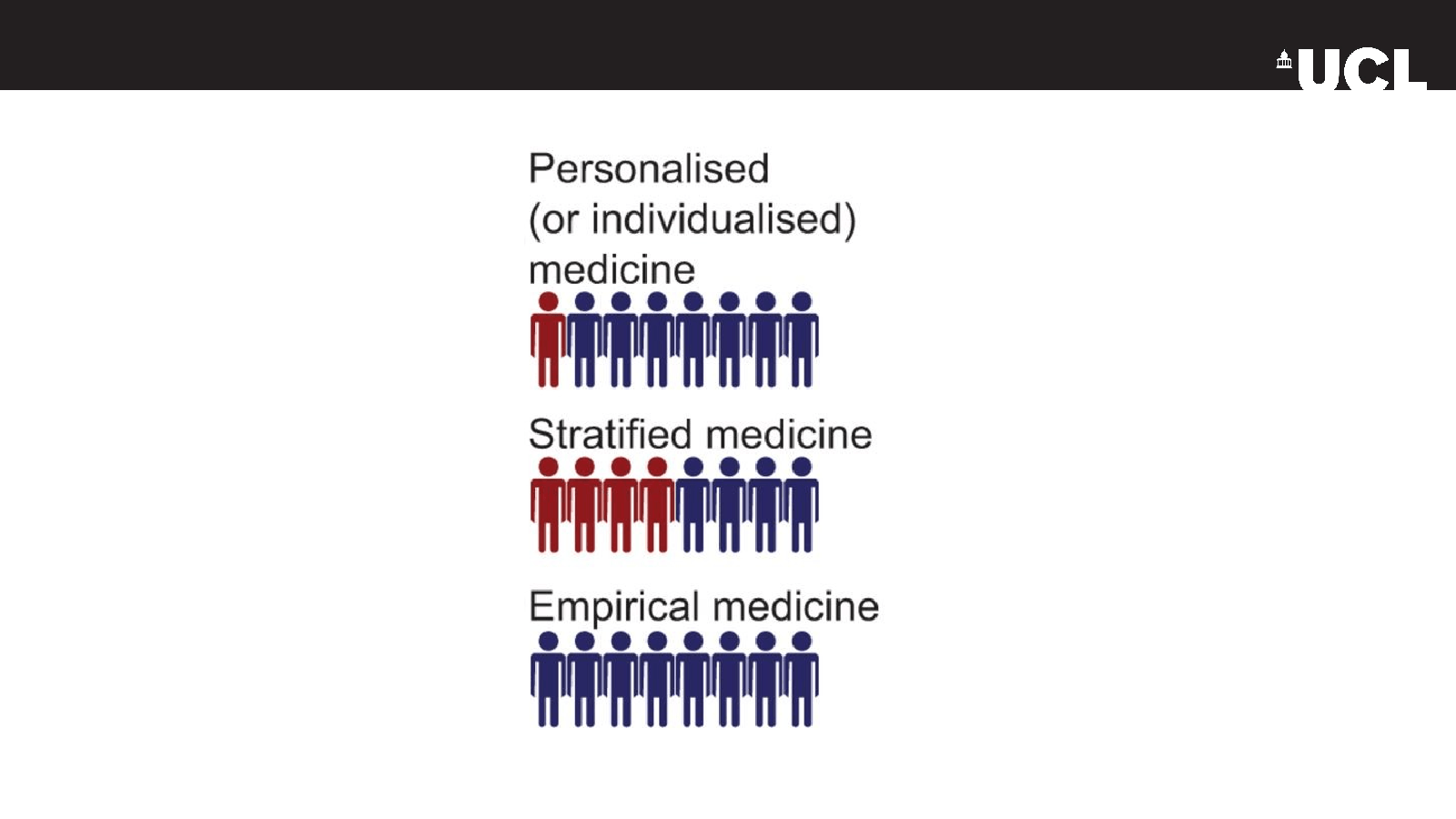
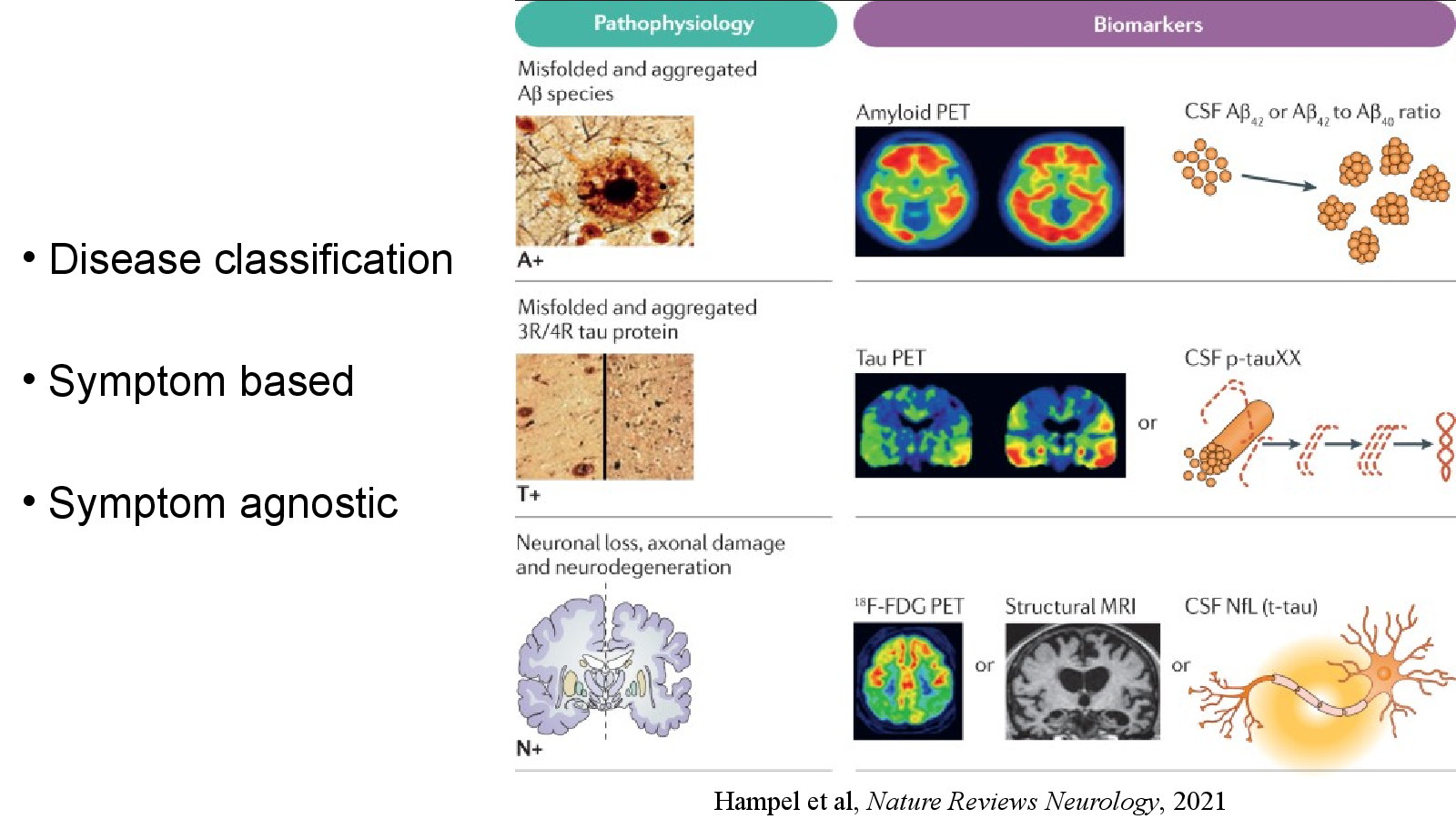
  • Symptom-based and symptom-agnostic disease classification
  • Data-driven MS types derived from MRI
  • Immune-cell endotypes in early MS
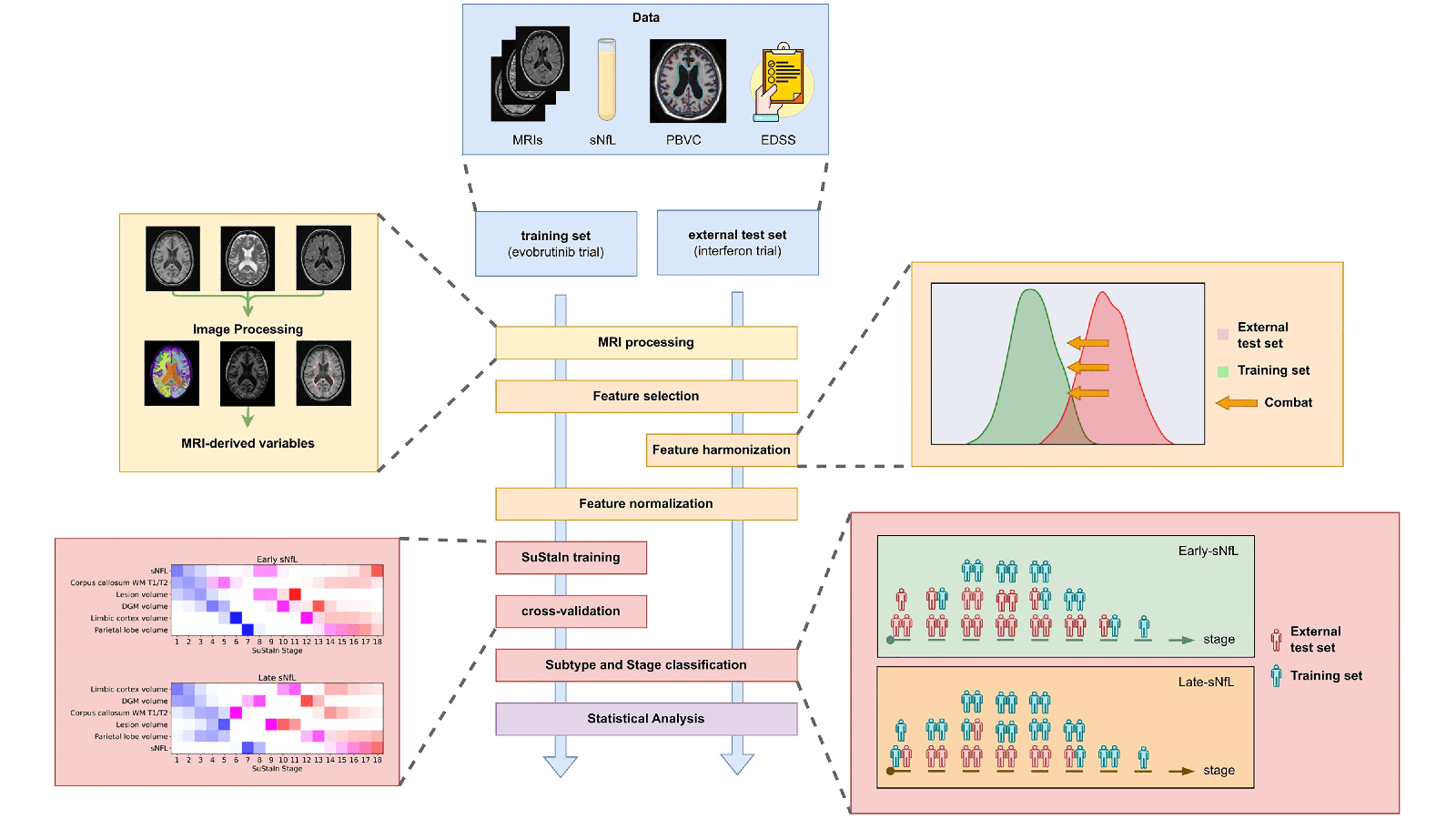
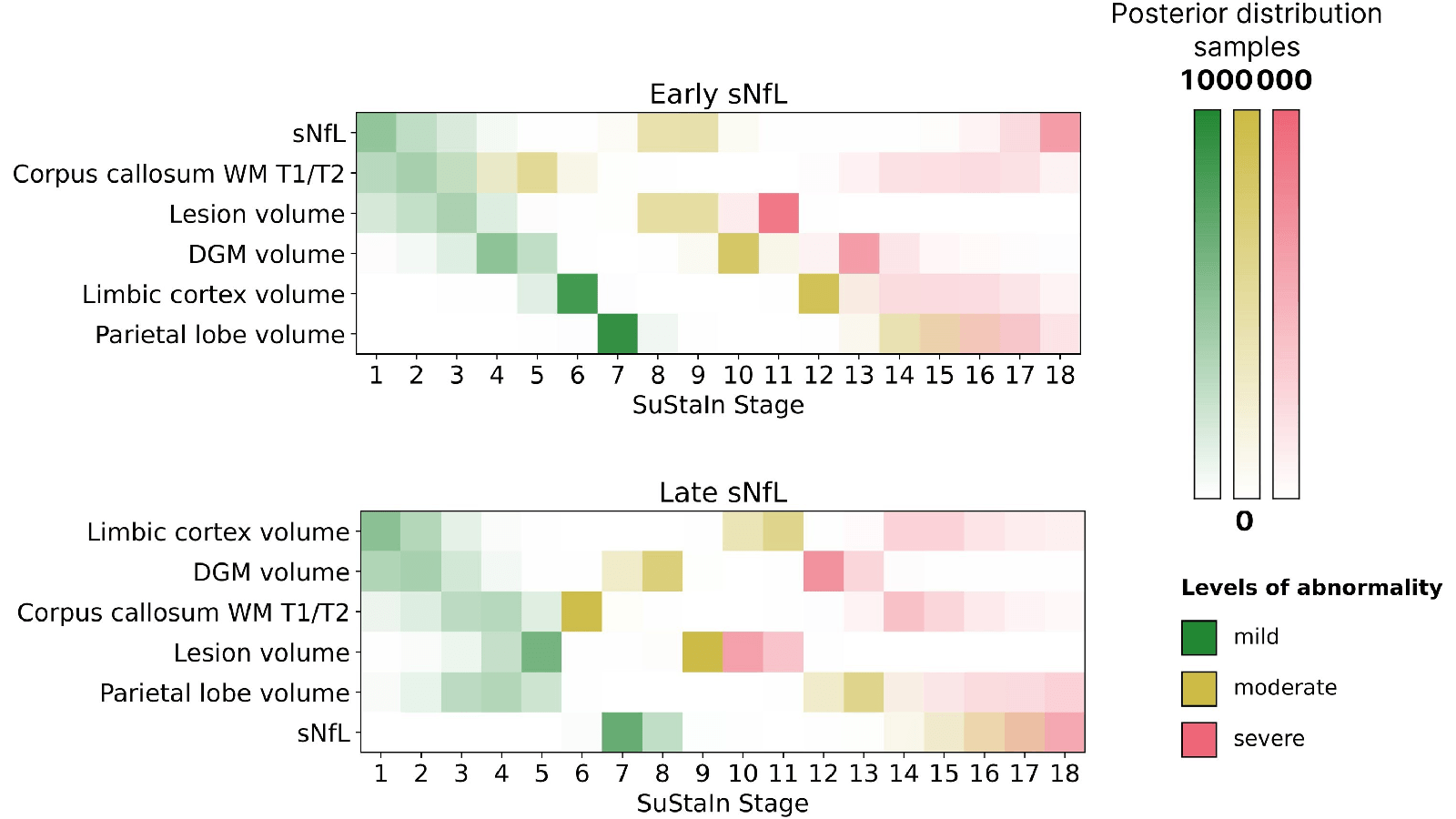
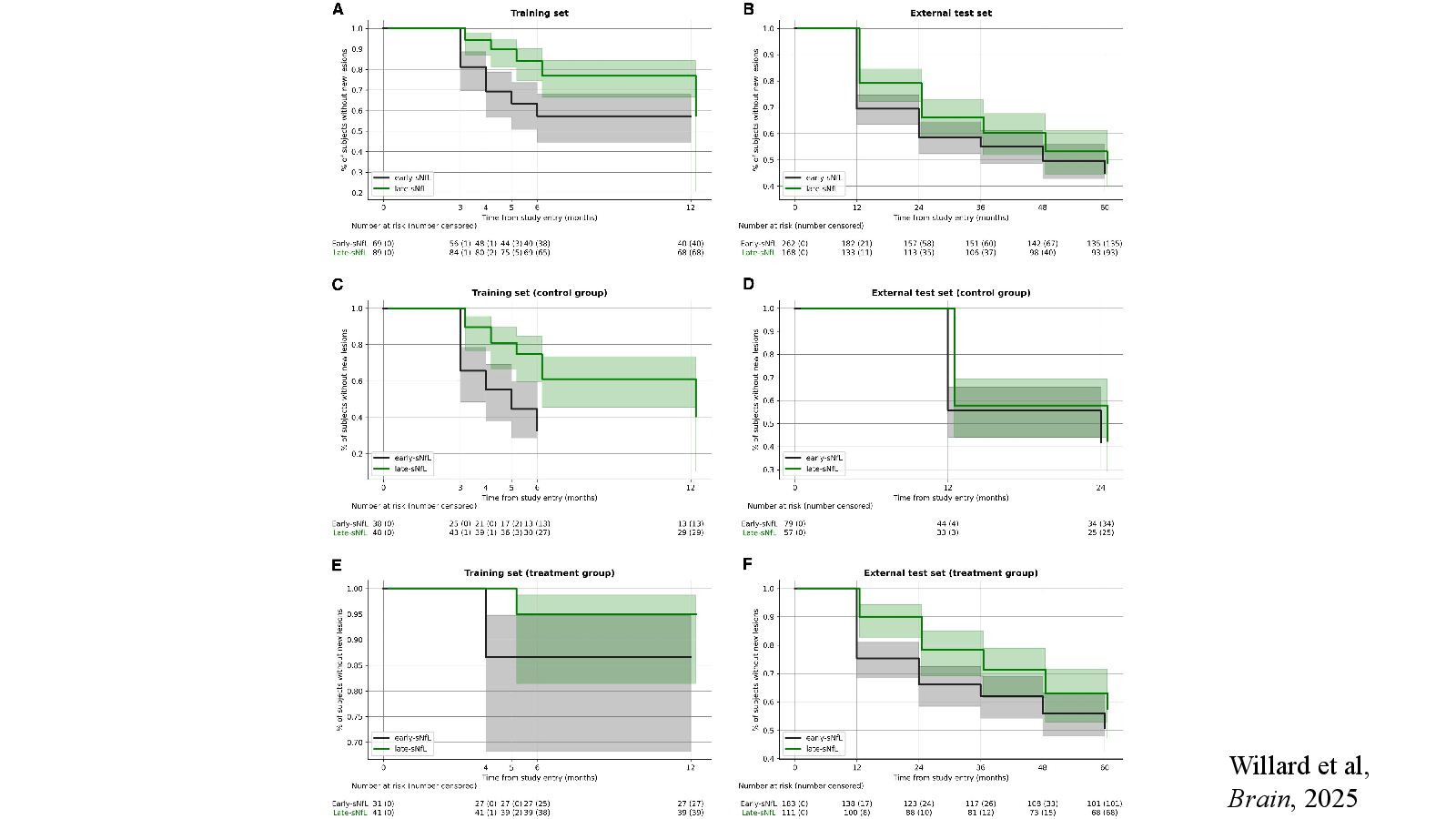
  • Multimodal imaging and serum biomarker types
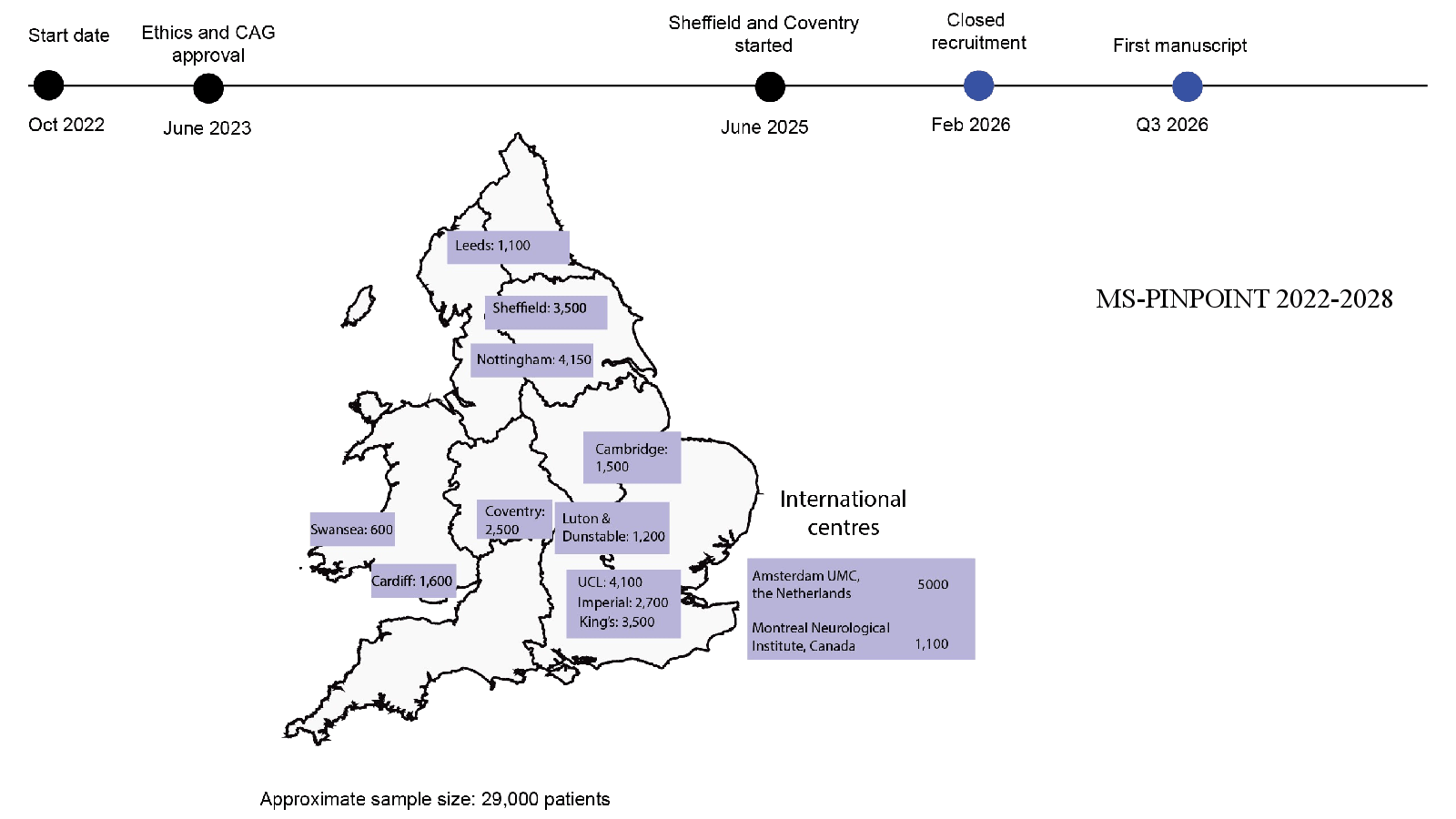
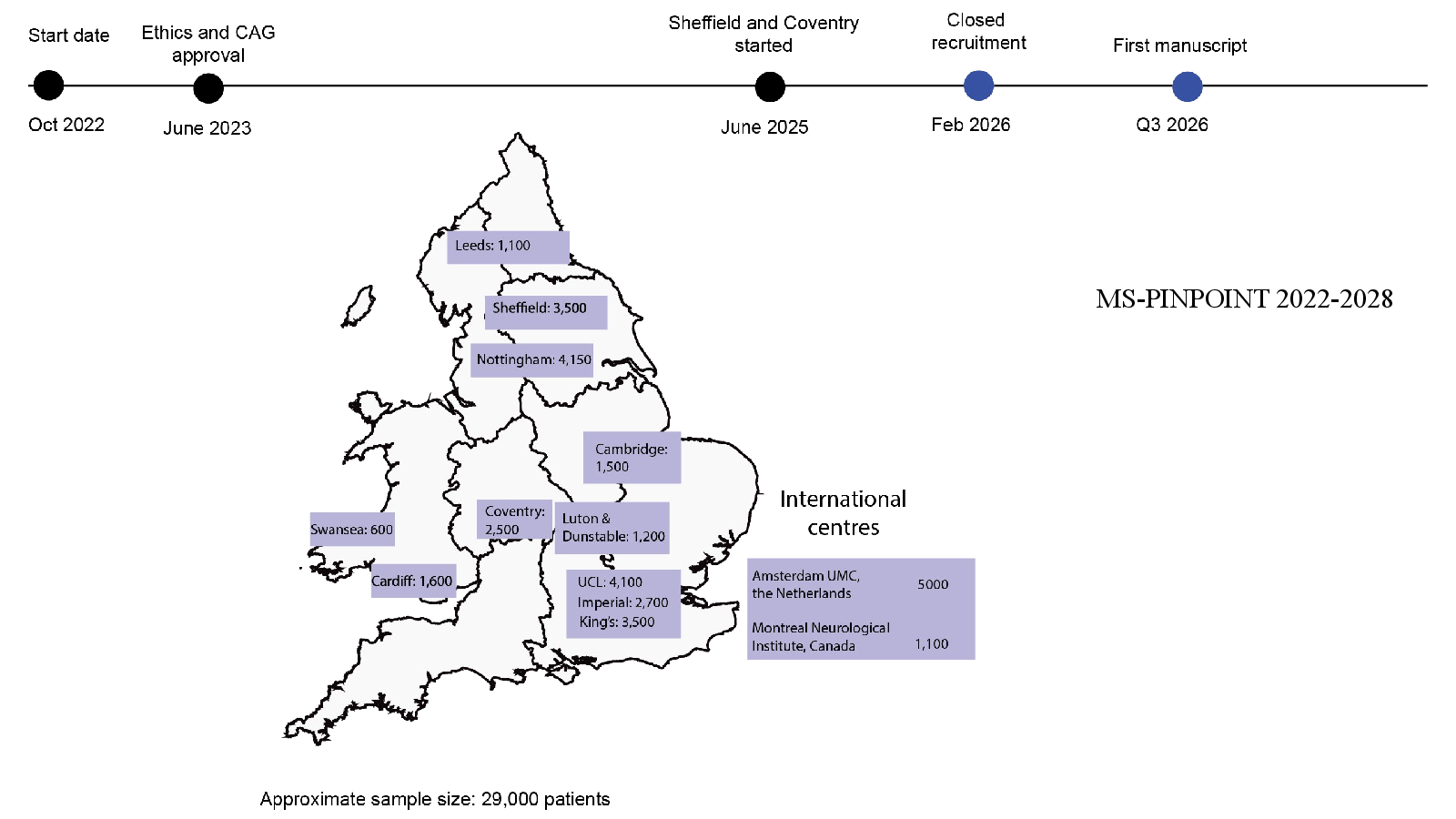
  • The MS-PINPOINT clinical and research network
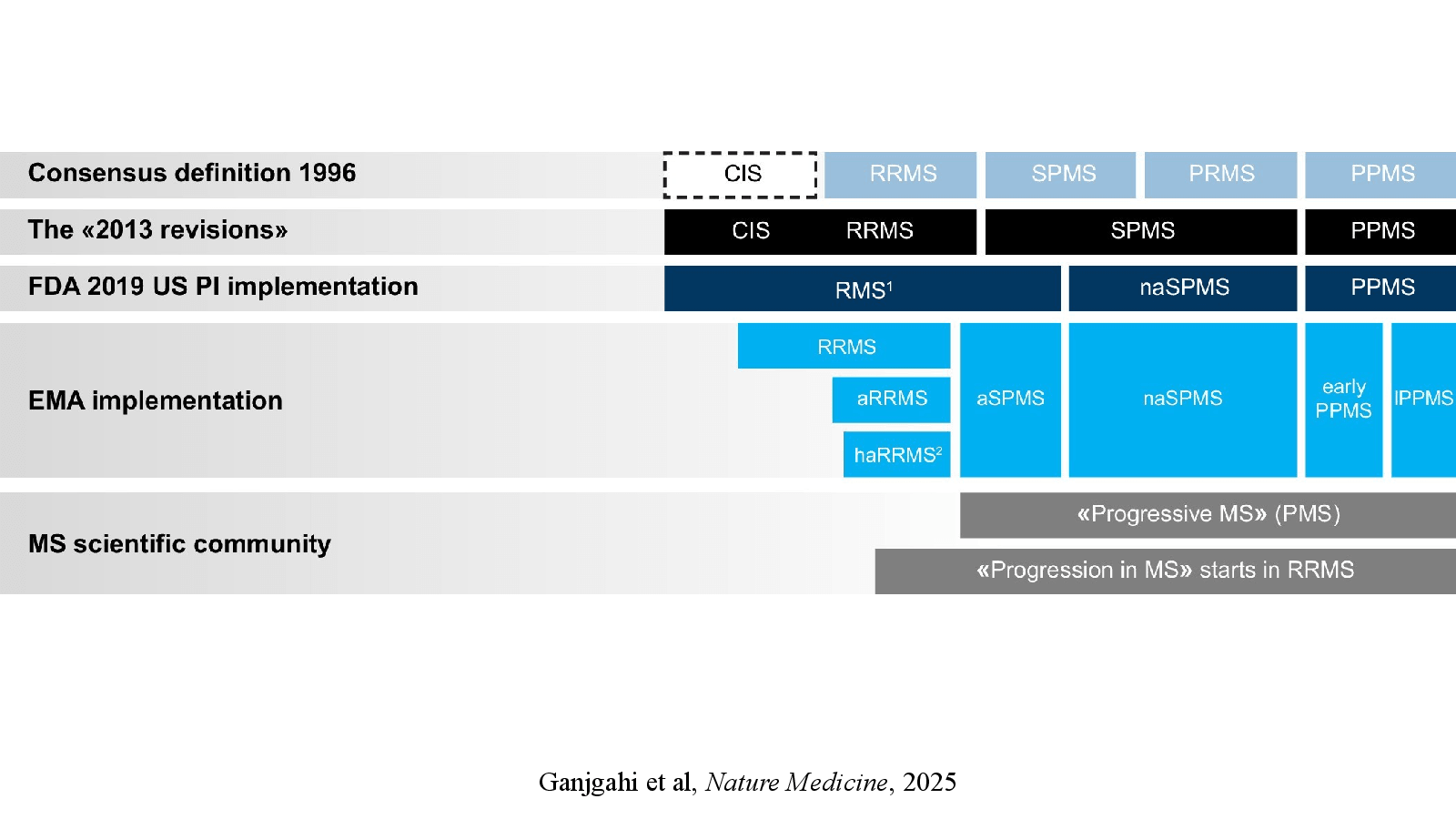
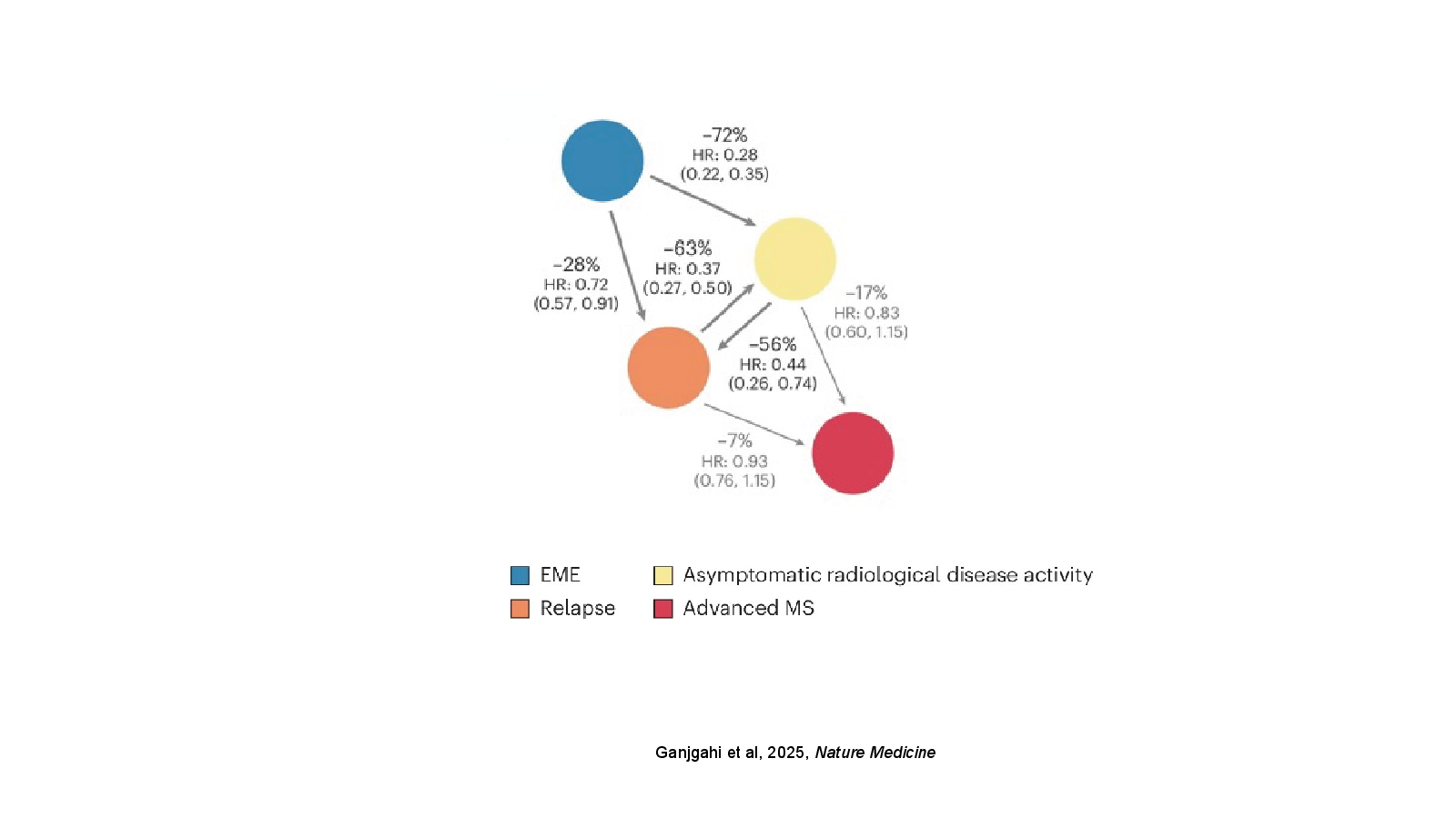
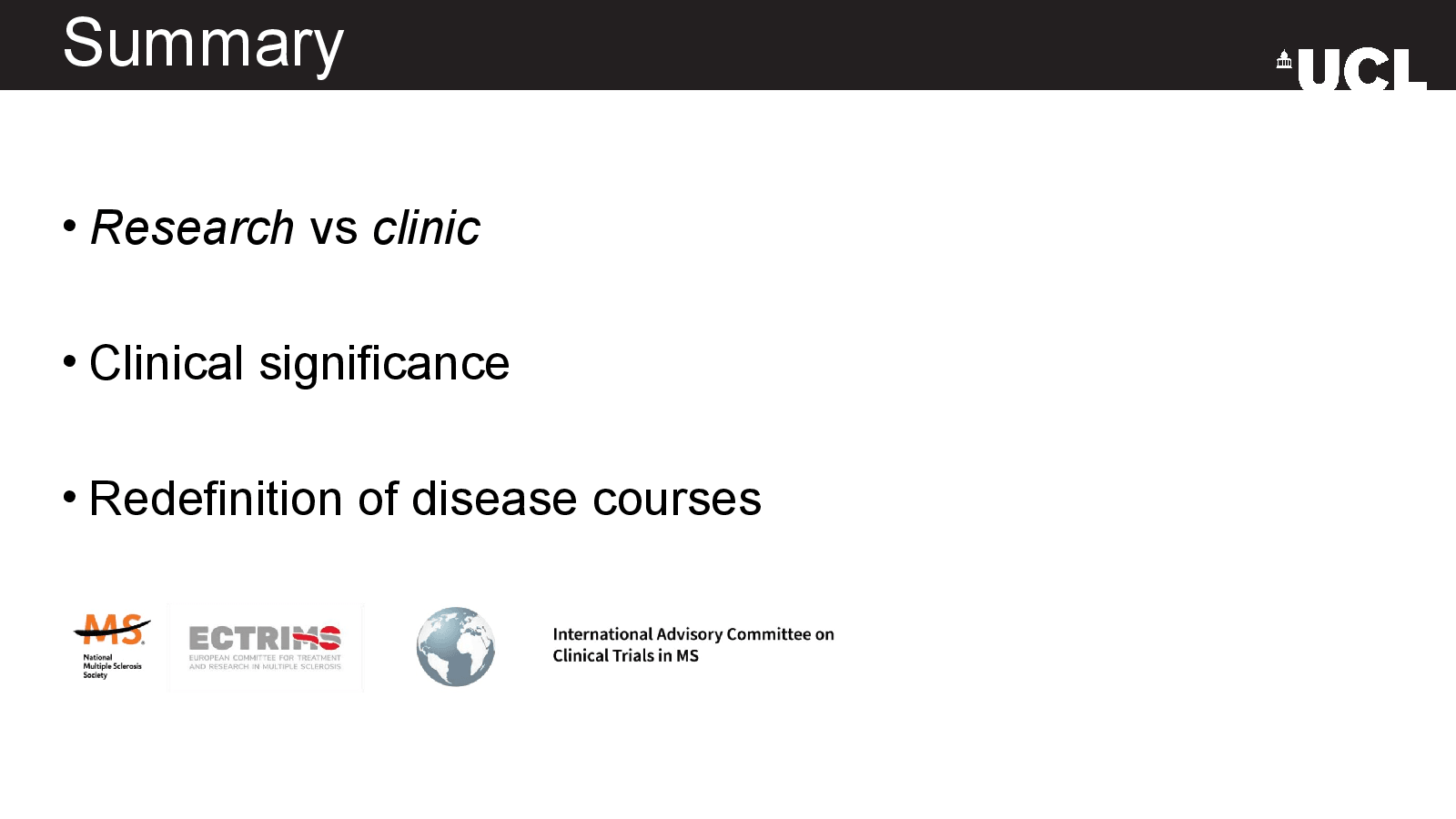
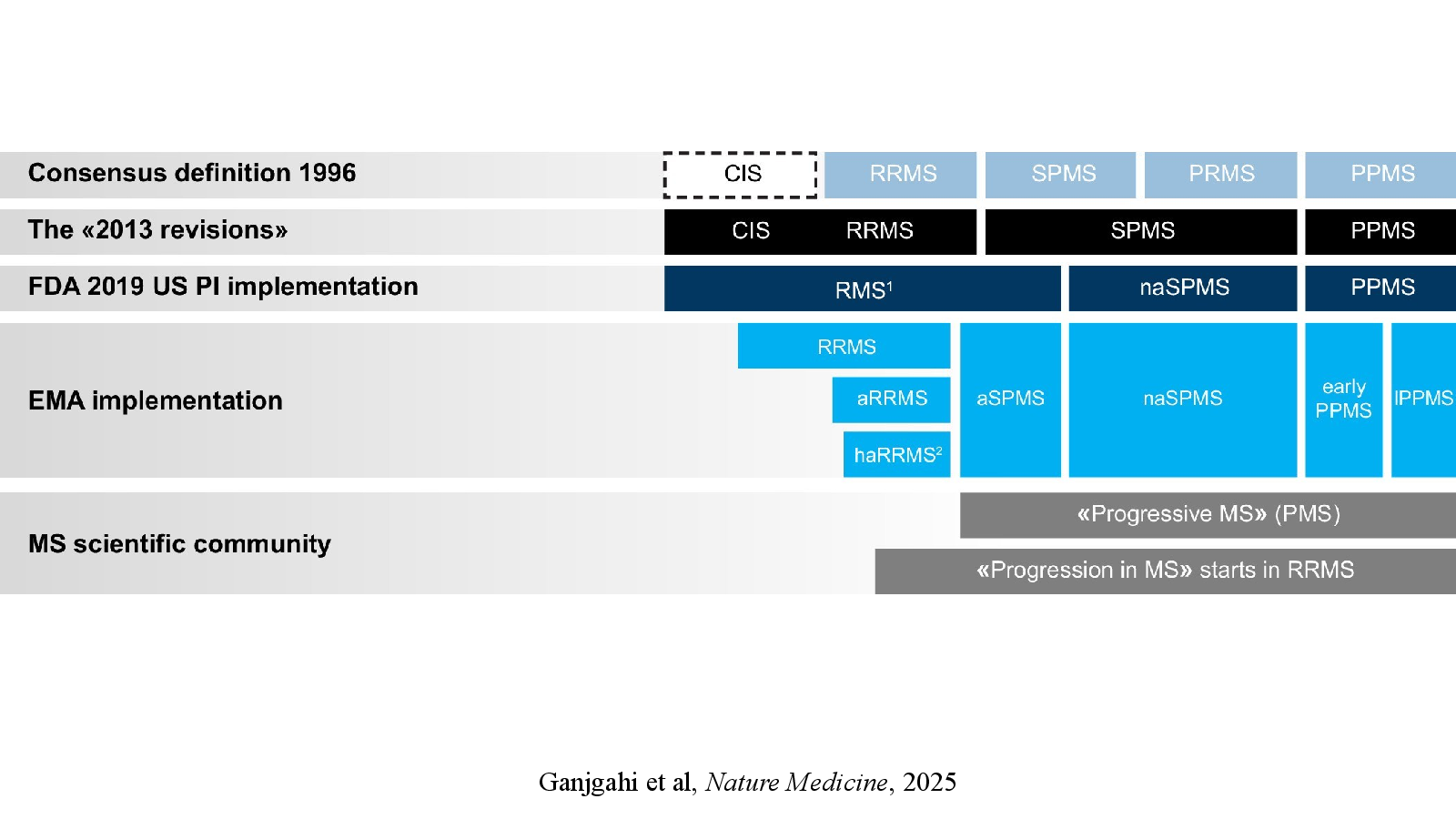
  • Clinical significance and the redefinition of disease courses

Take-away

AI can reveal structure across imaging and biomarkers, but a new classification matters only when it changes clinical understanding or care.

Original deck

Slide by slide

Read the 20-slide presentation in order, or use the index to jump.

  1. Slide 01

    Using AI to Redefine Multiple Sclerosis
    Slide 1: Using AI to Redefine Multiple SclerosisOpen full-size slide

    Promises and challenges

    Arman Eshaghi, MD, PhD

    NIHR Advanced Fellow

    Queen Square Institute of Neurology

    University College London

    UK

  2. Slide 02

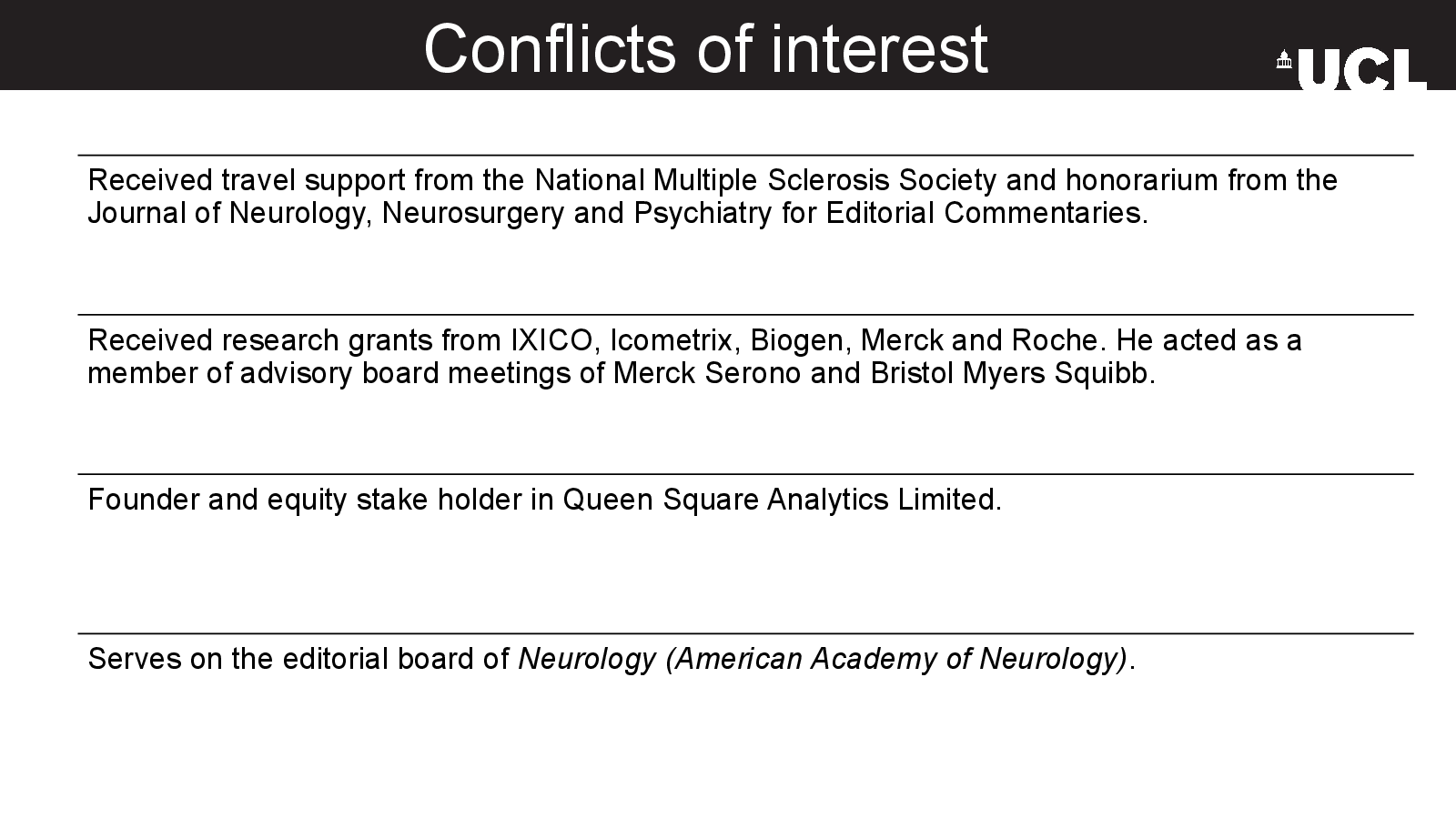
    Conflicts of interest

    Slide 2: Conflicts of interestOpen full-size slide
    • Received travel support from the National Multiple Sclerosis Society and honorarium from the Journal of Neurology, Neurosurgery and Psychiatry for Editorial Commentaries.
    • Received research grants from IXICO, Icometrix, Biogen, Merck and Roche. He acted as a member of advisory board meetings of Merck Serono and Bristol Myers Squibb.
    • Founder and equity stake holder in Queen Square Analytics Limited.
    • Serves on the editorial board of Neurology (American Academy of Neurology).
  3. Slide 06

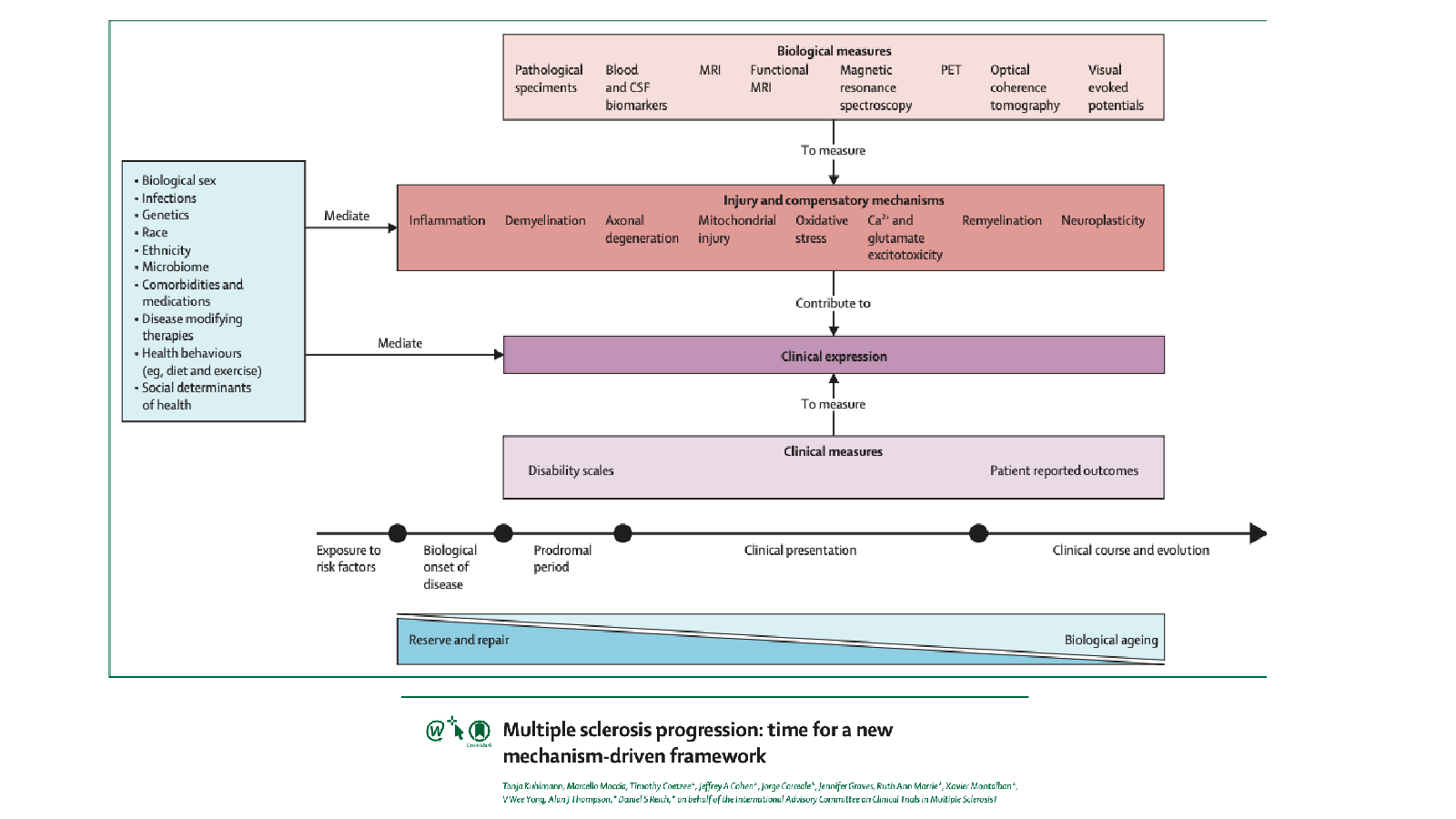
    Slide 6

    Full image of slide 6Open full-size slide
    Speaker notes

    The effect size, expressed as mean difference in annual percentage cortical thickness change (MD-APC), is graphically displayed in different shades of blue for each of the Desikan-Killiany atlas25 regions presenting significant differences between groups after correction for multiple comparisons.

  4. Slide 08

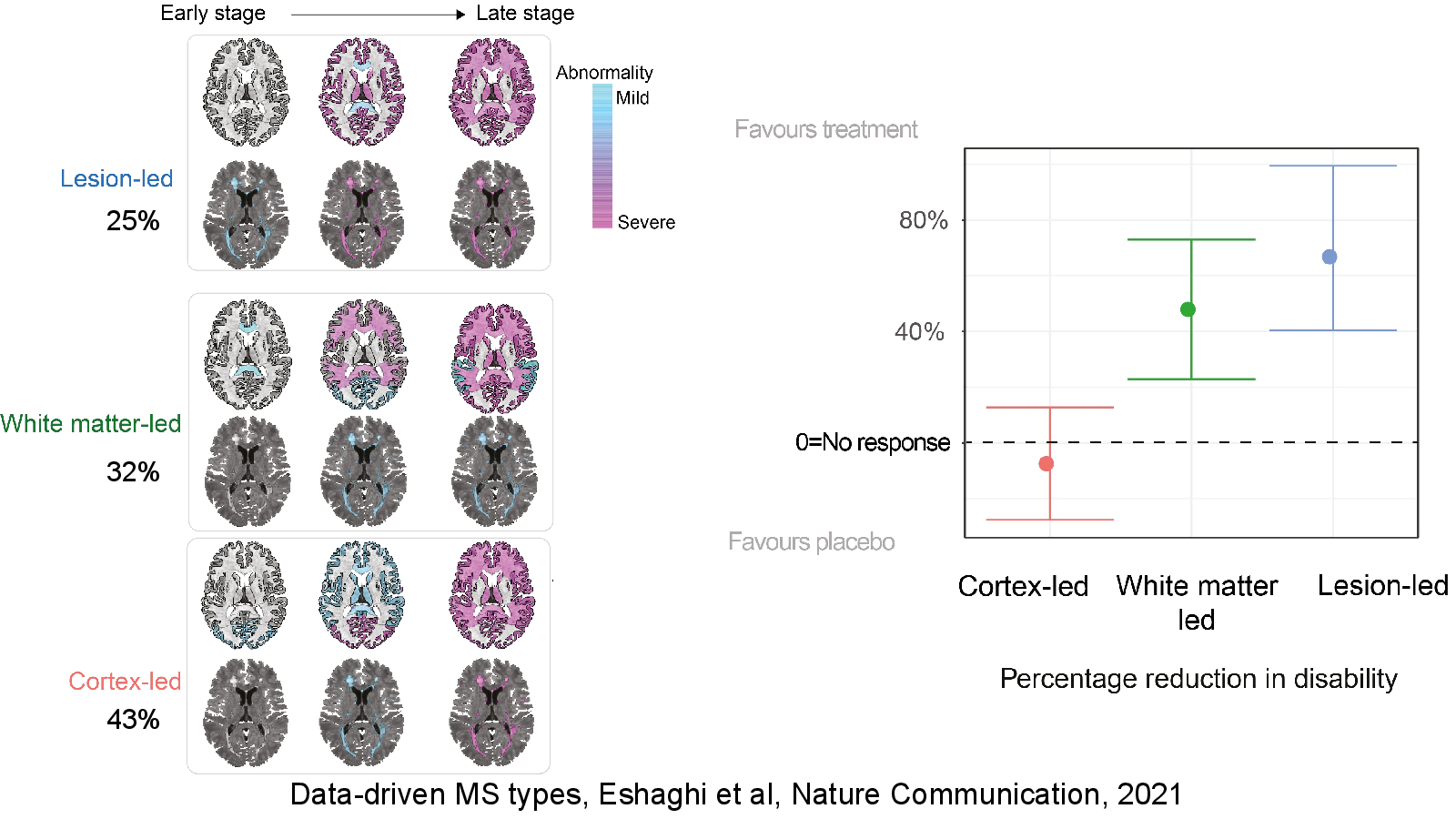
    Data-driven MS types, Eshaghi et al, Nature Communication, 2021
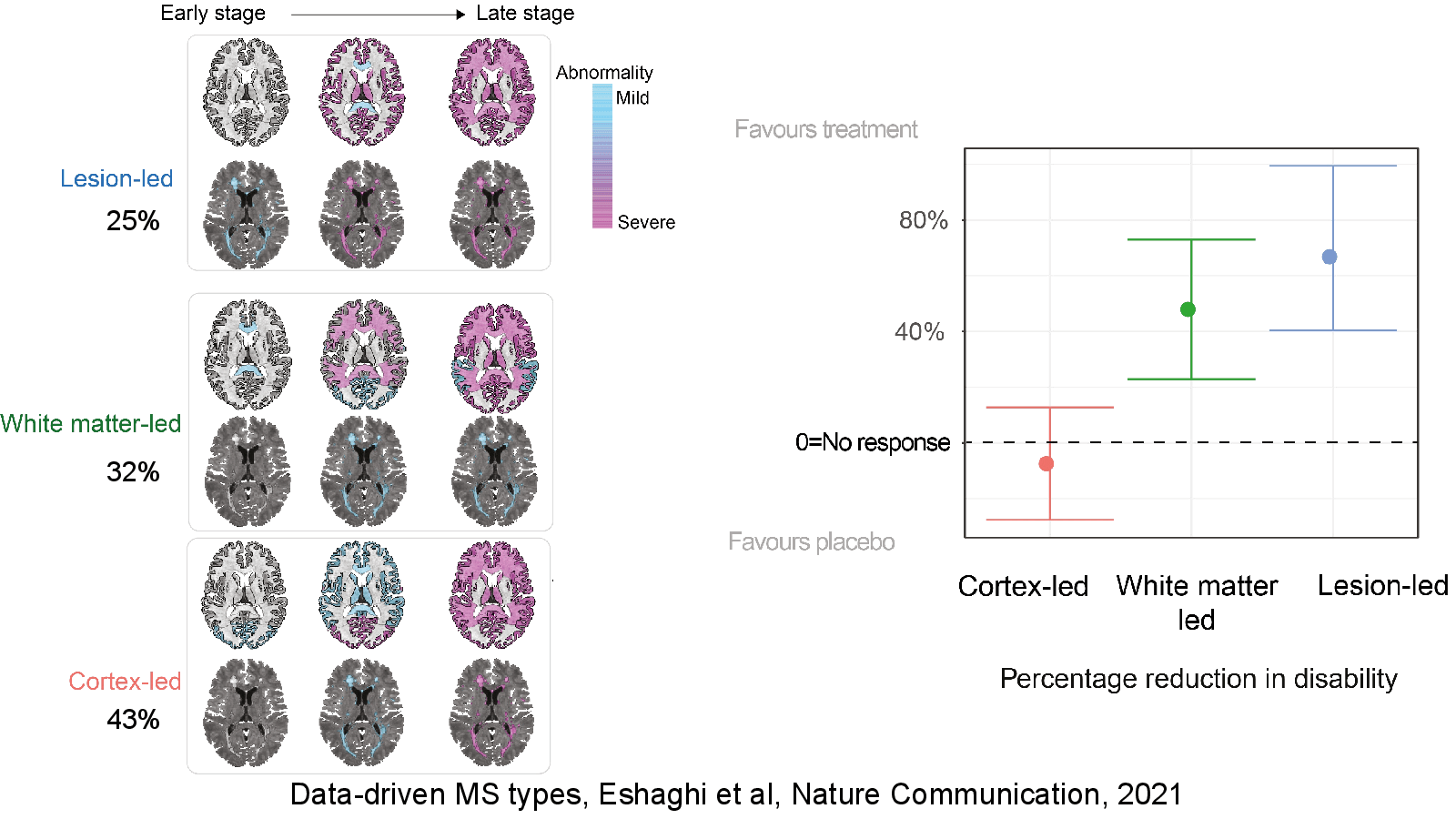
    Slide 8: Data-driven MS types, Eshaghi et al, Nature Communication, 2021Open full-size slide

    25%

    32%

    43%

    Speaker notes

    The effect size, expressed as mean difference in annual percentage cortical thickness change (MD-APC), is graphically displayed in different shades of blue for each of the Desikan-Killiany atlas25 regions presenting significant differences between groups after correction for multiple comparisons.

    References

  5. Slide 09

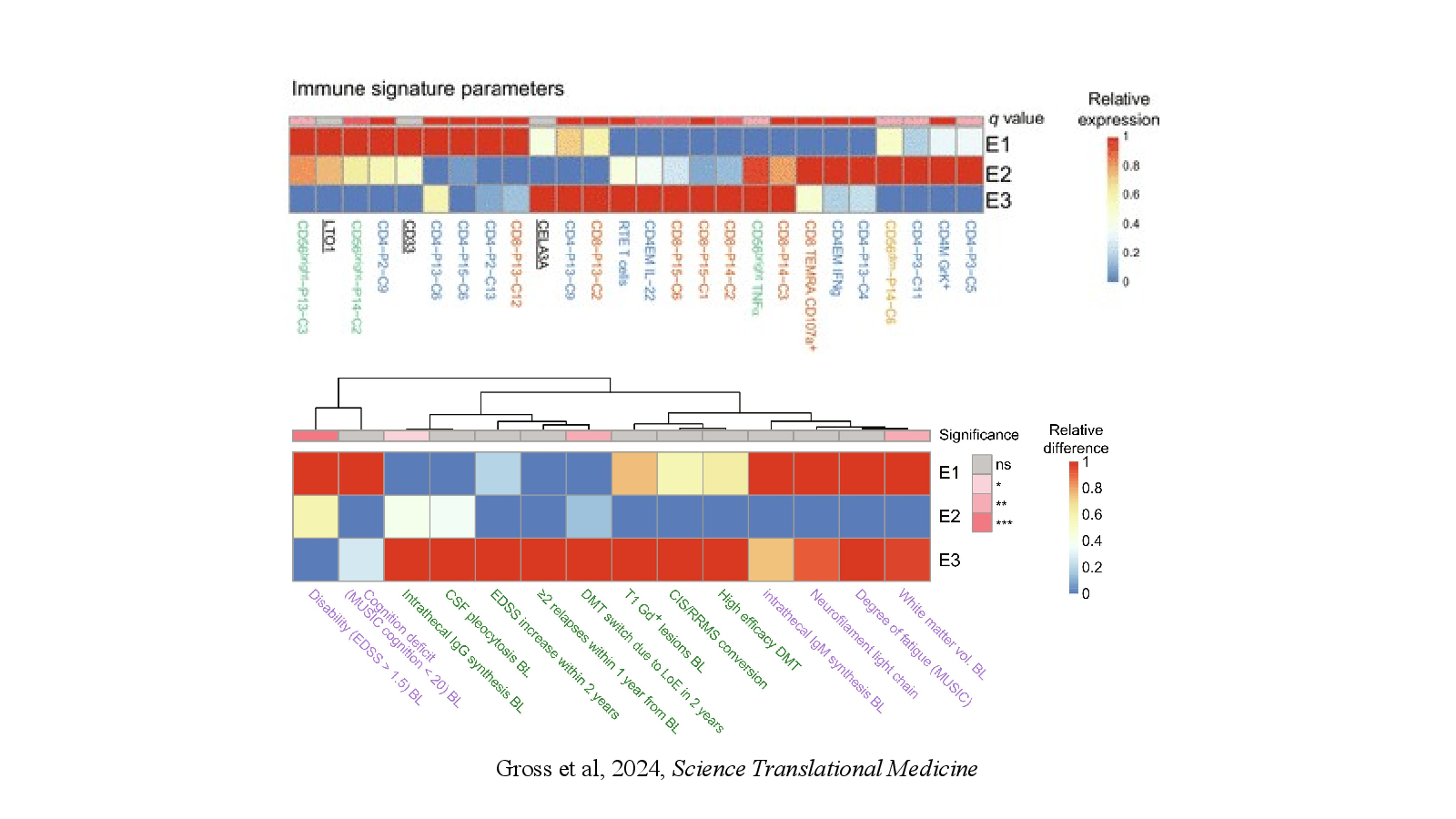
    Gross et al, 2024, Science Translational Medicine
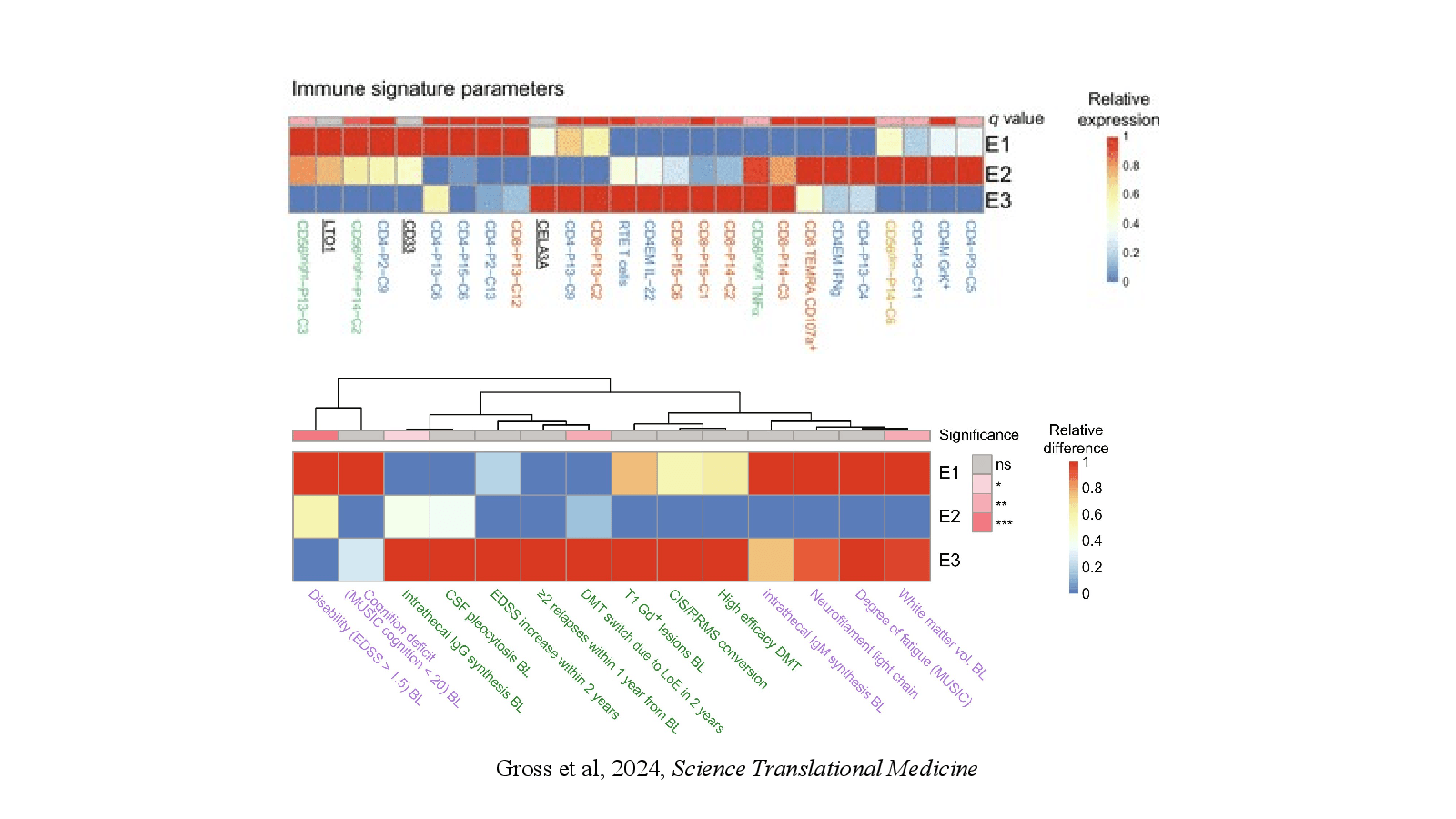
    Slide 9: Gross et al, 2024, Science Translational MedicineOpen full-size slide
    Speaker notes

    Gross et al. employed this method to uncover three groups based on immune cell markers in early MS, with different patterns in CD4, CD8 T cells, natural killer cell compartments, and cytokines[25]. These endotypes showed subtle variations in disease course and treatment response, suggesting potential future clinical applications

    References

  6. Slide 15

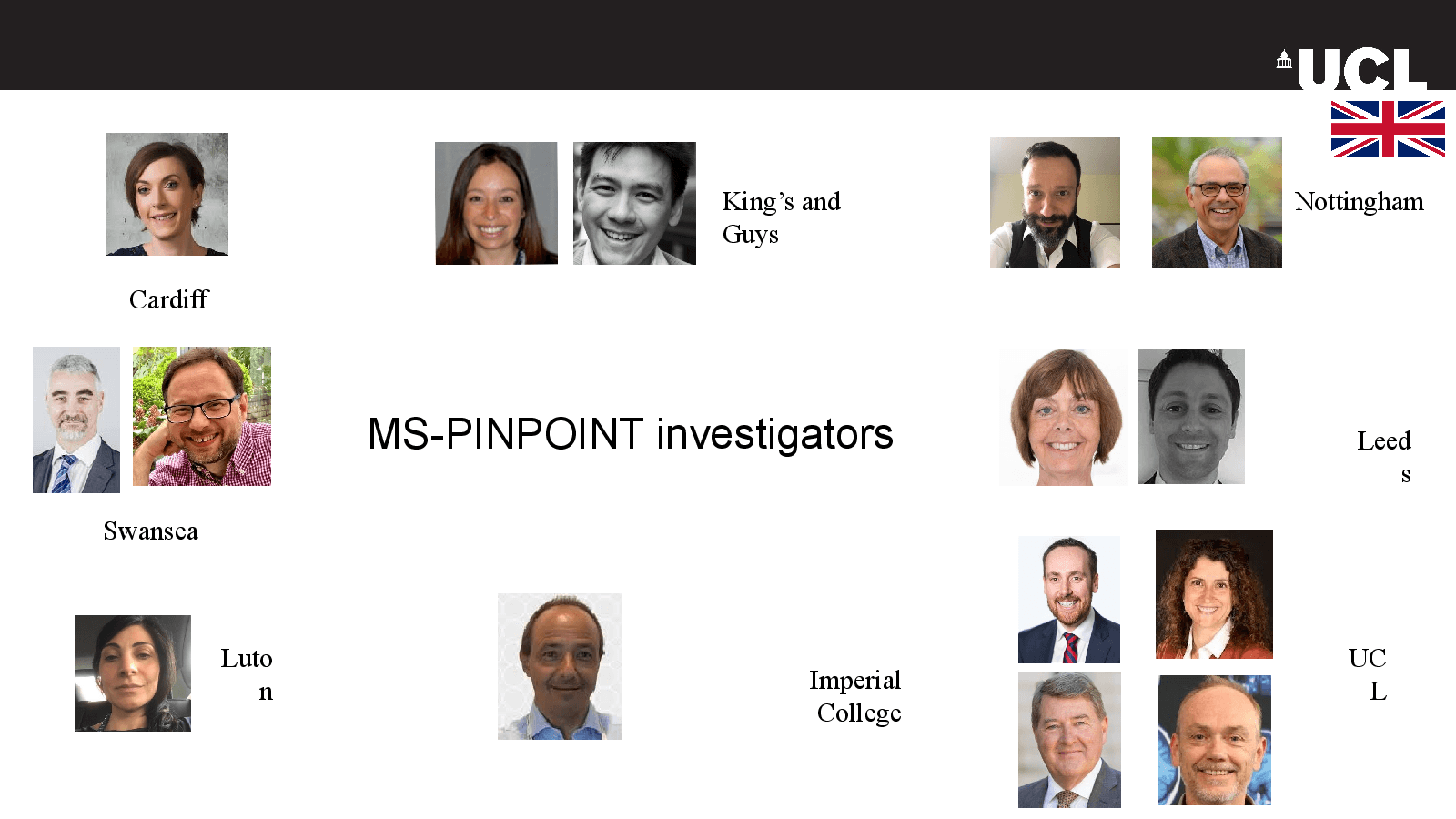
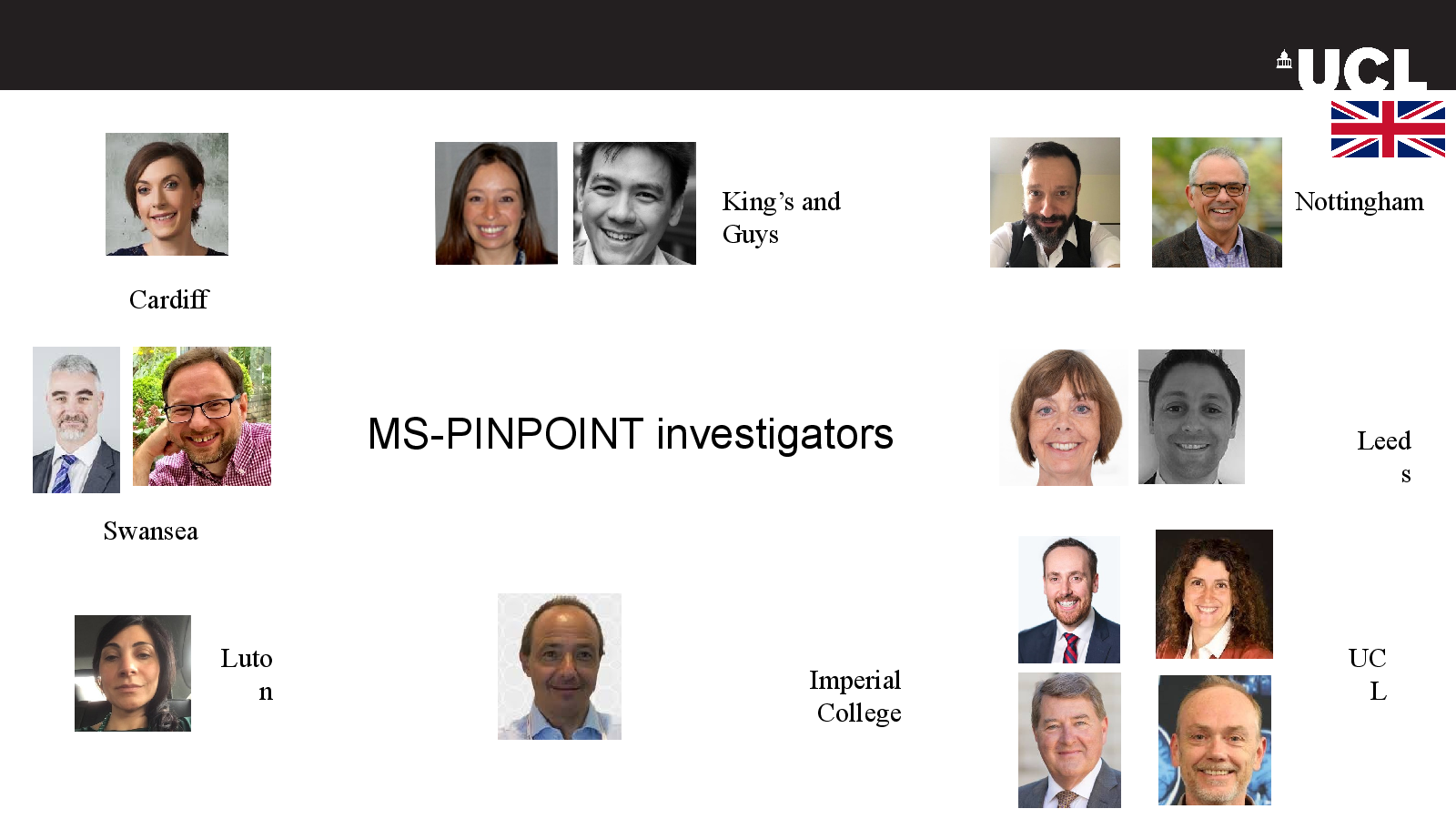
    MS-PINPOINT investigators

    Slide 15: MS-PINPOINT investigatorsOpen full-size slide

    King’s and Guys

    Nottingham

    Cardiff

    Leeds

    Swansea

    UCL

    Luton

    Imperial College

  7. Slide 17

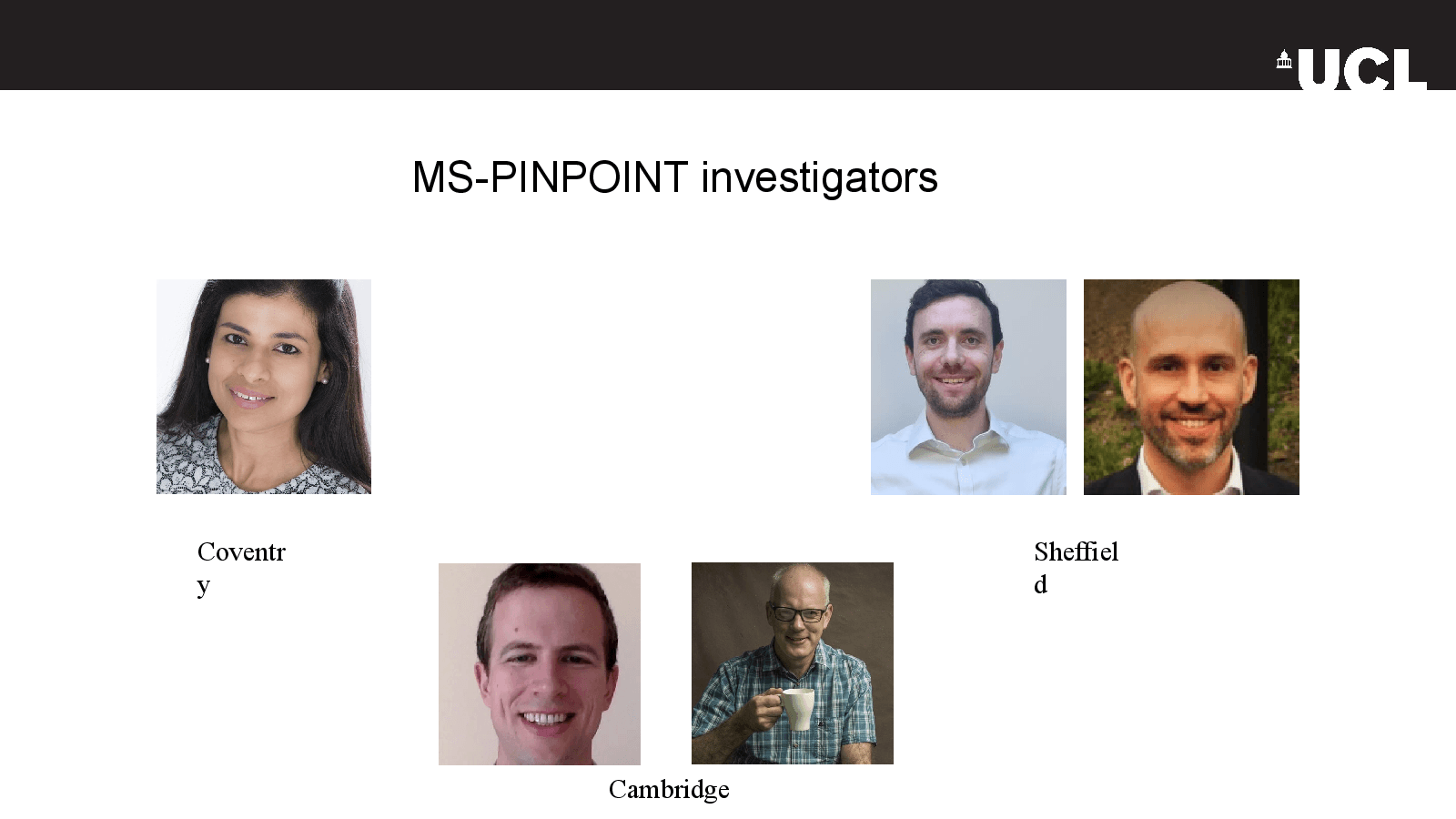
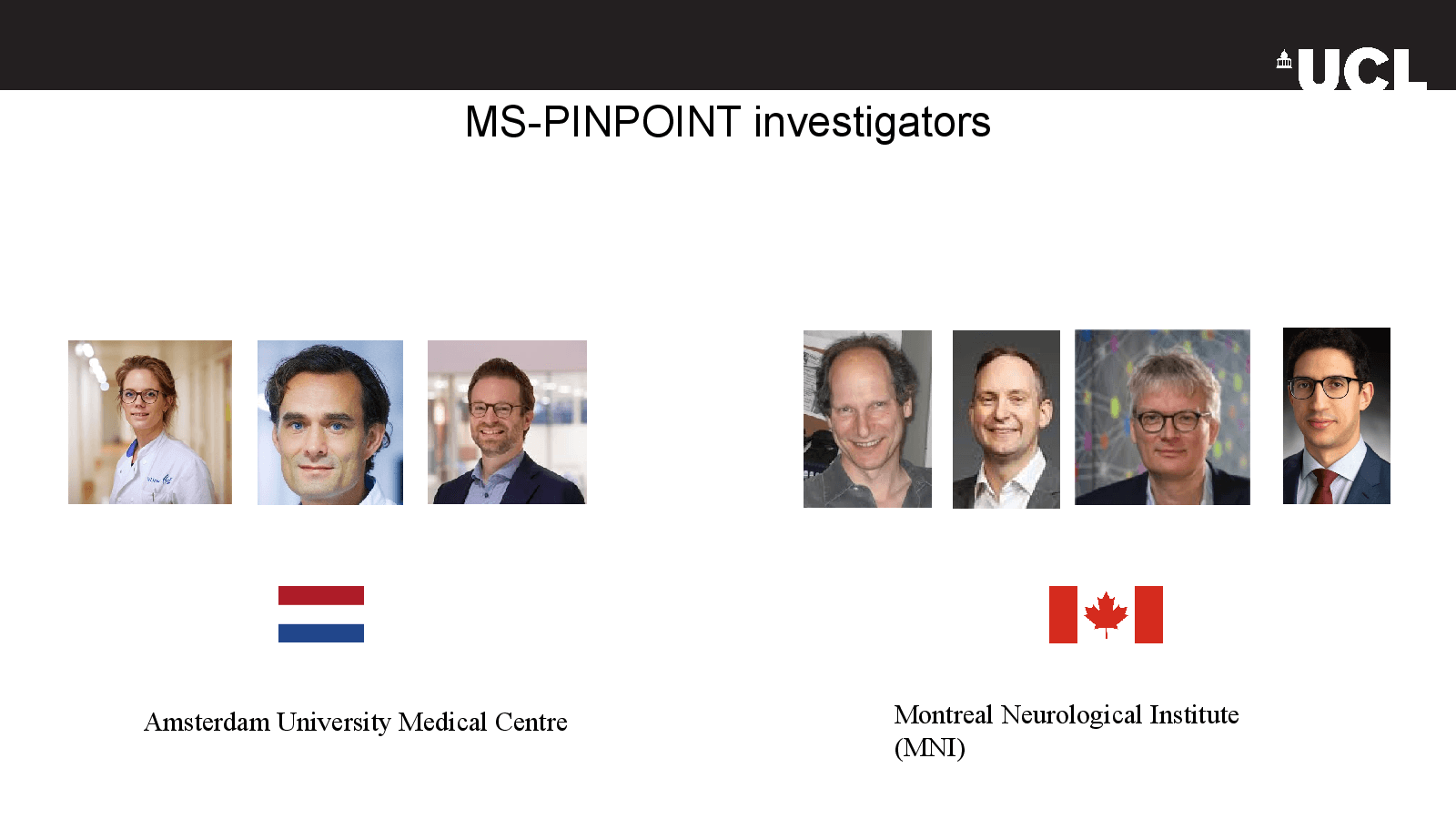
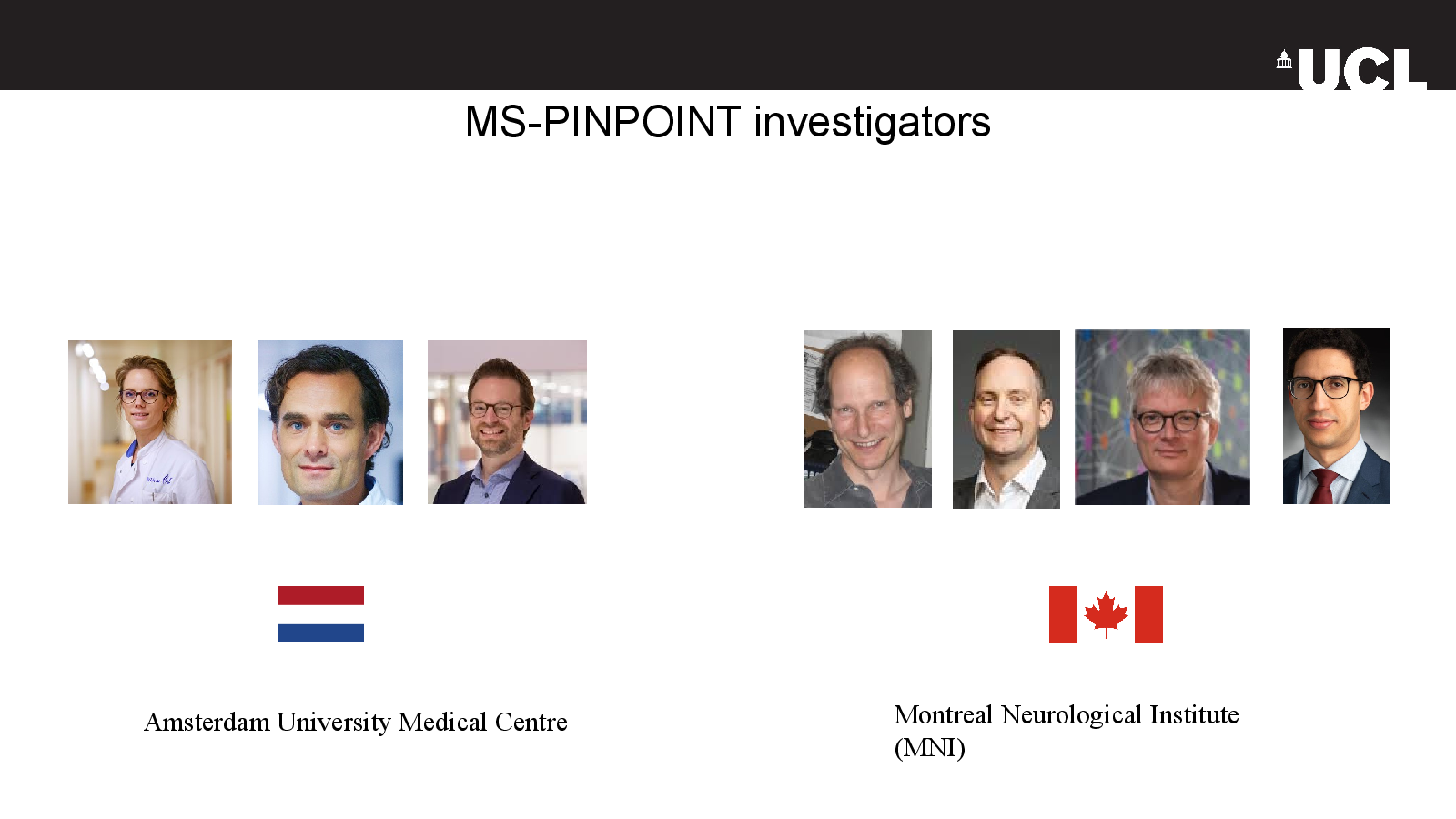
    MS-PINPOINT investigators

    Slide 17: MS-PINPOINT investigatorsOpen full-size slide

    Montreal Neurological Institute (MNI)

    Amsterdam University Medical Centre