Invited lecture ·
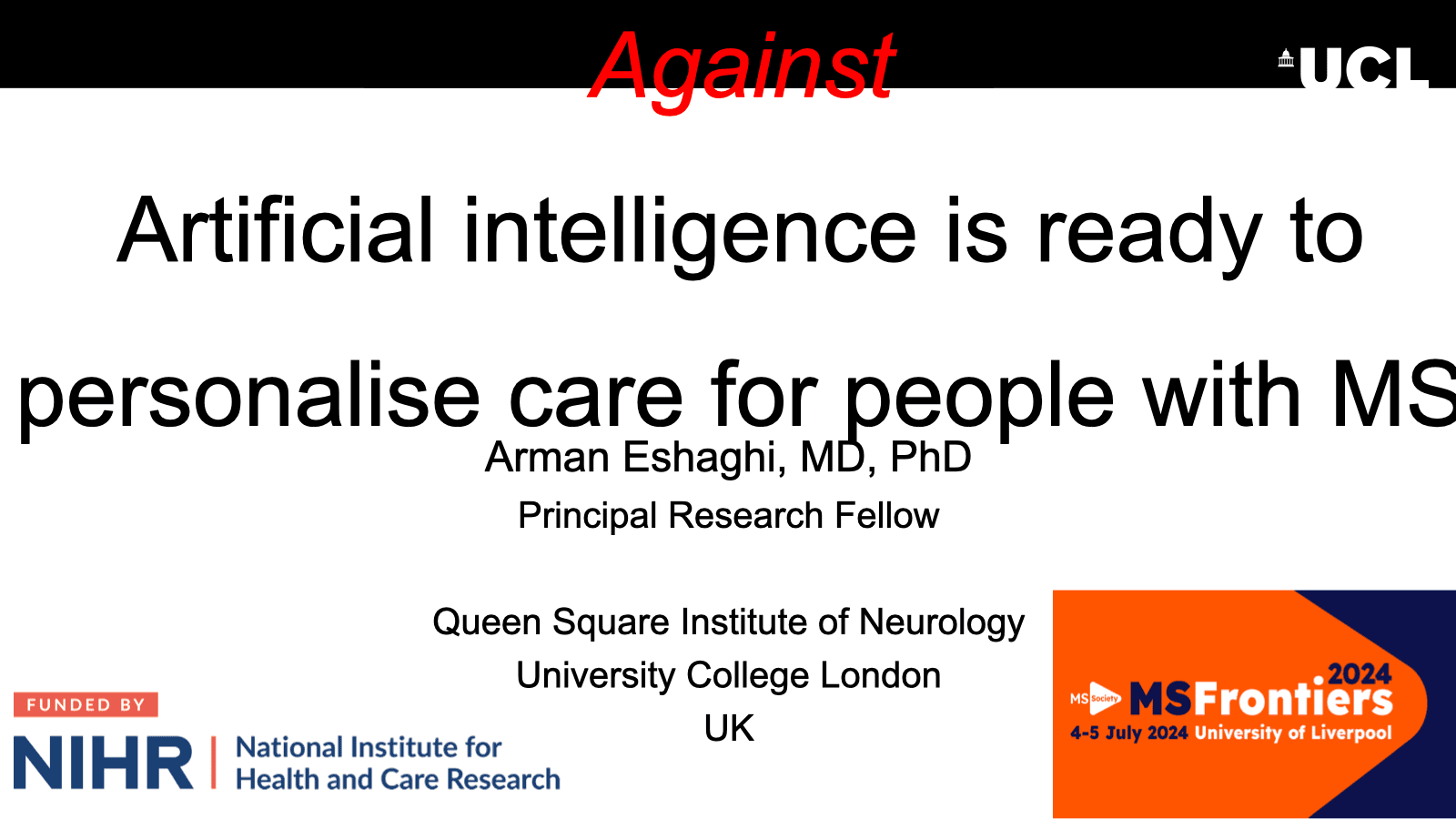
Precision treatment strategies with machine learning in multiple sclerosis
An MS-PINPOINT progress talk linking routine MRI, health records and privacy-conscious machine learning.
Montreal Neurological Institute seminar · Montreal
- Delivered
- Event
- Montreal Neurological Institute seminar
- Place
- Montreal
- Format
- Invited lecture
- Published deck
- 15 slides
From the slides
Deck notes
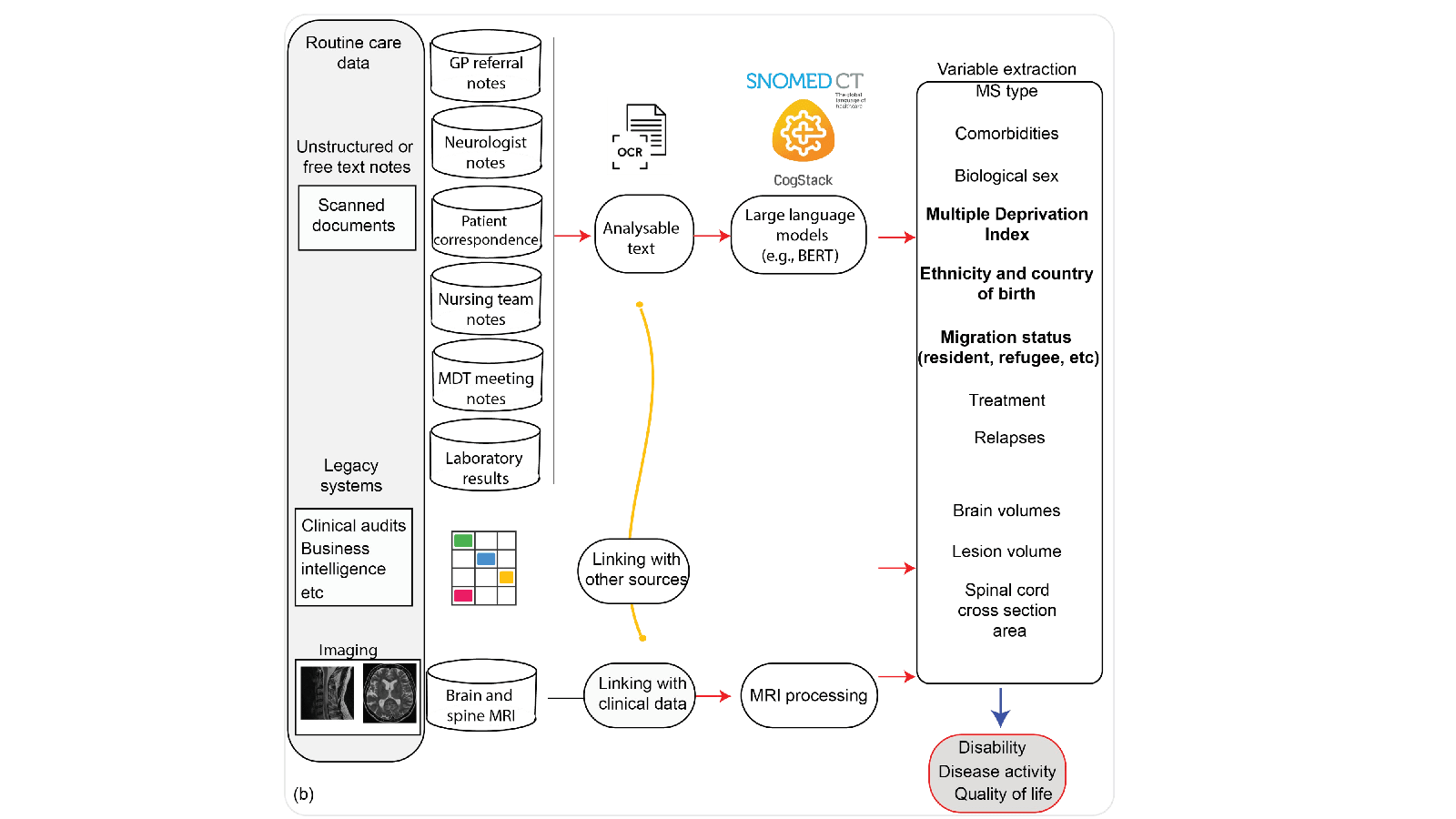
This seminar presented the MS-PINPOINT approach to precision treatment research in multiple sclerosis. It connected routine brain and spinal cord imaging with clinical records and privacy-conscious analysis across centres.
The question
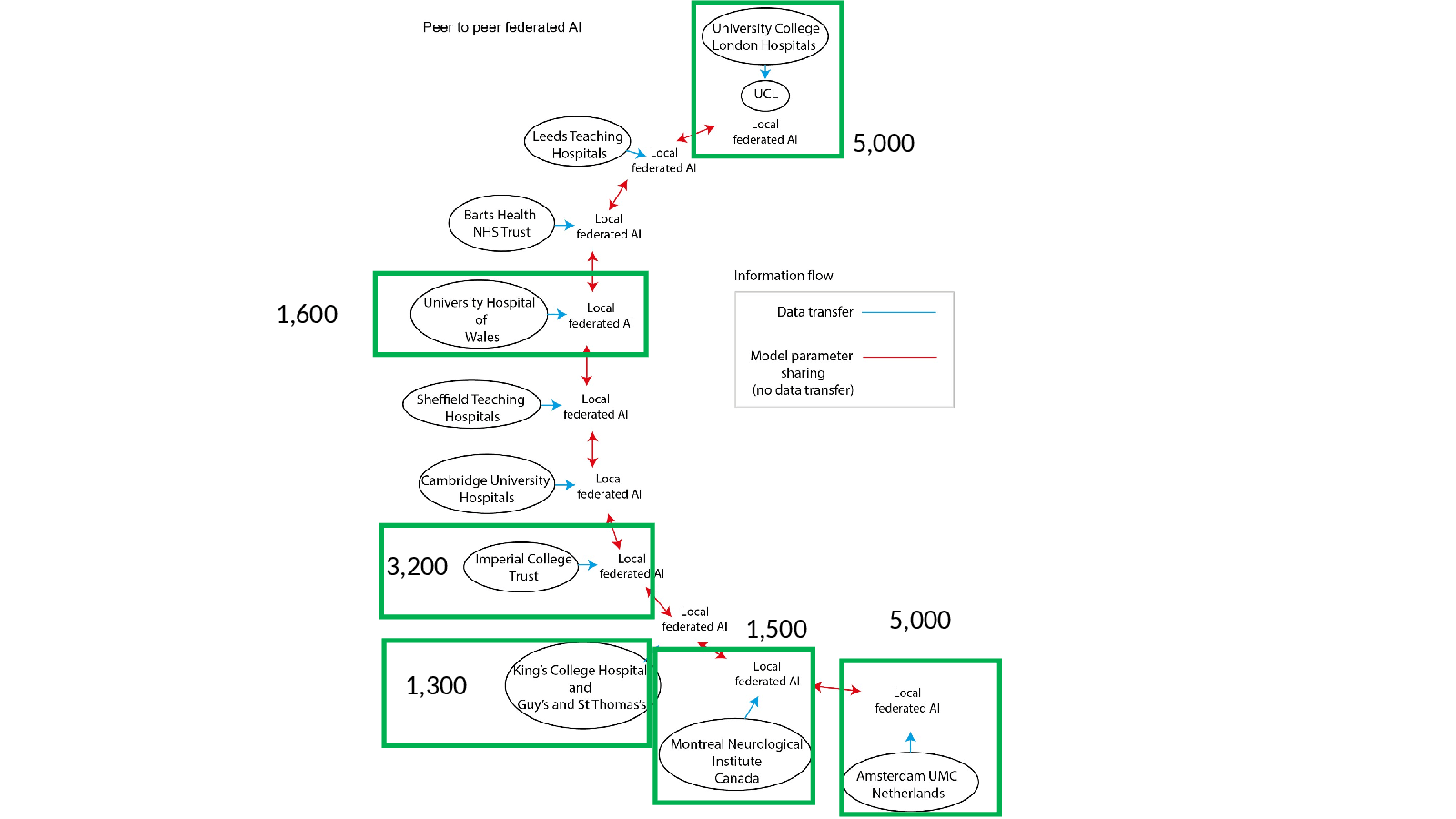
How can routine-care data be used to estimate MS type, prognosis and treatment response while keeping data within participating centres?
Deck outline
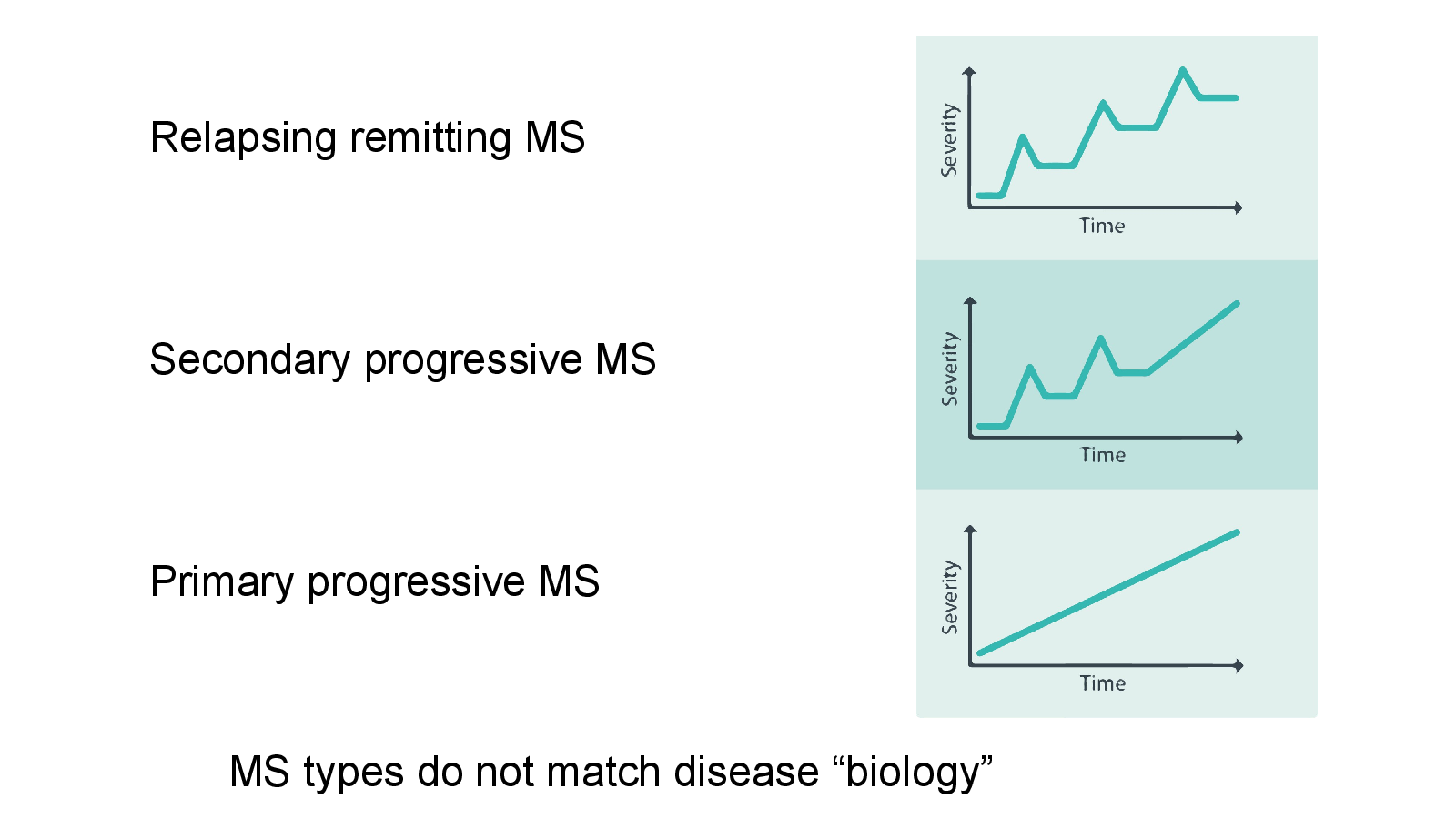
- The mismatch between clinical labels and underlying disease biology
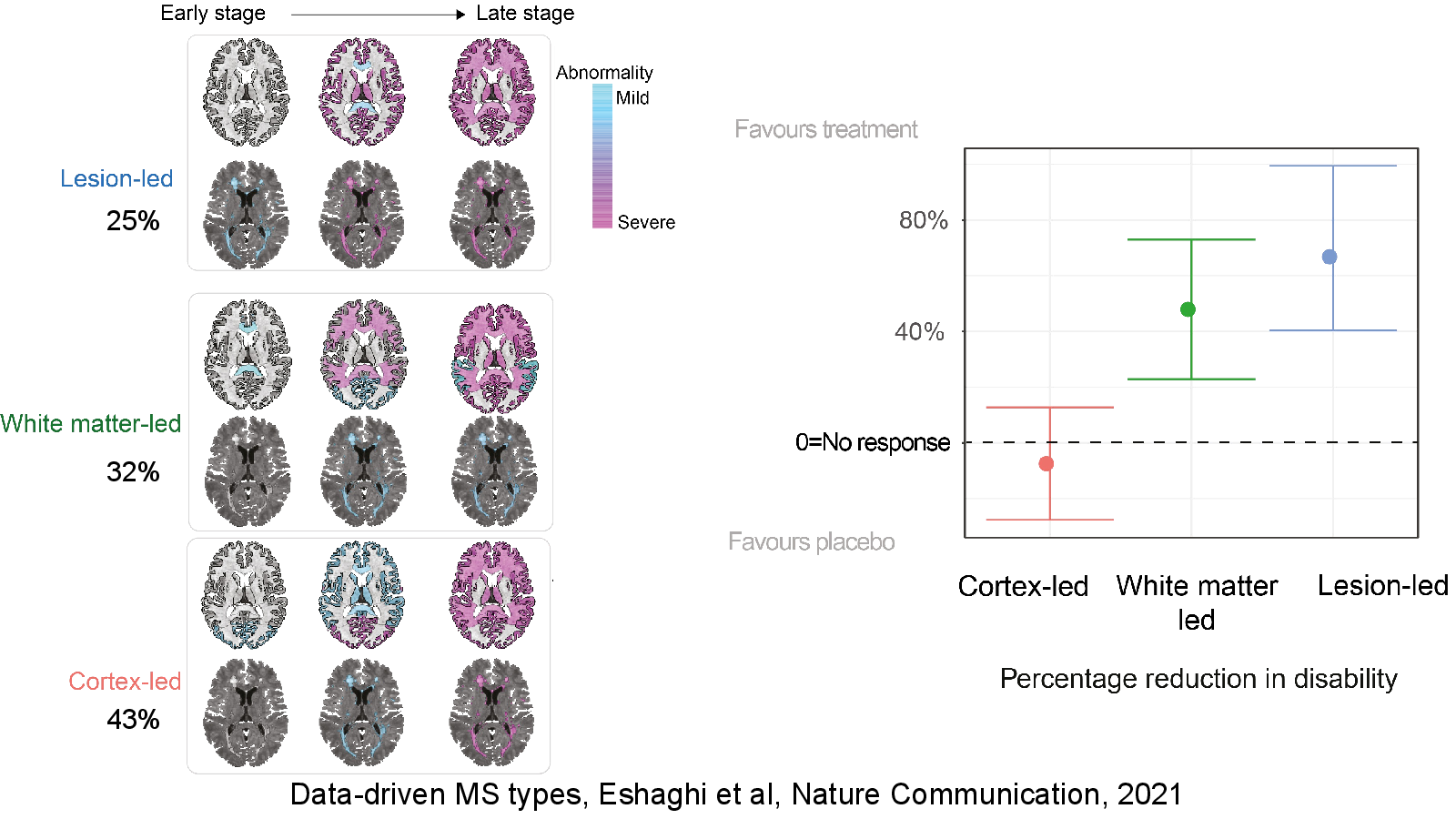
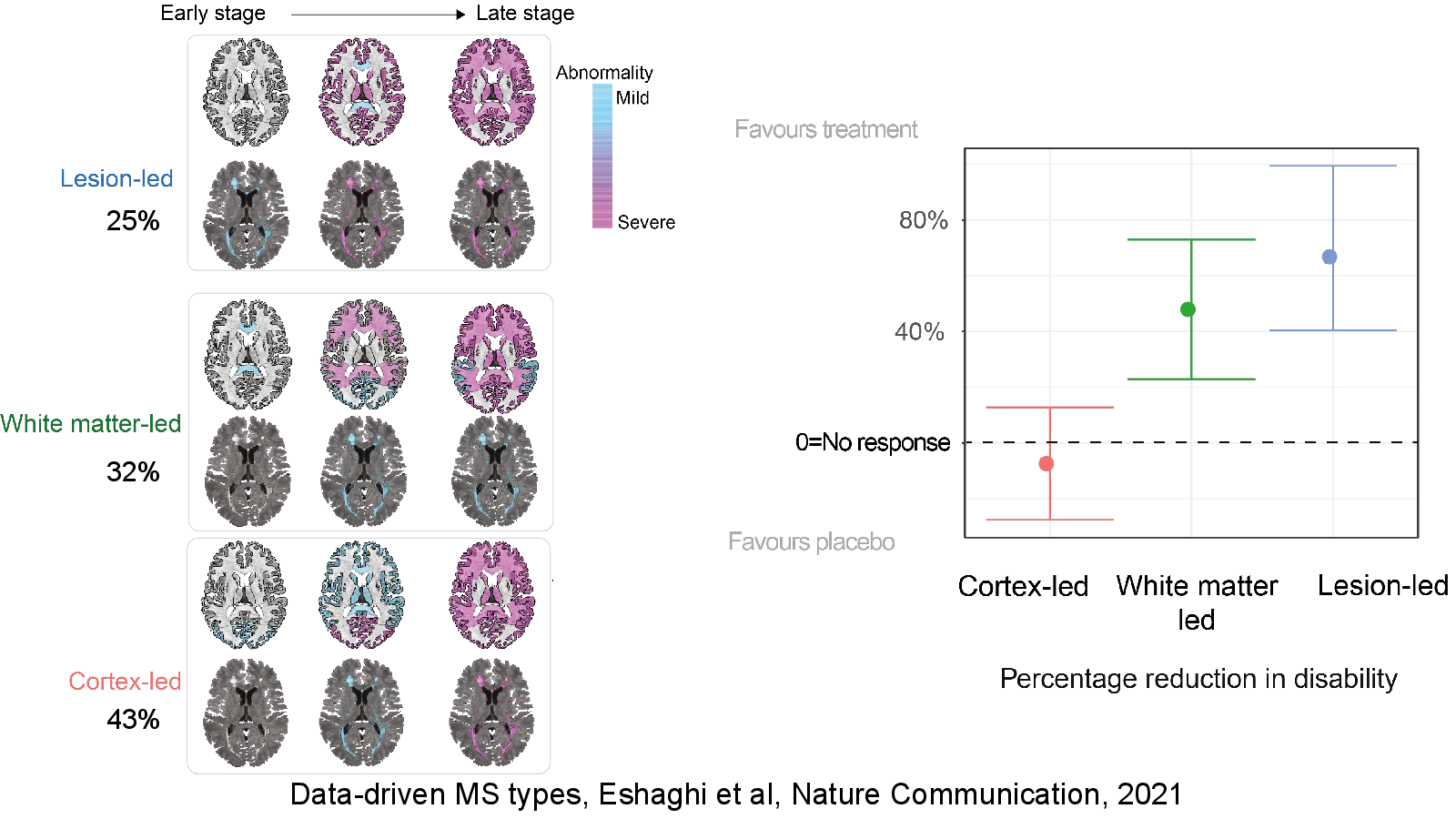
- Data-driven MRI subtypes of multiple sclerosis
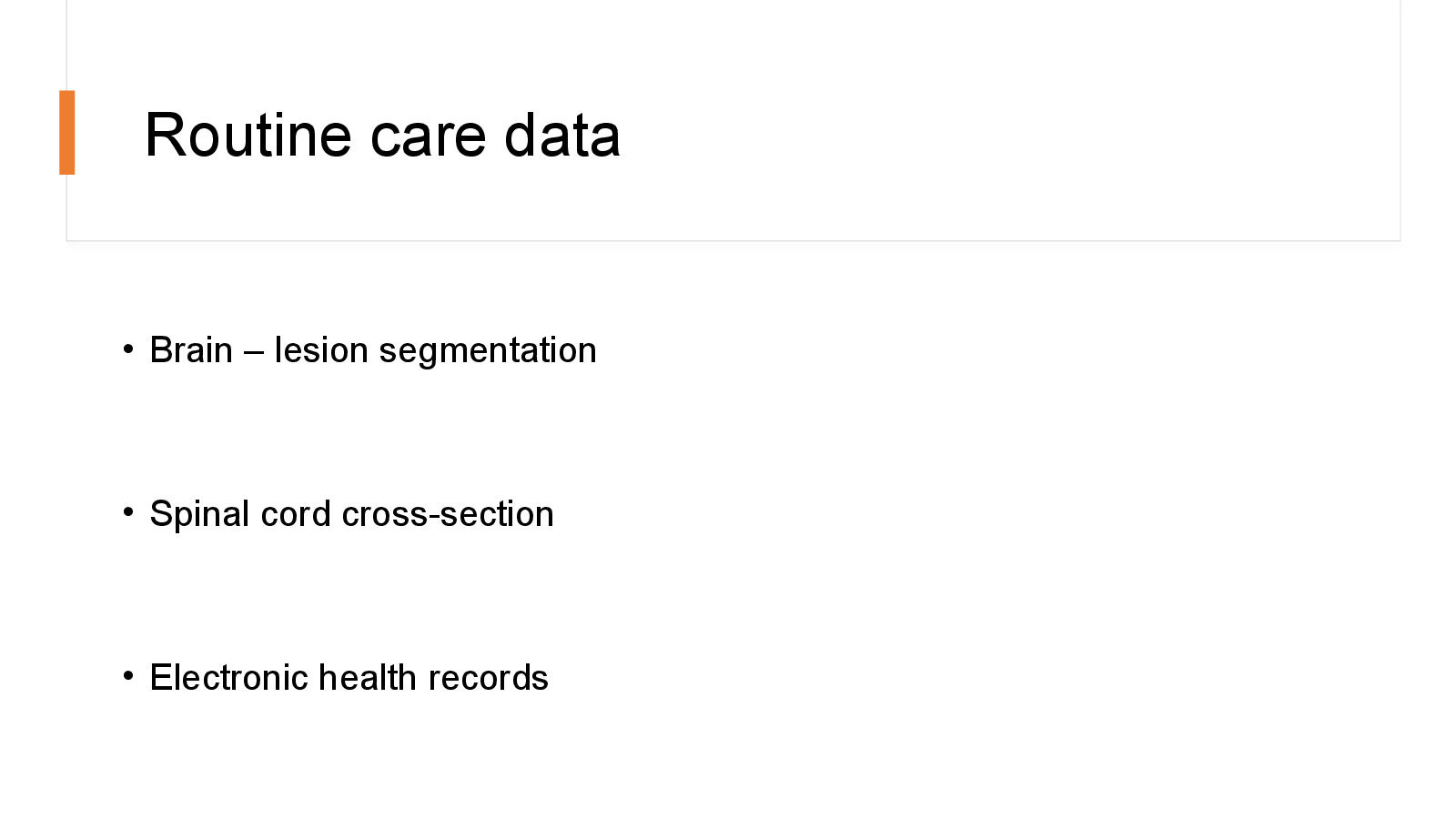
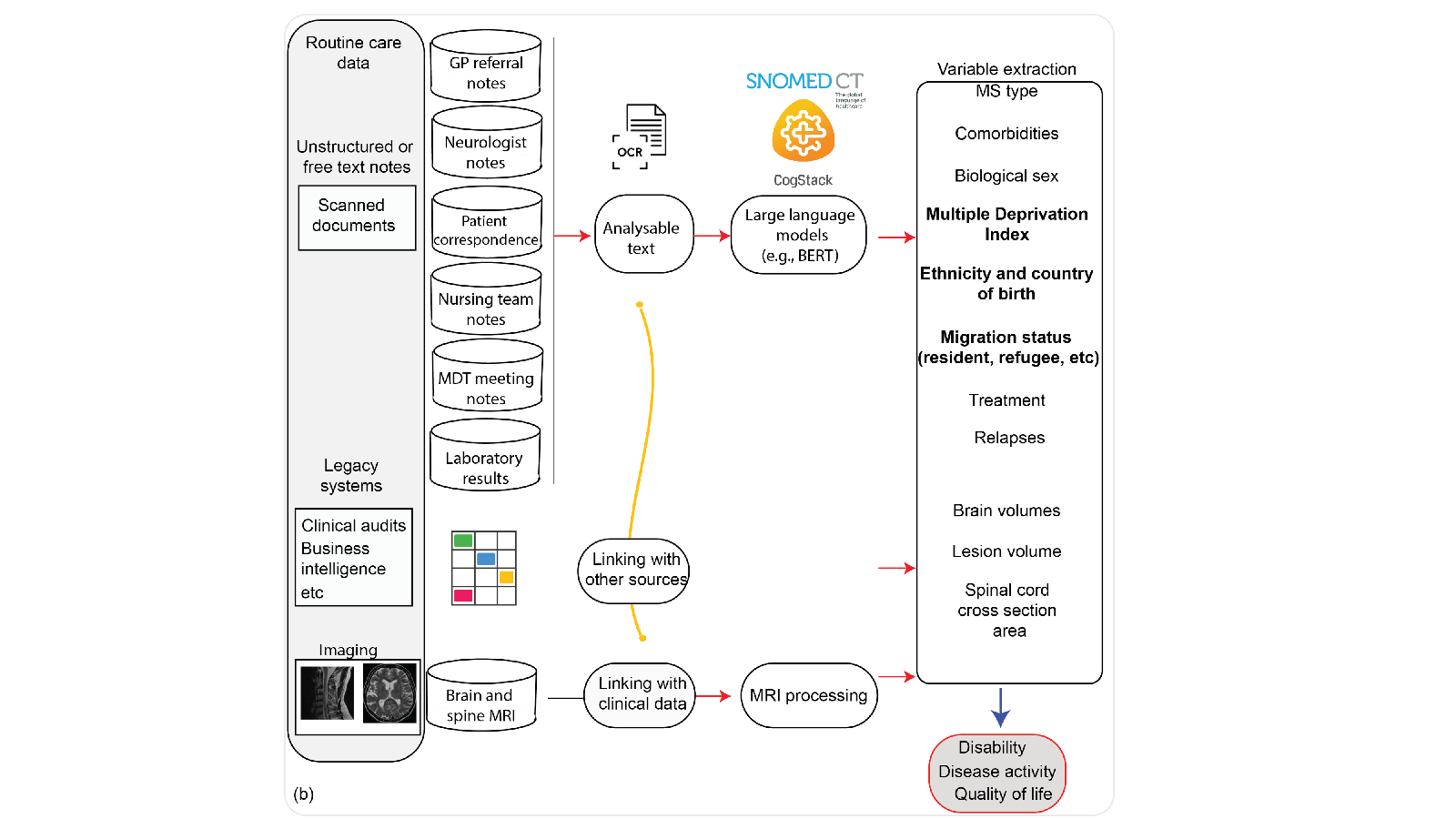
- Routine brain MRI, spinal cord imaging and electronic health records
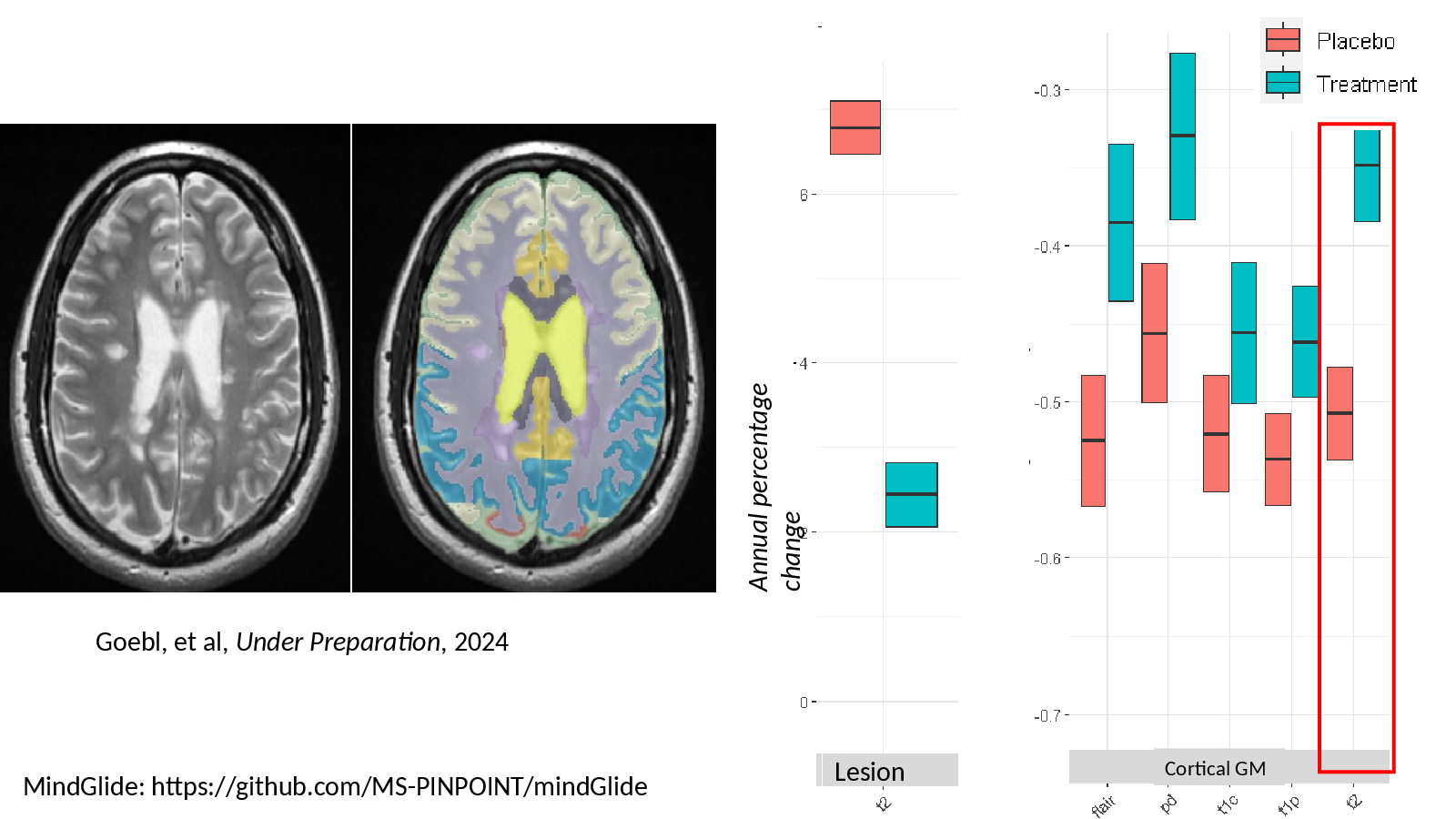
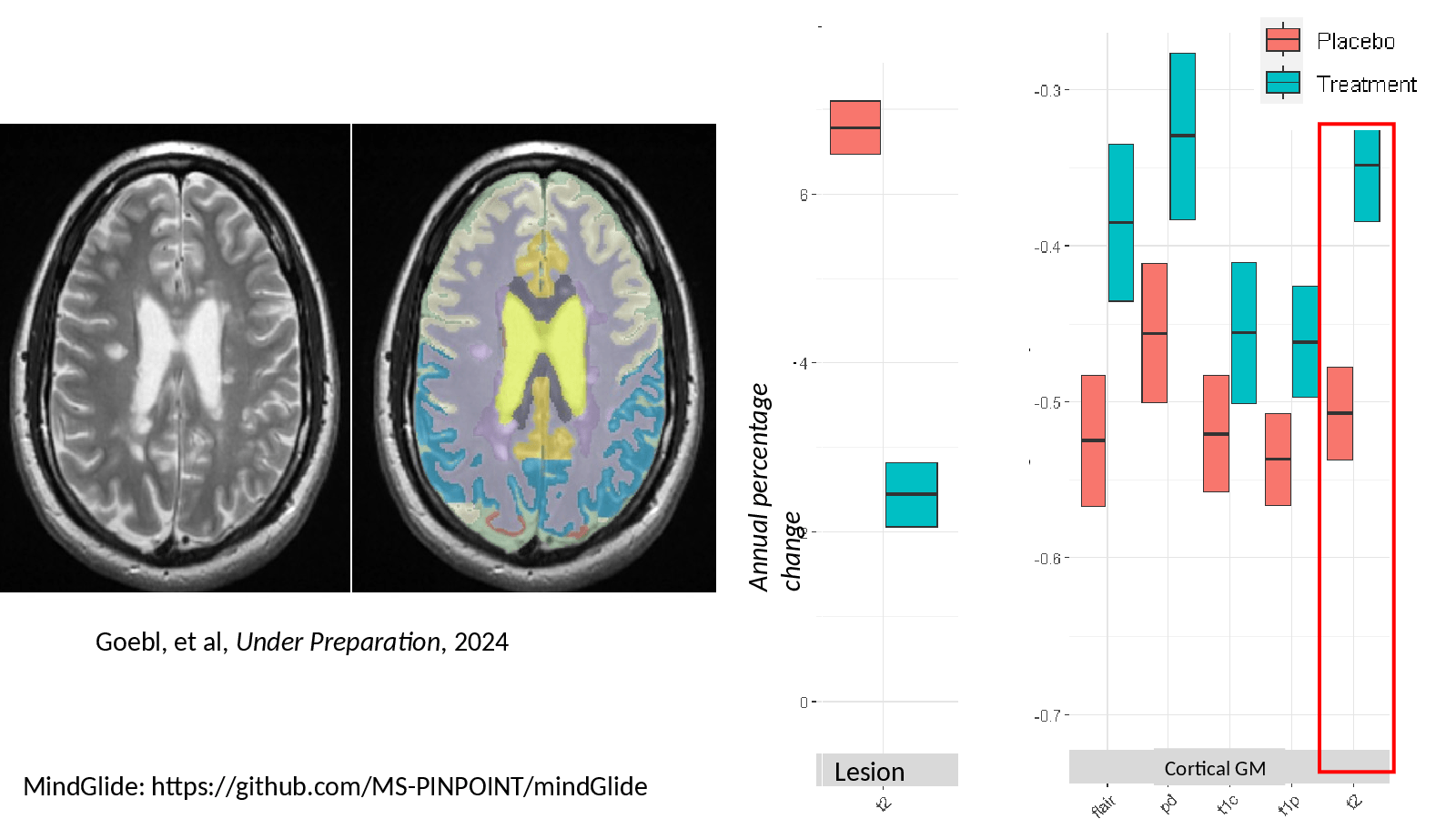
- Image segmentation designed for variable clinical scans
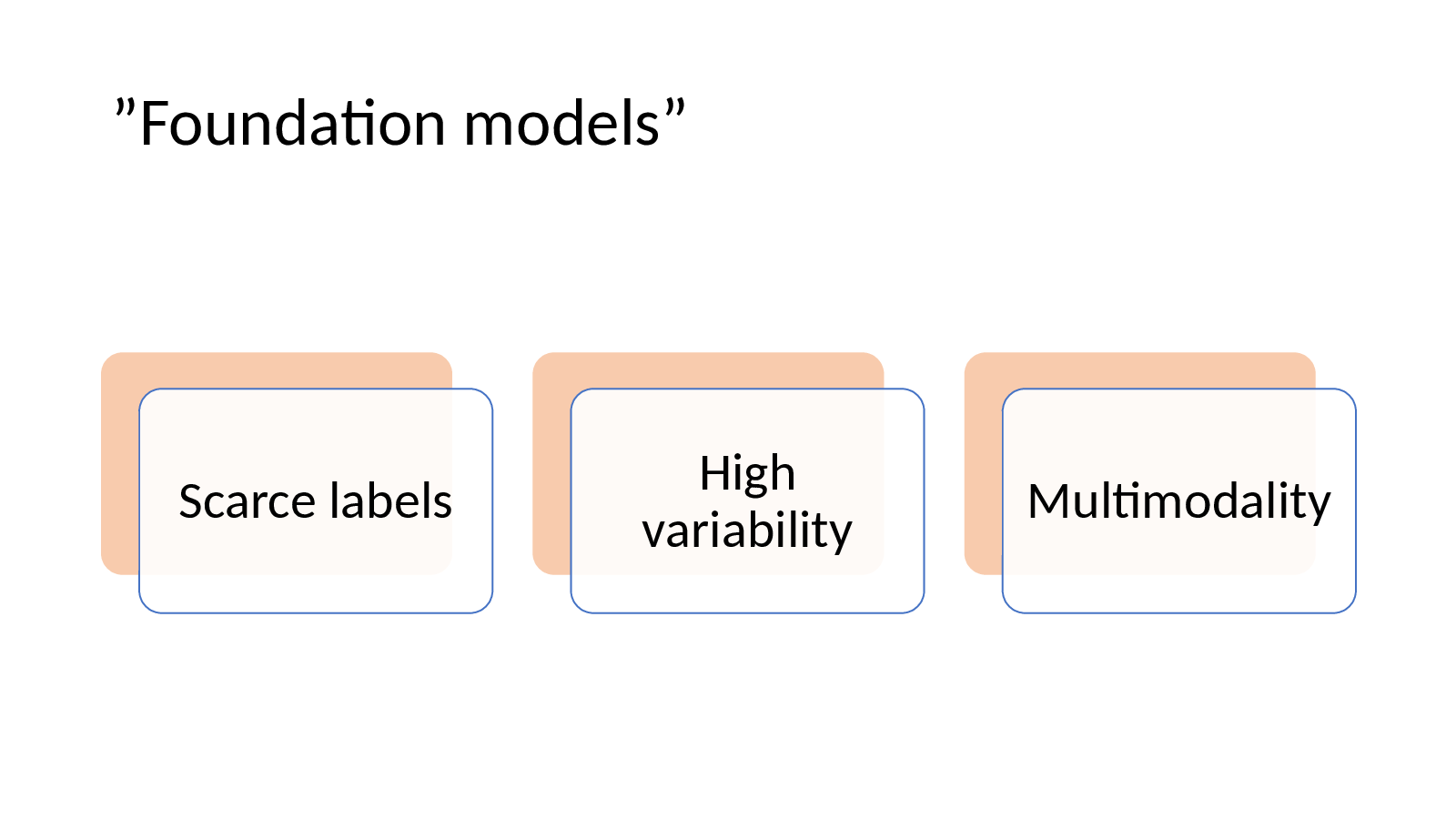
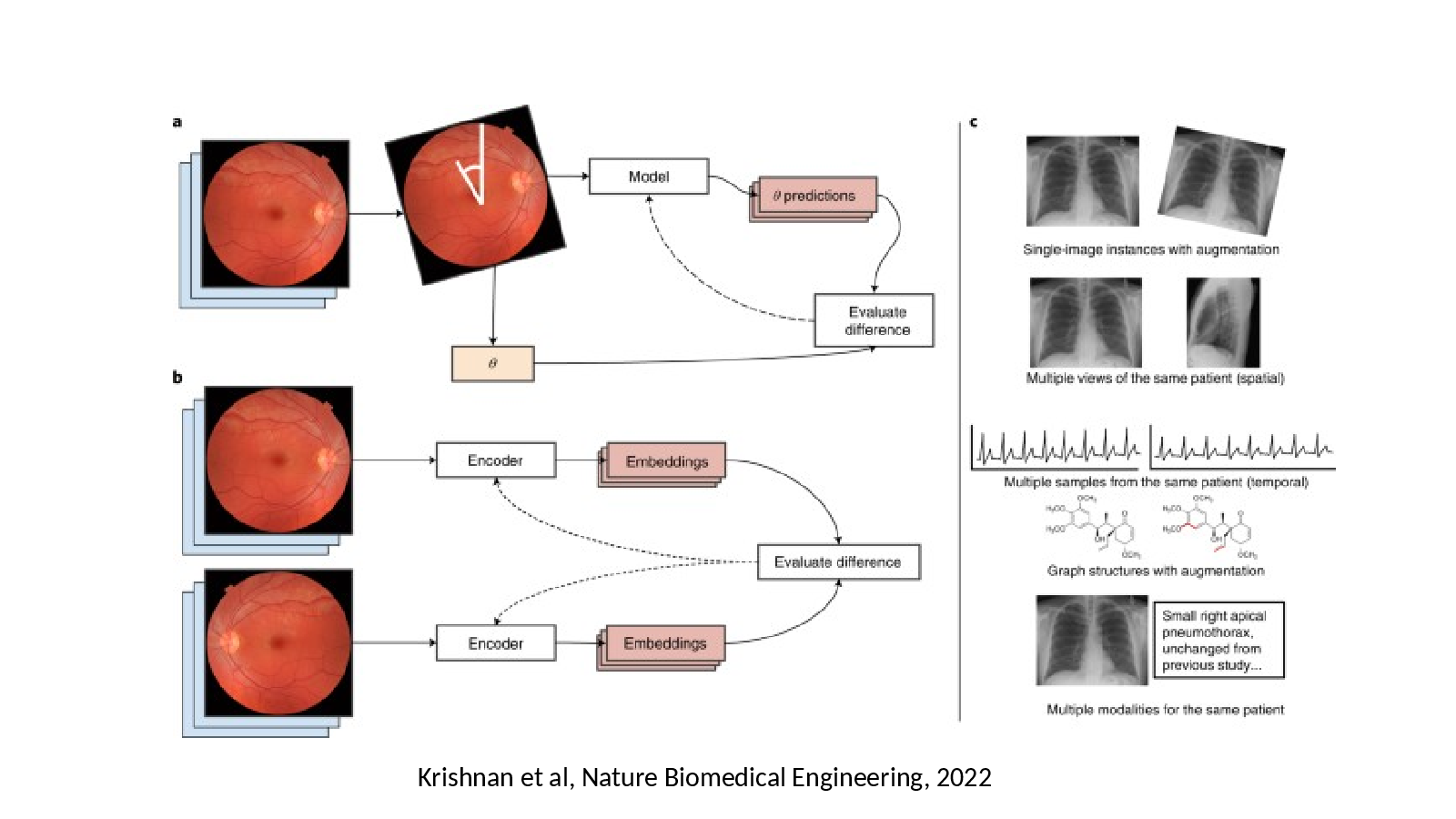
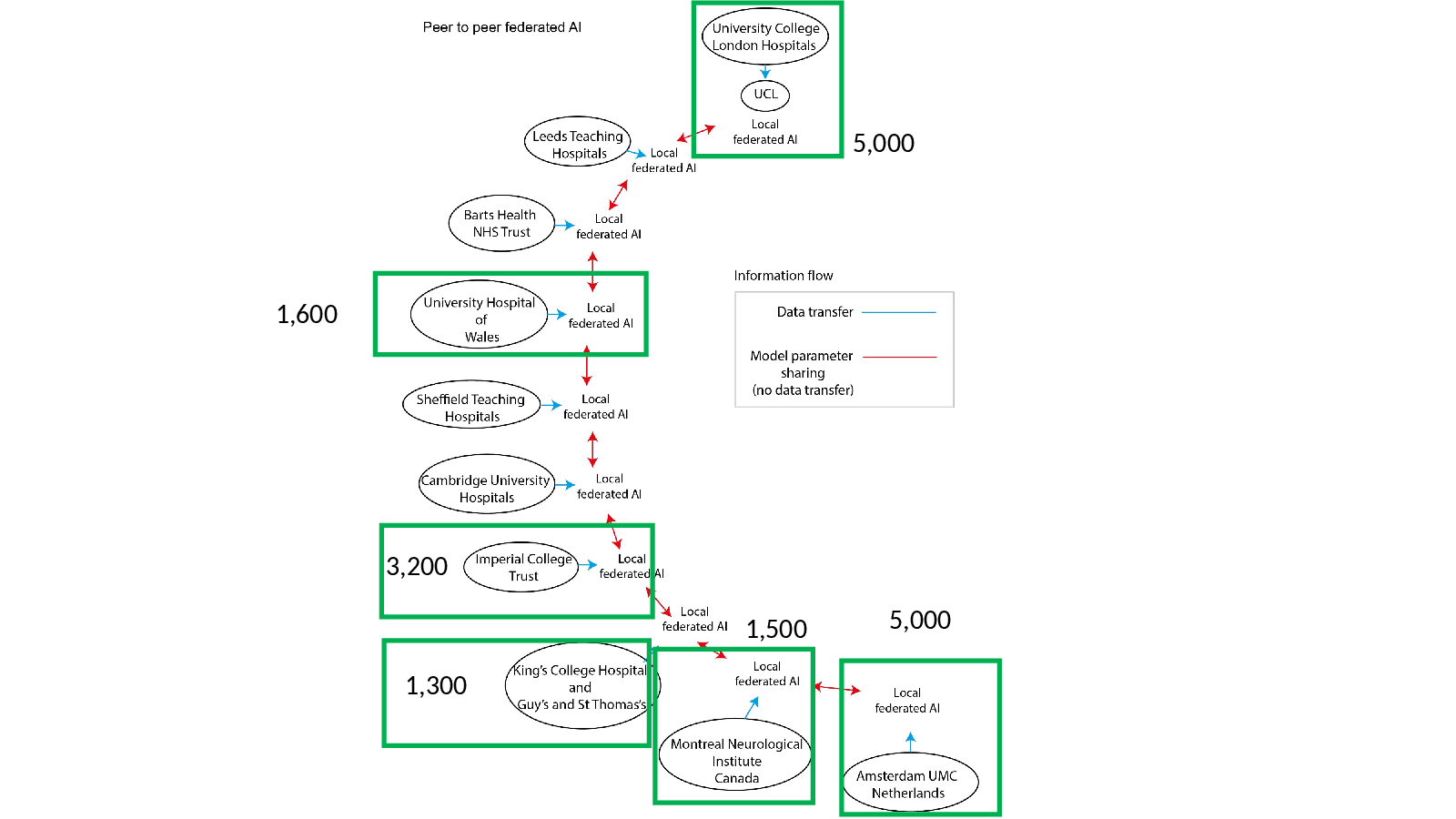
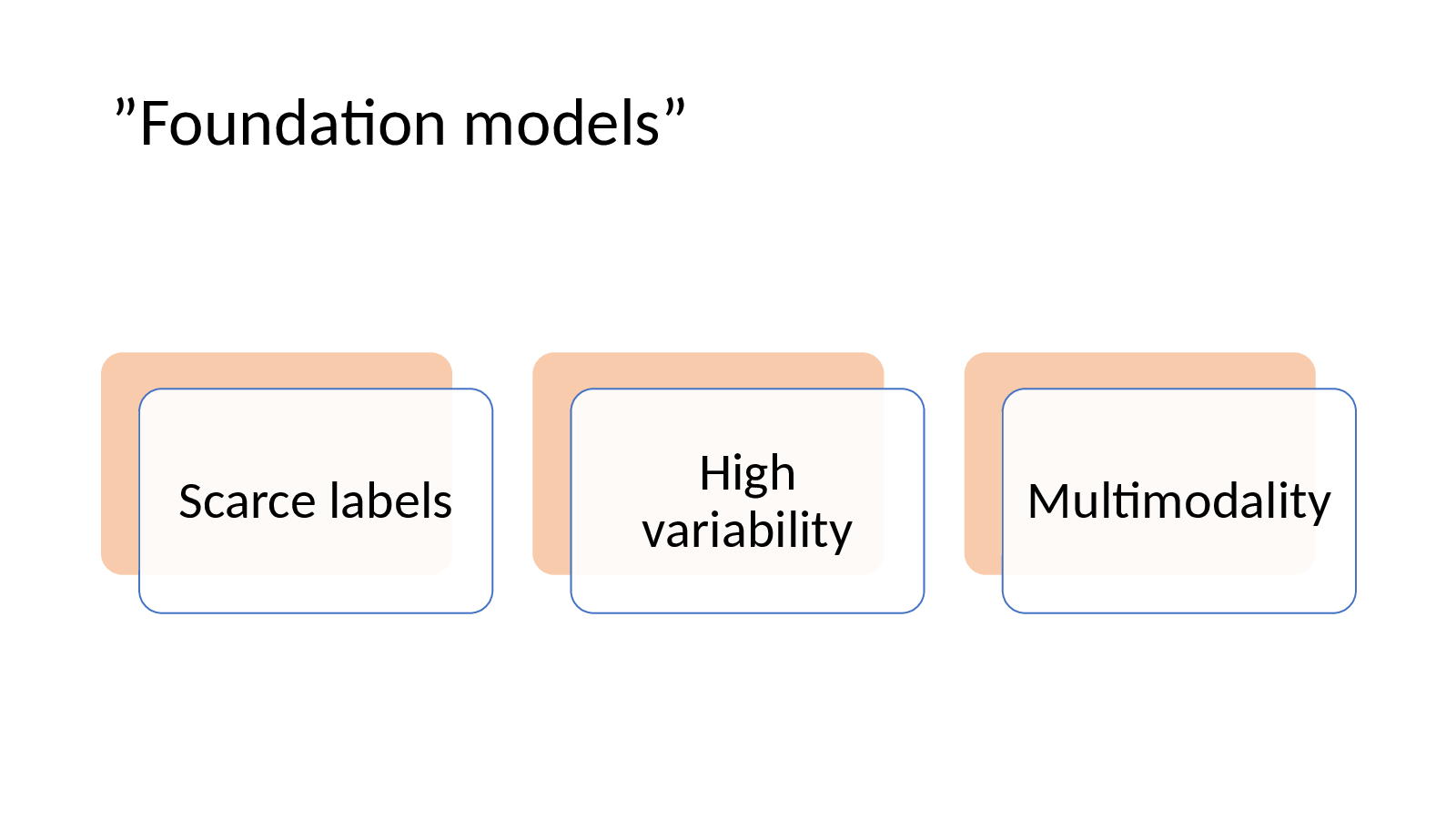
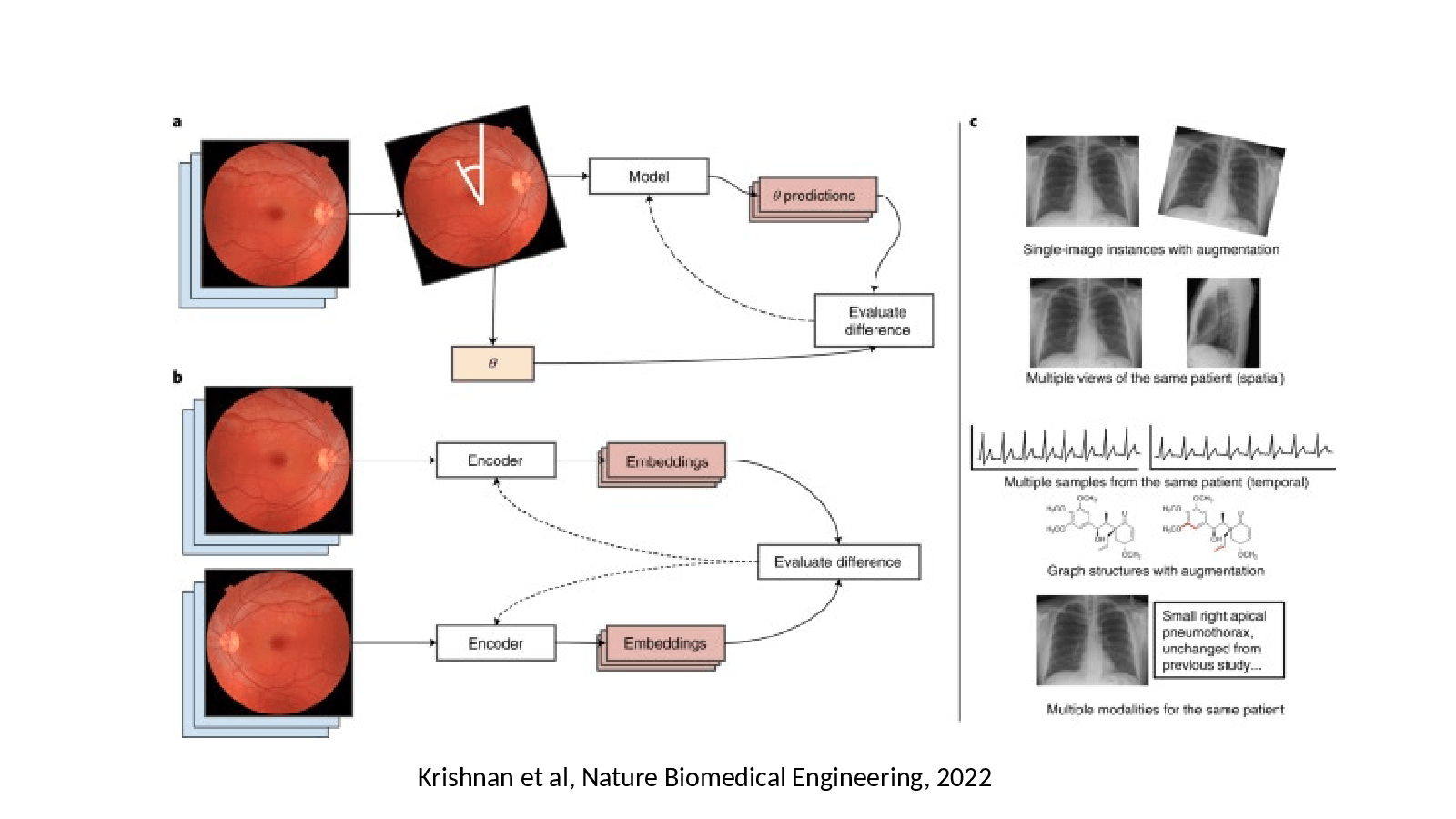
- Foundation models and federated learning
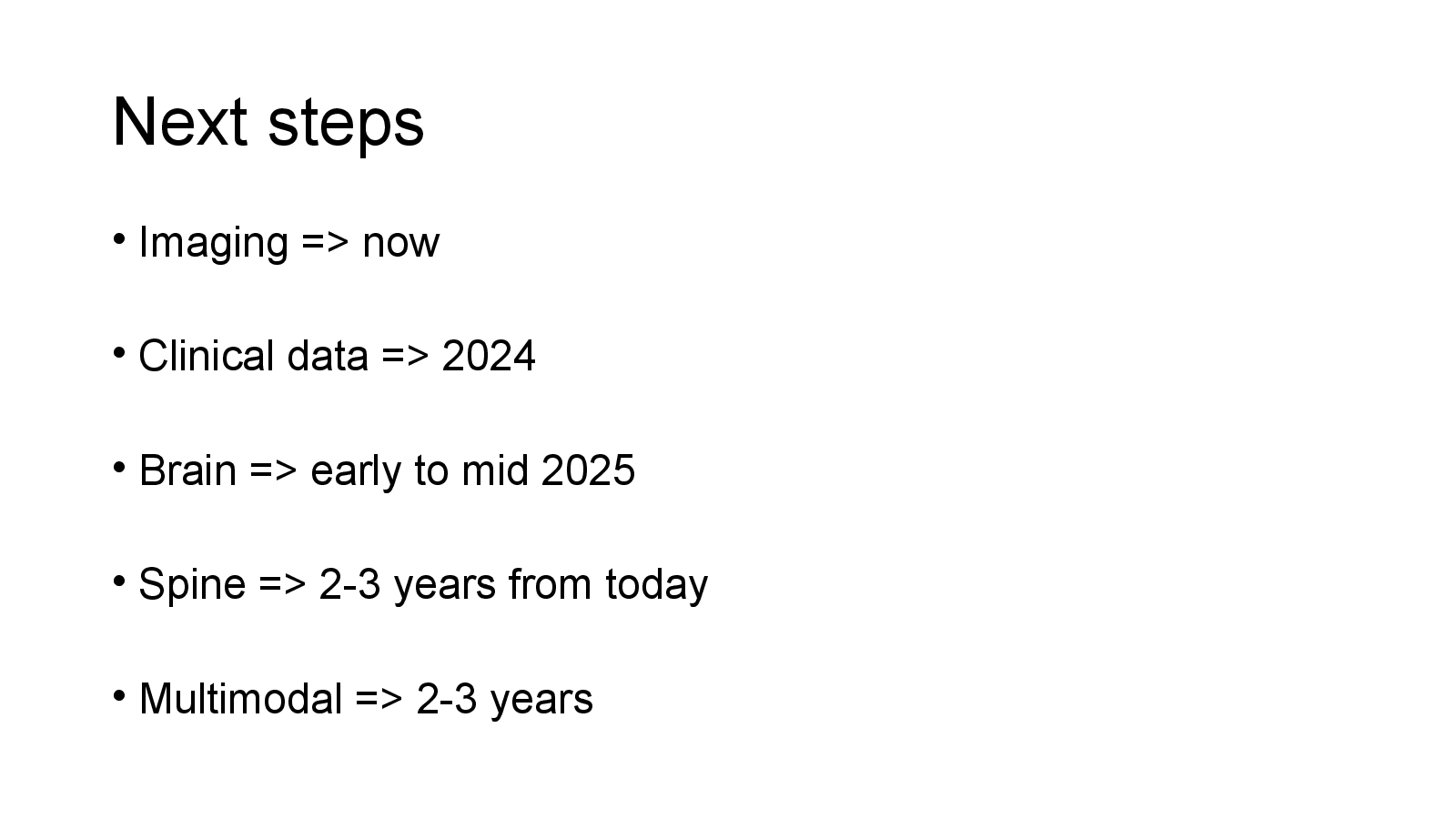
- A staged roadmap from imaging to multimodal treatment prediction
Take-away
The proposed route to precision treatment is incremental: make routine images measurable, combine them with clinical information, and support analysis across centres without centralising identifiable data.
Original deck
Slide by slide
Read the 15-slide presentation in order, or use the index to jump.
Slide 01
Precision Treatment Strategies with Machine Learning in Multiple Sclerosis (MS-PINPOINT)
Slide 02
Outline

Slide 03
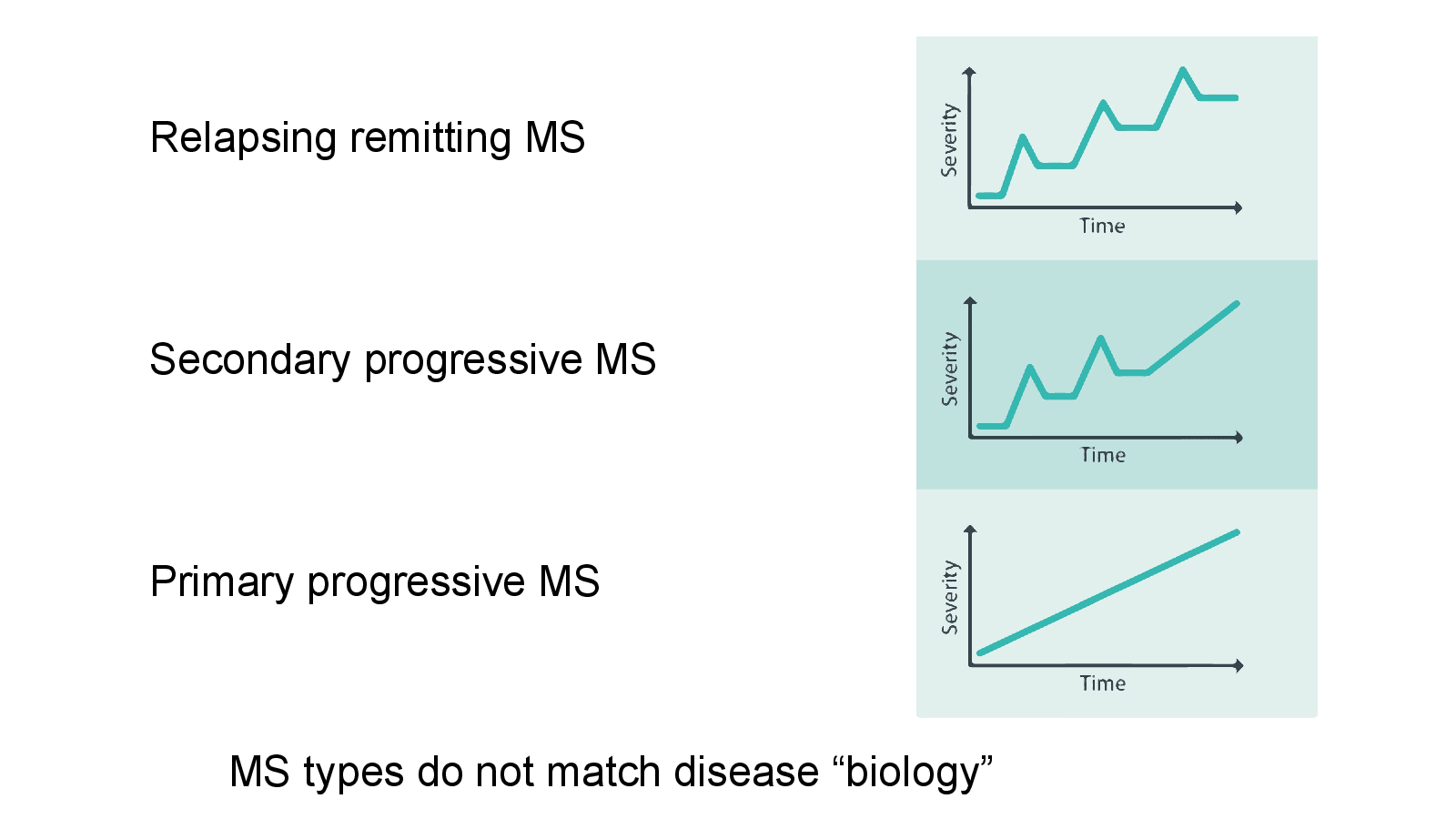
MS types do not match disease “biology”
Slide 04
Data-driven MS types, Eshaghi et al, Nature Communication, 2021
Slide 05
Routine care data
Slide 06
MindGlide: https://github.com/MS-PINPOINT/mindGlide
Slide 07
”Foundation models”
Slide 08
Krishnan et al, Nature Biomedical Engineering, 2022
Slide 09
Slide 9
Slide 10
Slide 10
Slide 11
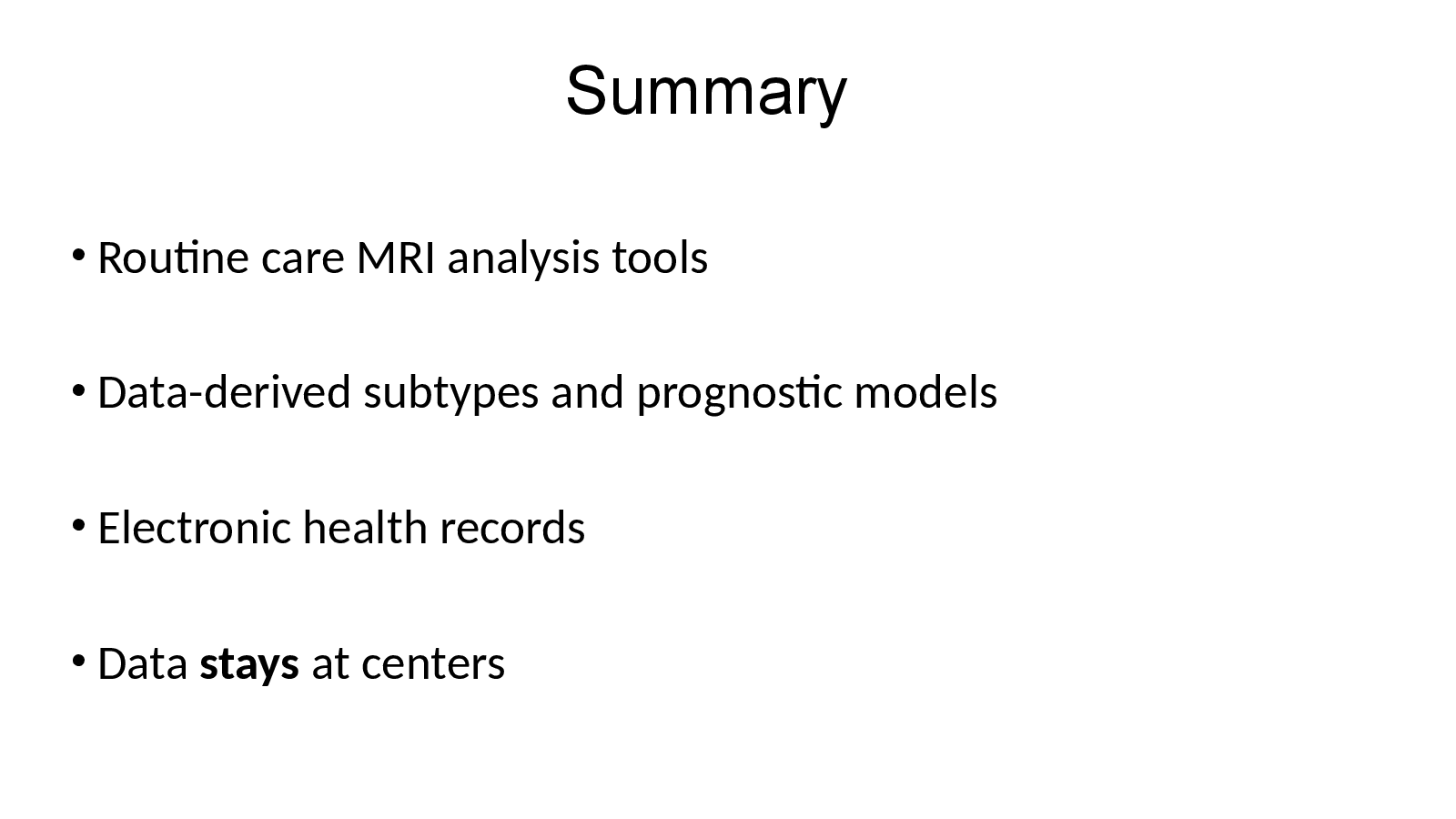
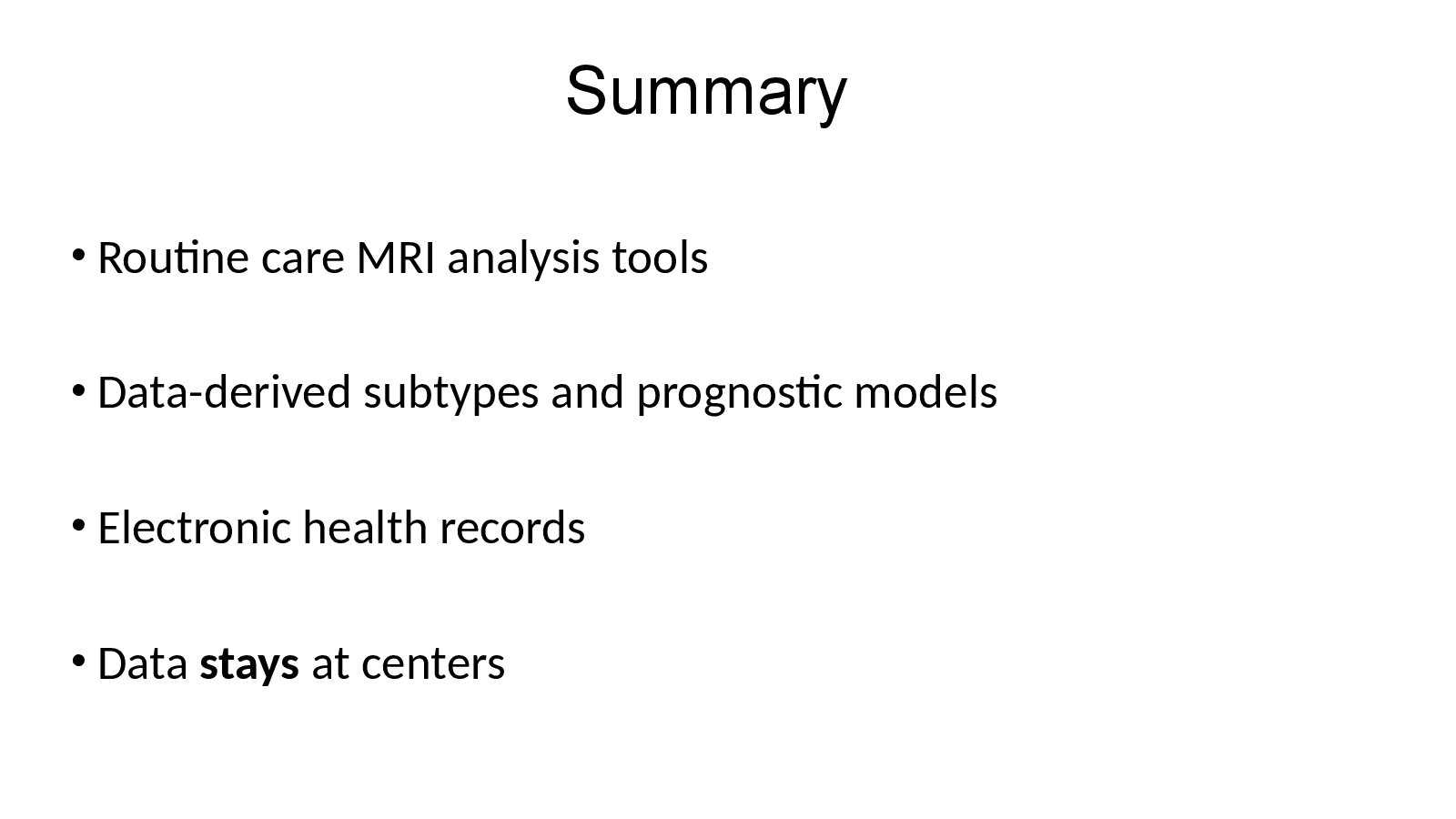
Summary
Slide 12
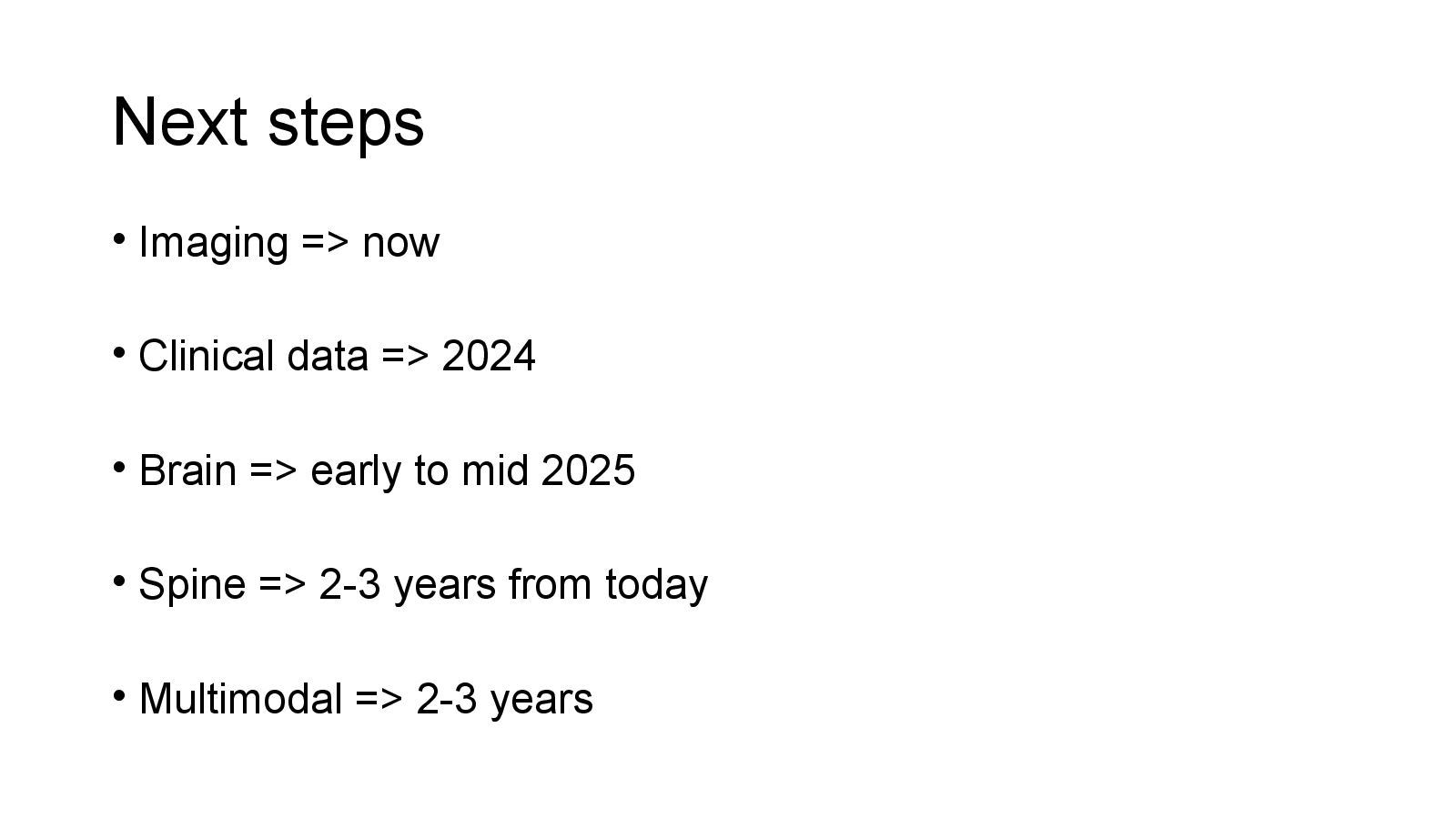
Next steps
Slide 13
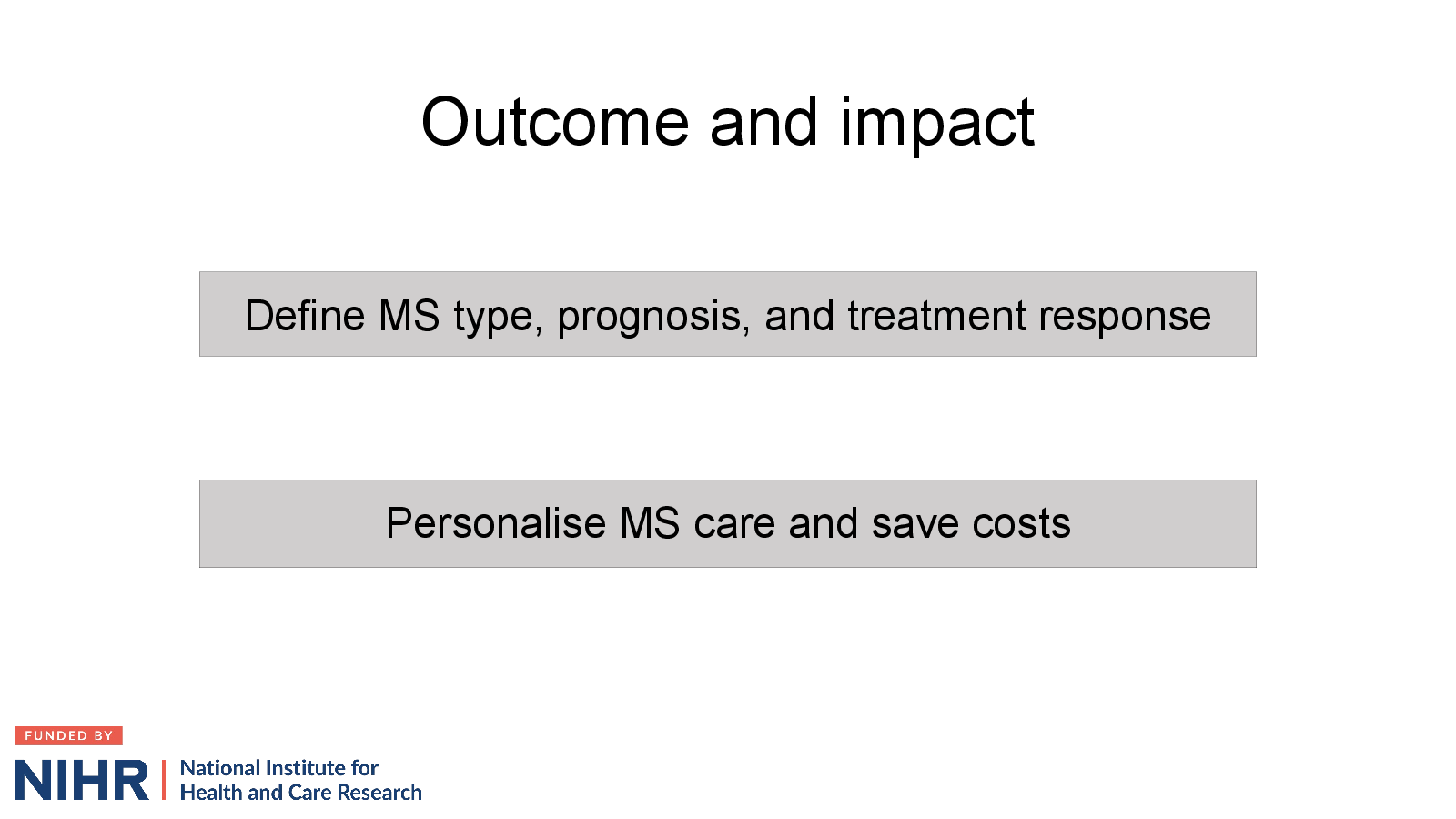
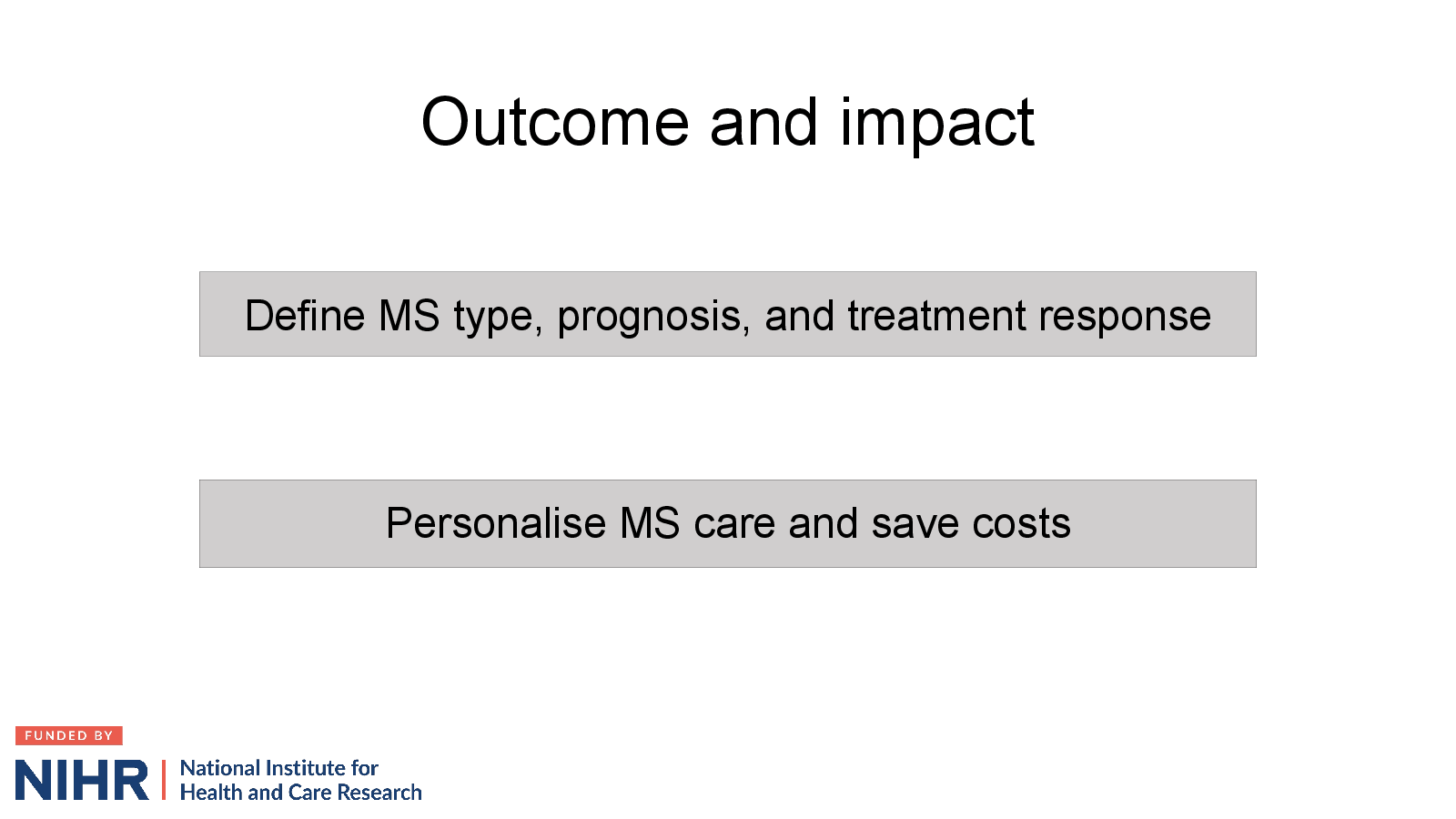
Define MS type, prognosis, and treatment response
Slide 14
Slide 14
Slide 15
Slide 15